
 Free Estimate
 Financing
 Commercial Solutions
 Maintenance
 Bill Pay


CRAWL SPACE DOORS, in BOISE
Crawl space doors deserve a closer look. Learn what Boise homeowners should check around access openings and vents.
You check the front door. What about the one below?
Crawl space doors rarely make the weekend to-do list. They sit low beside the house, behind a planting bed or along a path you barely use.
Then one afternoon, you notice the cover is crooked. There is a gap along one edge. A nearby vent has a damaged screen.
For a Boise homeowner, those small openings can be a useful reason to look more closely at the space beneath the house.
The fit. Does the access cover sit securely?
The condition. Are panels, frames, or screens damaged?
The bigger picture. How is the crawl space designed to work?
The opening is only the beginning of the story.
A loose cover does not tell you everything about the crawl space behind it. It does raise practical questions about access, fit, and surrounding conditions.
Before shopping for crawl space doors, ask why the existing one no longer fits. Is the panel damaged? Is the frame deteriorated? Is soil or landscaping blocking the opening?
Understanding the problem helps you discuss the appropriate work instead of simply covering the opening again.
The door should fit the opening—and its purpose.
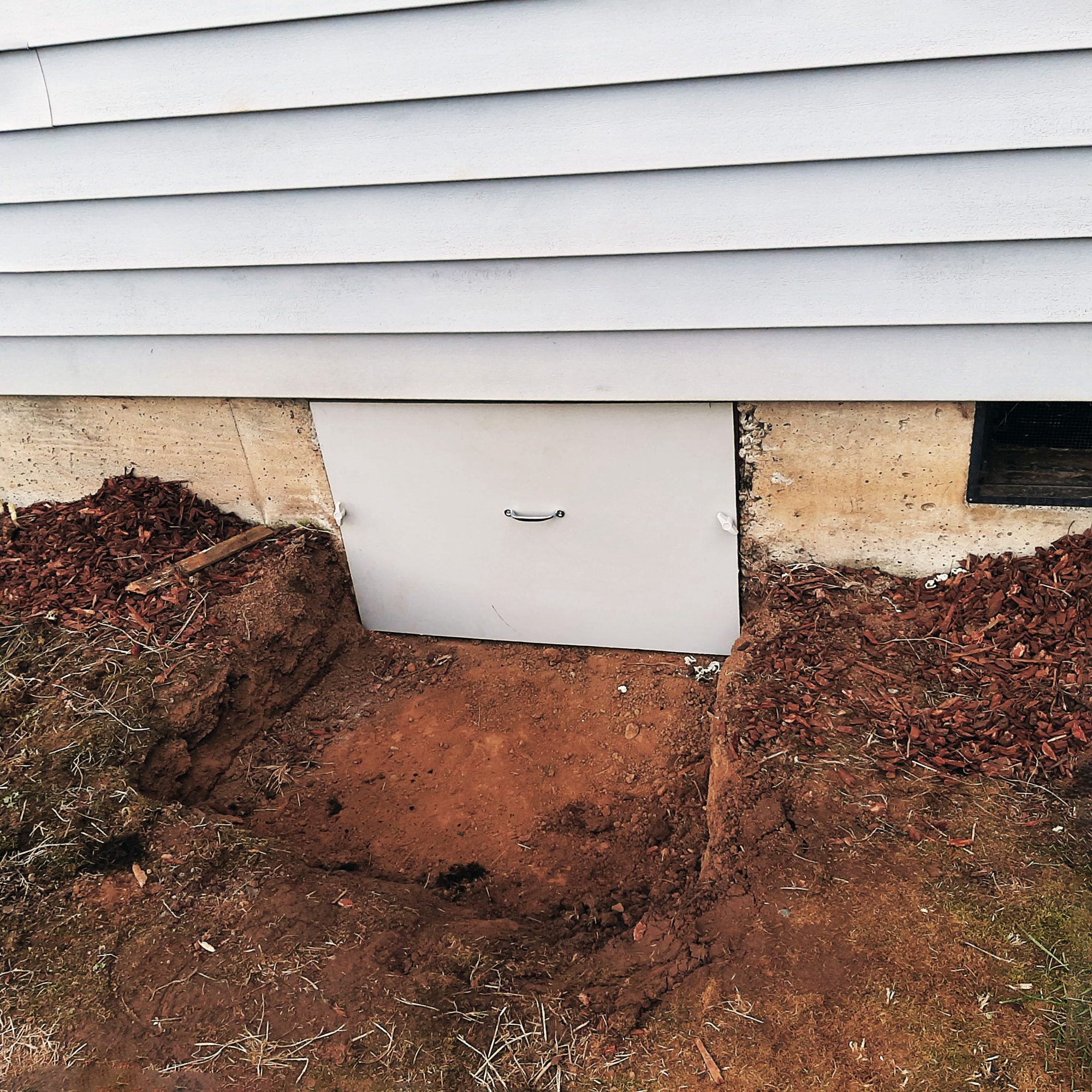
Crawl space doors provide access for inspection and maintenance. Their location, dimensions, frame, and surrounding grade all deserve attention.
If replacement is recommended, ask how the new door will attach, how it will close, and whether the frame needs repair.
A close-fitting door should also match the crawl space’s ventilation or encapsulation design. The right approach depends on the whole system.
Notice water collecting beside the opening? Mention it during the evaluation. A new door is not a substitute for addressing drainage.
A new cover changes the opening. An evaluation explains what the space needs.
The vents need a different conversation.
It is tempting to look at an open foundation vent and decide that covering it must help. The answer depends on how the crawl space is intended to operate.
A vented crawl space and a properly designed unvented crawl space use different approaches. Closing vents alone does not create a complete encapsulation system.
Before adding covers, have a qualified professional assess moisture management, ventilation, ground covering, and any equipment located beneath the house.
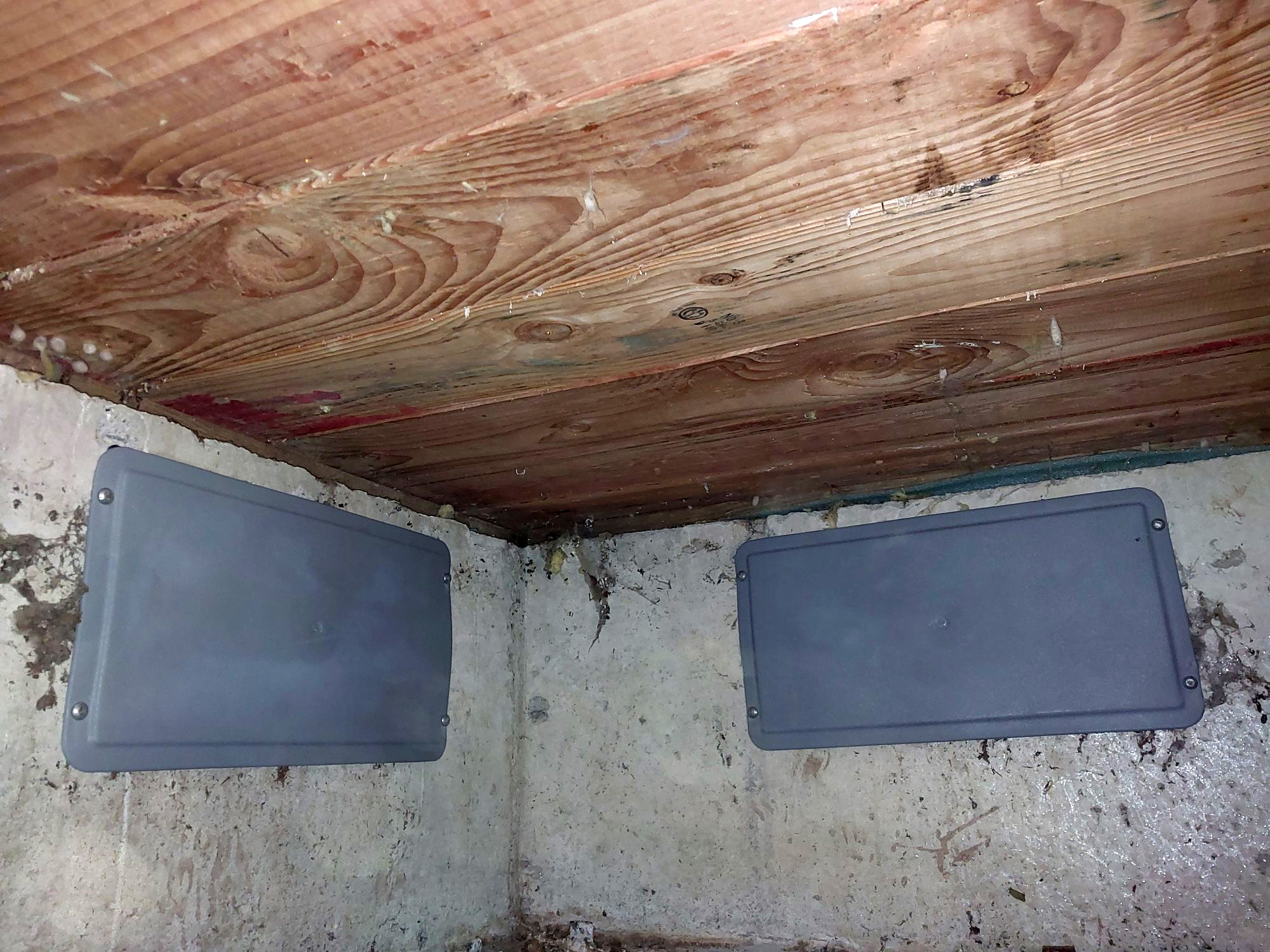
Think beyond the opening you can see.
Standing water, exposed soil, plumbing leaks, and damaged materials can require attention regardless of the condition of the access cover.
Crawl space doors and vent covers are individual components. They do not replace drainage, ground moisture control, or a suitable drying and ventilation approach.
If sealing is proposed, ask how the recommendation accounts for local requirements, radon, and combustion air for any fuel-burning equipment. Those details belong in the assessment.
A closer look starts outside.
You do not need to crawl beneath the house to gather useful observations. From a safe, accessible location, note what you see.
Gaps around the door
Photograph a loose edge, missing panel, or damaged frame without forcing anything open.
Damaged vent screens
Record broken screens, missing pieces, and openings obscured by debris or landscaping.
Water near the opening
Mention puddling, sprinkler spray, or roof runoff beside the access area.
Previous crawl space work
Share records of encapsulation, drainage, insulation, or changes to doors and vents.
Leave confined, flooded, or visibly damaged areas to qualified professionals. Do not block vents before the crawl space design has been assessed.
Ask for a recommendation that connects the pieces.
A useful evaluation explains whether the issue involves the door itself, its frame, surrounding drainage, or conditions inside the crawl space.
When comparing crawl space doors, ask what preparation is included and how access for future service will be maintained.
TerraFirma’s crawl space repair and encapsulation solutions provide broader context for the work that may be recommended.
For your Boise home, the goal is an explanation of what needs attention—not simply a different cover.
Take a second look at the opening you walk past.
Have questions about crawl space doors or vents at your Boise home? Contact TerraFirma for a free evaluation and discuss the conditions around and beneath your house.
Schedule Your Free Crawl Space EvaluationTerraFirma Homeowner Resources
See crawl space
encapsulation in action.
Wondering what crawl space encapsulation looks like? This TerraFirma time-lapse takes you beneath the home to see the installation process unfold.
Watch as the crew installs a white vapor barrier and rigid foam insulation, transforming an exposed crawl space into a cleaner, sealed area designed to help manage ground moisture.
Every crawl space starts with different conditions. An inspection helps determine the moisture control, drainage, and insulation measures your home needs.


