
 Free Estimate
 Financing
 Commercial Solutions
 Maintenance
 Bill Pay

Eugene, Oregon, sits in one of the most seismically active regions in the Pacific Northwest. Though the city is known for its natural beauty and vibrant community, it also faces a real risk of earthquake activity that could affect thousands of homes and businesses.
Protecting your home from earthquakes isn’t just about maintaining property value; it’s about keeping your loved ones safe. Earthquake retrofitting is one of the most effective ways to reinforce your home’s structure and reduce potential damage. This guide explains what retrofitting is, why it’s essential for Eugene homeowners, and how to get started.
Understanding Eugene’s Seismic Risk
The Cascadia Subduction Zone runs for 700 miles from Northern Vancouver Island to Cape Mendocino, California. This fault line is one of North America’s most active seismic zones that passes through Eugene, and Springfield, Oregon. The tectonic plates beneath this area are constantly shifting, leading to an increased risk of significant quakes.
The city’s underlying geology, composed of clay, sand, and silt, can amplify seismic waves. Combined with a large number of older homes built before modern building codes, this makes many Eugene properties especially vulnerable to earthquake damage.
Older construction methods often lacked the reinforcements needed to withstand lateral motion. Without proper anchoring and structural bracing, these homes face higher risks of cracked foundations, wall collapse, and significant safety hazards during a quake.
What Is Earthquake Retrofitting?
Earthquake retrofitting is the process of strengthening an existing structure to make it more resistant to seismic activity. This process involves various techniques and methods to reinforce a building’s foundation, walls, and overall framework.
The goal is to minimize damage and maintain structural integrity during an earthquake. Retrofitting can include adding metal braces, bolts, and shear walls to enhance stability.
The Signs of Earthquake Vulnerabilities
Lack of Sheathing
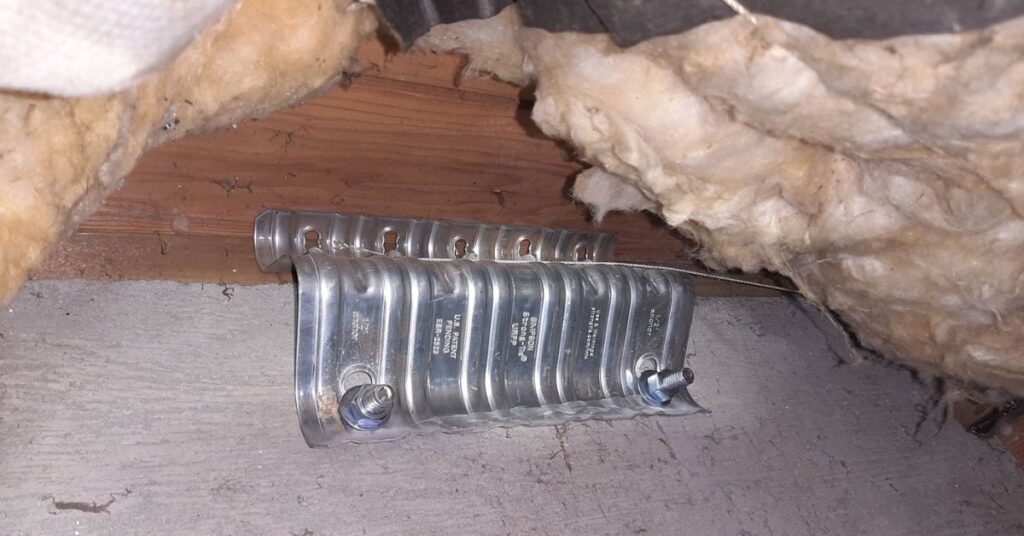
The absence of adequate sheathing is one common sign of residential earthquake vulnerability. Sheathing refers to the panels or boards used to cover walls, floors, and roofs. These panels distribute seismic forces and prevent the structure from collapsing.
Inadequate sheathing can result in severe damage during an earthquake, such as cracked walls, collapsed ceilings, and compromised structural integrity. Homes lacking proper sheathing are prone to weakened walls that result in costly repairs and unsafe living conditions following seismic events.
Unsecured Appliances
Water heaters, refrigerators, and tall furniture can become serious hazards during an earthquake. Anchoring these items prevents tipping, flooding, and injury. Securing gas lines and meters is equally important to reduce the risk of leaks or fires.
Foundation Complications
Cracked, uneven, or settling foundations are warning signs. Any weakness here compromises the entire structure’s integrity. A professional inspection can reveal whether your foundation needs stabilization before retrofitting begins.
Sliding Off the Foundation
Without proper anchorage, seismic shaking can literally cause a house to slide off its foundation. Installing anchor bolts or plates during retrofitting keeps your home firmly attached and stable during a quake.
Unreinforced Brick or Concrete
Unreinforced brick or concrete walls are brittle and prone to cracking. Retrofitting methods like adding steel braces or fiber-reinforced polymers can provide the flexibility these materials need to withstand seismic stress.
What Is the Retrofitting Process Like?
Assessment and Planning
The process starts with a detailed inspection by a structural engineer or foundation specialist. They’ll evaluate your home’s foundation, framing, and weak points, then create a retrofit plan tailored to your property’s needs.
Foundation Bolting
Technicians drill and install anchor bolts to securely connect the home’s framing to its concrete foundation. This prevents lateral movement and helps the structure stay grounded during seismic shaking.
Adding Shear Walls
Strategically placed shear walls made of plywood or engineered wood panels increase lateral stability. These reinforcements help distribute forces and reduce the risk of wall collapse.
Bracing and Reinforcing
Steel braces, straps, and connectors are installed at critical junctions such as walls, floors, and roofs. These additions strengthen the home’s overall framework and ensure consistent load distribution.
Securing Appliances
Technicians will anchor heavy appliances, secure water heaters, and add protective measures for gas lines and meters to prevent leaks or fire hazards after an earthquake.
Repairing the Foundation
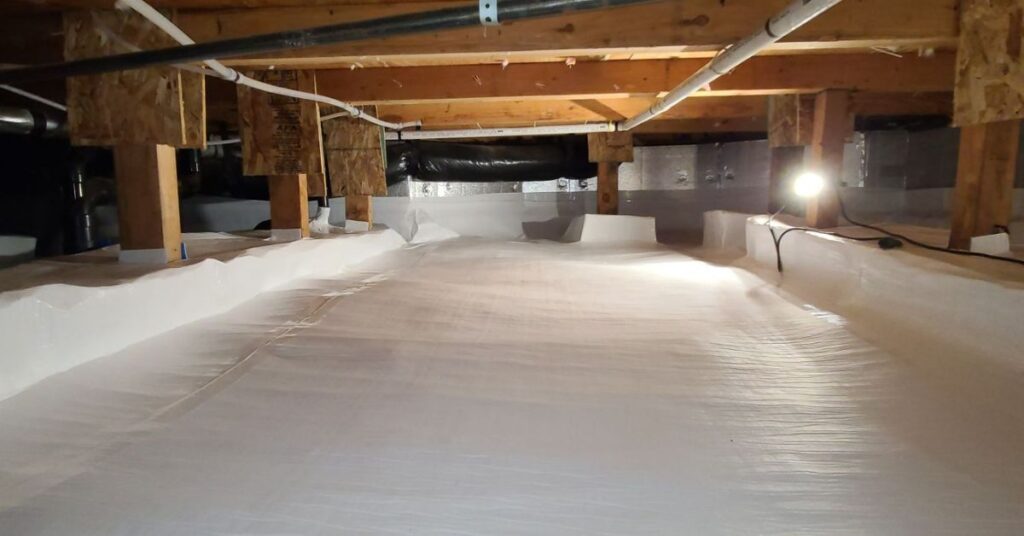
During retrofitting, technicians may notice substantial foundation damage that needs immediate repair. Adding crawl space support posts and foundation piers, and stabilizing the walls are some of the ways TerraFirma can reinforce your foundation.
Choosing a Reliable Retrofitting Contractor in Eugene
The most critical step in the process is selecting a qualified and experienced contractor. Look for professionals who:
- Have extensive experience with local soil conditions and seismic codes.
- Provide detailed estimates and timelines.
- Offer examples of completed retrofit projects.
- Maintain strong client reviews and clear communication.
TerraFirma Foundation Systems proudly serves Eugene and the surrounding communities, offering comprehensive earthquake retrofitting, foundation repair, and home stabilization services. Our team handles every step, from inspection to reinforcement, with precision and care.
Take Action Before the Next Quake
Eugene’s proximity to the Cascadia Subduction Zone makes earthquake preparedness essential, not optional. We will conduct every step of earthquake retrofitting and offer additional services such as basement waterproofing, crawl space encapsulation, concrete leveling, and foundation stabilization.
Contact TerraFirma Foundation Systems to schedule a free estimation or give us a call with any questions. We’re here to support you through every step of the retrofitting process.



