
 Free Estimate
 Financing
 Commercial Solutions
 Maintenance
 Bill Pay
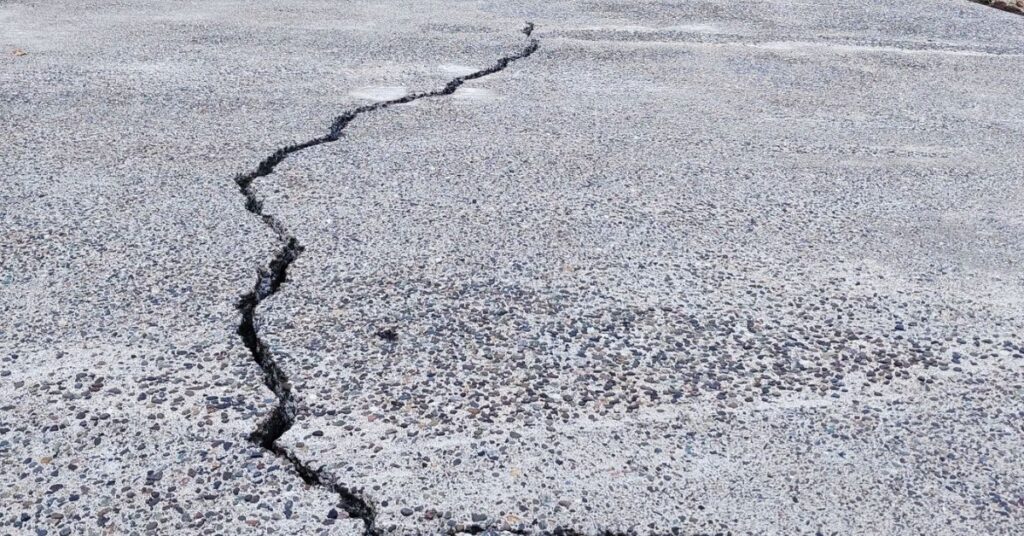
After the Recent Earthquake:
What Coastal Oregon Homeowners Should Check Right Now
2026 Update: As recent seismic activity along the Oregon coast highlights, the effects of earthquakes on older and coastal homes remain a key concern for homeowners. This updated article explains how subtle structural shifts, soil movement, and moisture can increase earthquake vulnerability and shares practical steps for residents in Coos Bay, Florence, and Gold Beach to quickly assess their homes and protect long-term stability.
The recent earthquake off the Oregon coast was an unwelcome reminder for many coastal Oregonians. Although the effects of the earthquake may not be visible, earthquakes near the Cascadia Subduction Zone always have the greatest and most immediate effects on coastal Oregon cities such as Coos Bay, Florence, and Gold Beach.
As a coastal Oregon homeowner, it is an opportune time to check for some of the most common earthquake-related weaknesses in your home.
Here are five things that coastal Oregonians should look for right now.
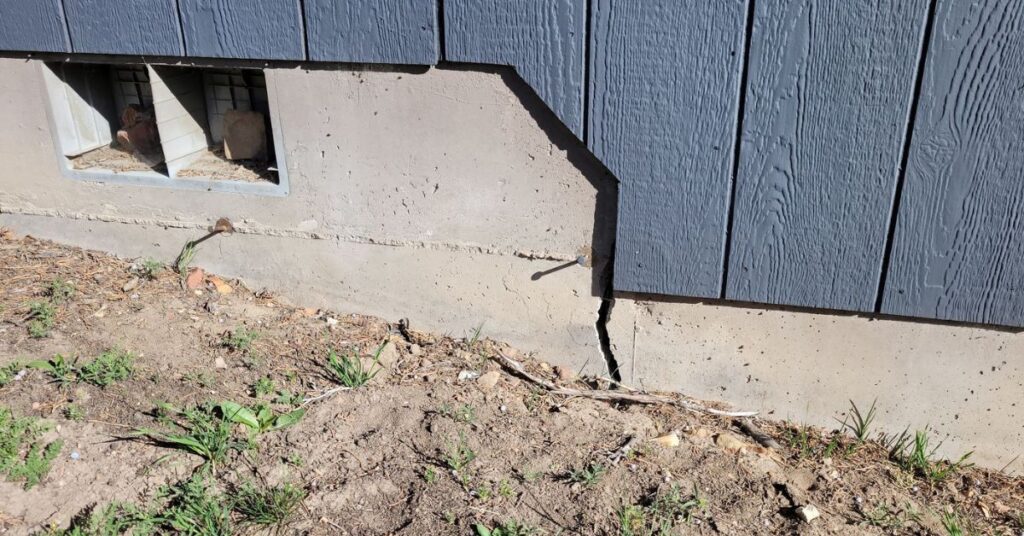
1.- Check Whether Your Home Is Properly Bolted to Its Foundation
Many coastal Oregon homes were built prior to the modern earthquake building codes.
What to look for:
- Rusted or absent hardware
- Crawlspace or basement areas without visible anchor bolts
- Framing resting on concrete
Why it matters:
Unbolted coastal Oregon homes may shift or slide off their foundations during an earthquake.
1.- Check Whether Your Home Is Properly Bolted to Its Foundation
Many coastal Oregon homes were built prior to the modern earthquake building codes.
What to look for:
- Crawlspace or basement areas without visible anchor bolts
- Framing resting on concrete
- Rusted or absent hardware
Why it matters:
Unbolted coastal Oregon homes may shift or slide off their foundations during an earthquake.
2. Look for Soil Movement or Drainage Issues Around the Home
Cities such as Florence and Gold Beach are located on sandy soil that may amplify earthquake effects.
Warning signs include:
- Cracks near the foundation
- Leaning retaining walls around the home
- Standing water around the home area

Why it matters:
Soft or water-saturated soil around the home may lead to home foundation movement during an earthquake.
2. Look for Soil Movement or Drainage Issues Around the Home
Coastal cities like Florence and Gold Beach often sit on sandy or fill soils, which can amplify earthquake motion.
Warning signs include:
- Cracks near the foundation
- Leaning retaining walls around the home
- Standing water around the home area
Why it matters:
Soft or water-saturated soil around the home may lead to home foundation movement during an earthquake.
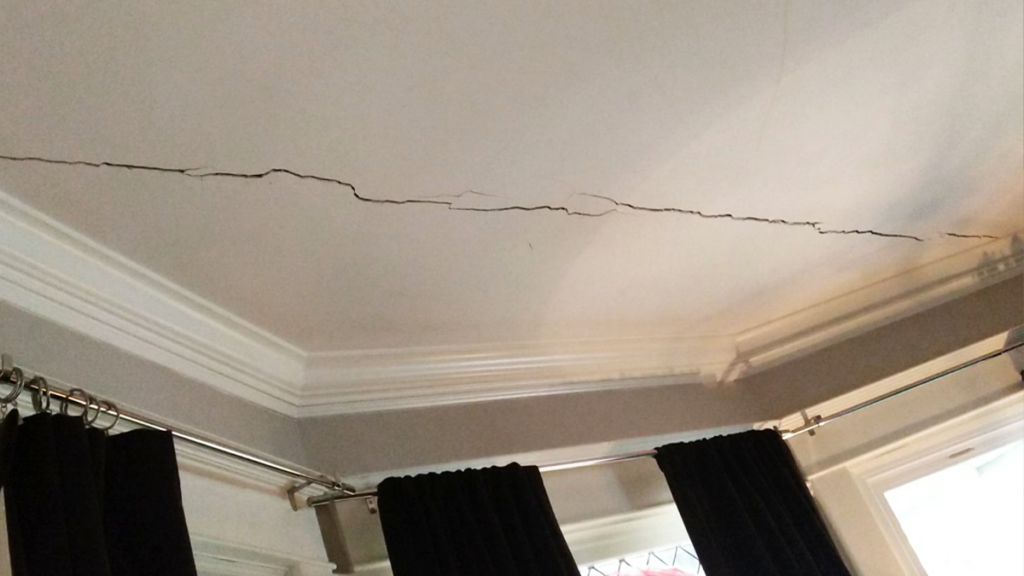
3. Inspect Cracks That May Have Worsened After the Earthquake
Even small changes are important.
Be on the lookout for:
- Stair-step cracks in masonry
- Horizontal cracks in foundation walls
- Cracks that seem wider than before
Why it matters:
These cracks can signal structural stress that earthquakes tend to expose.
3. Inspect Cracks That May Have Worsened After the Earthquake
Even small changes are important.
Be on the lookout for:
- Stair-step cracks in masonry
- Horizontal cracks in foundation walls
- Cracks that seem wider than before
Why it matters:
These are signs of structural stress, which earthquakes bring to the surface.
Expert tip: After coastal earthquakes, structural issues don’t always show up as obvious damage. In places like Coos Bay, Florence, and Gold Beach, homes often experience subtle shifting rather than immediate failure, such as doors sticking, floors feeling slightly uneven, or small cracks widening over time. These changes can indicate stress in the home’s structural system, even if nothing looks visibly broken, which is why post-earthquake changes should never be ignored.
4. Watch for Moisture, Rot, and Salt-Air Damage
Coastal environments are especially prone to moisture damage.
Be on the lookout for:
- Damp crawlspaces
- Wood rot on the framing of your house
- Mold or corrosion on metal connectors
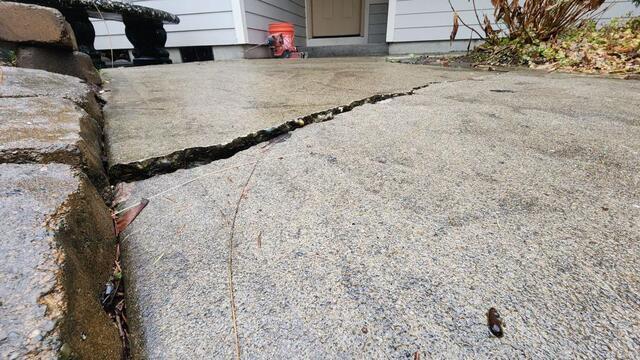
Why it matters:
Moisture and corrosion compromise the connections that keep your house standing, making your home more vulnerable to earthquakes.
4. Watch for Moisture, Rot, and Salt-Air Damage
Coastal environments are especially prone to moisture damage.
Be on the lookout for:
- Damp crawlspaces
- Wood rot on the framing of your house
- Mold or corrosion on metal connectors
Why it matters:
Moisture and corrosion compromise the connections that keep your house standing, making your home more vulnerable to earthquakes.
5. Know When Your Home Was Built and What Codes Applied
Many homes in Coos Bay, Florence, and Gold Beach were built before seismic design became the norm.
Older homes may lack:
- Lack of shear walls
- Lack of proper load paths
- Lack of reinforced foundations

Why it matters:
Homes built before seismic design became the norm may need upgrades to perform well in earthquakes.
5. Know When Your Home Was Built and What Codes Applied
Many homes in Coos Bay, Florence, and Gold Beach were built before seismic design became the norm.
Older homes may lack:
- Lack of shear walls
- Lack of proper load paths
- Lack of reinforced foundations
Why it matters:
Homes built before seismic design became the norm may need upgrades to perform well in earthquakes.
Why Coastal Homeowners Should Act Quickly
Most earthquake damage doesn’t happen suddenly. Damage begins with:
- Small foundation movements
- Cracks that worsen with time
- Hidden damage from moisture
A Practical Next Step for Coastal Oregon Homeowners
If you are a homeowner in Coos Bay, Florence, or Gold Beach, and you are still confused about what to do after the recent earthquake, you may want to consider getting a Safe, Dry, Stable Assessment to help you identify:
- Earthquake-related concerns with your home
- Moisture and foundation concerns with your home
- What you need to do next to keep your home safe, dry, and stable
You may also be interested in:
Schedule your free
Earthquake Evaluation
Schedule your free
Earthquake Evaluation

James Kershaw
James Kershaw is a Senior System Design Specialist and company trainer at TerraFirma, where he evaluates residential and commercial foundation, concrete, and waterproofing systems across Oregon and Washington. Over the course of his career, he has inspected thousands of homes throughout the Pacific Northwest, giving him a broad, real-world understanding of how regional soils, climate, and construction practices impact long-term structural performance.



