
 Free Estimate
 Financing
 Commercial Solutions
 Maintenance
 Bill Pay
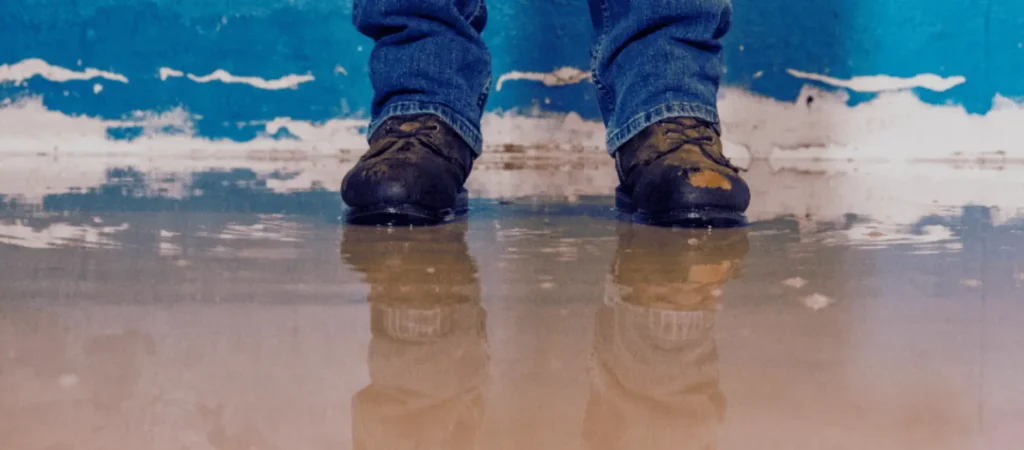
Water intrusion in a basement is one of the most common issues homeowners face, especially in regions with consistent rainfall and high soil moisture. While it may start as a small inconvenience, such as damp walls or a musty smell, it can quickly develop into a serious problem affecting the structure of the home.
In this case, the homeowner noticed early signs of moisture along the basement walls. Over time, those signs progressed into visible water intrusion, creating concerns about mold growth, air quality, and long-term foundation damage.
This project demonstrates how a targeted waterproofing approach can eliminate water intrusion and provide lasting protection.
If you’re noticing signs of moisture in your basement, it’s important to act early. Contact TerraFirma today to schedule an inspection and identify the source of the problem.
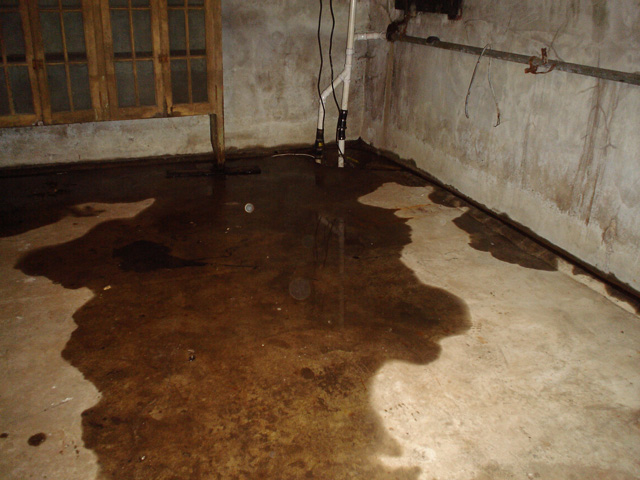
What causes basement water intrusion in Oregon homes?
Basement water intrusion is typically caused by external pressure from water-saturated soil surrounding the foundation.
In areas like Oregon, where rainfall is frequent, soil can remain saturated for extended periods. This creates hydrostatic pressure—a force that pushes water against basement walls and floors.
Over time, this pressure finds weak points in the foundation, allowing water to enter through:
- Small cracks in concrete walls
- Gaps along the floor-wall joint
- Porous building materials
Without a proper drainage system, water has nowhere to go, increasing the likelihood of intrusion.
How do you know if your basement has water intrusion?
Water problems often develop gradually. Identifying early signs can help prevent more extensive damage.
Common indicators include:
- Damp or discolored basement walls
- Musty odors or stale air
- White mineral deposits (efflorescence)
- Peeling paint or wall deterioration
- Visible mold or mildew
A professional evaluation can determine how water is entering your basement and the best way to stop it permanently.
These signs suggest that moisture is entering the basement, even if standing water is not yet present.
Why do basement leaks keep coming back after repairs?
Many homeowners attempt to address water intrusion with temporary solutions such as sealants or coatings. While these may provide short-term relief, they do not address the root cause of the problem.
Water pressure continues to build outside the foundation, eventually forcing its way back in.
Effective basement waterproofing focuses on managing water, not just blocking it.
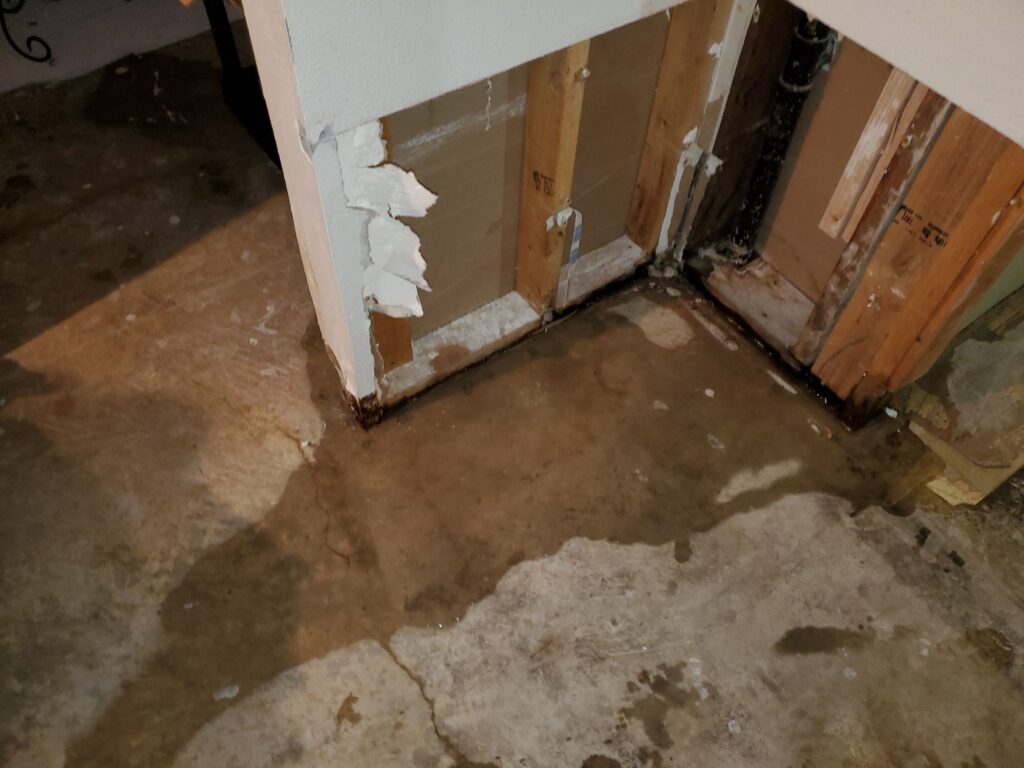
How do interior drainage systems stop basement water intrusion?
A complete waterproofing system begins with controlling how water enters and moves around the foundation.
Interior drainage systems are designed to capture water at the point where it enters the basement. These systems are installed along the perimeter of the floor and collect water before it reaches the living space.
Once captured, the water is directed away from the home through a controlled system.
This approach ensures that water is managed effectively, regardless of external conditions.
Before and after: basement transformation results
The impact of a properly installed waterproofing system is immediate.
Before repair:
- Damp walls and visible moisture
- Musty odors and poor air quality
- Increased risk of mold growth
After repair:
- Dry basement environment
- Controlled moisture levels
- Improved air quality
- Long-term protection against water intrusion
How to choose a basement waterproofing contractor in Oregon
Choosing the right contractor is an important part of solving basement water issues effectively.
Homeowners should look for a company that focuses on long-term solutions rather than temporary fixes. This includes systems that manage water through drainage and pumping, rather than relying solely on sealants.
Experience with local soil conditions and climate is also important. Contractors familiar with Oregon homes are better equipped to identify the root cause of water intrusion and recommend appropriate solutions.
It’s also helpful to compare different approaches and understand what is included in the repair plan. A thorough inspection and clear explanation of the solution are key indicators of a reliable contractor.