 Free Estimate
 Financing
 Commercial Solutions
 Maintenance
 Bill Pay
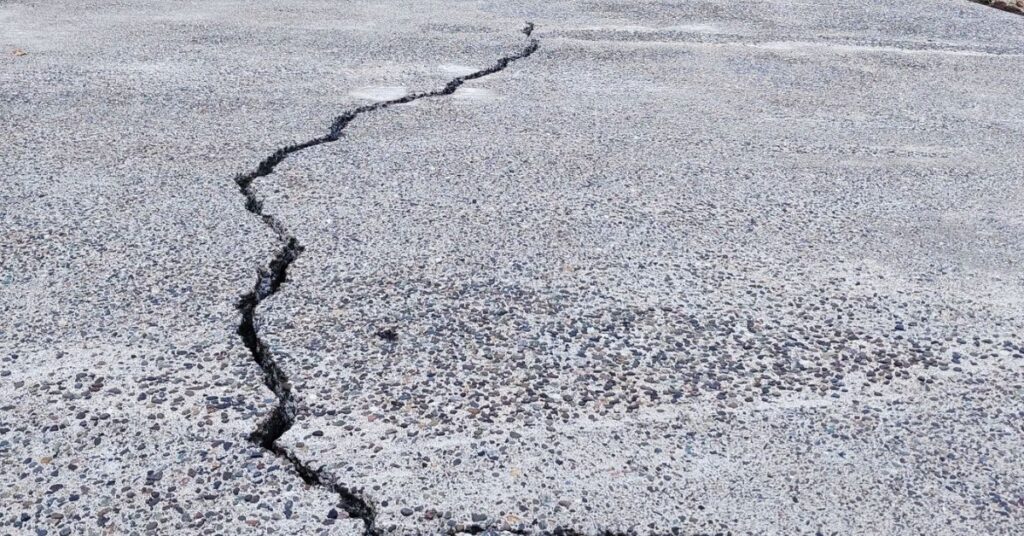
In this 2026 update, TerraFirma’ concrete and foundation specialists explain why concrete slabs, driveways, and foundations commonly crack or shift during winter in the Pacific Northwest. This guide reflects current soil behavior patterns, freeze-thaw conditions, and proven repair methods based on decades of hands-on experience across Oregon and Washington.
Concrete driveways, sidewalks, patios, and basement floors are designed to last for decades. Yet throughout Oregon and Washington, we regularly see concrete crack, lift, and shift after winter. Homeowners often ask us the same questions:
- How do I fix cracks in a concrete driveway?
- What are the best crack fillers for concrete?
- Is epoxy injection a permanent repair for foundation cracks?
The answers depend on why the concrete moved in the first place, and in the Pacific Northwest, winter moisture is usually the root cause.
Why Concrete Shifts and Cracks in Winter
In colder regions, frost heave is the most well-known cause of winter concrete movement. In Oregon and Washington, the problem is slightly different, but no less damaging.
The Real Culprit: Moisture + Temperature Changes
Soils in the Pacific Northwest often hold a significant amount of water. During winter:
- Heavy rainfall saturates the soil
- Temperatures fluctuate above and below freezing
- Clay-rich soils expand when wet and contract when dry
This constant movement beneath the slab places stress on the concrete. Over time, that stress causes:
- Cracks in concrete driveways and sidewalks
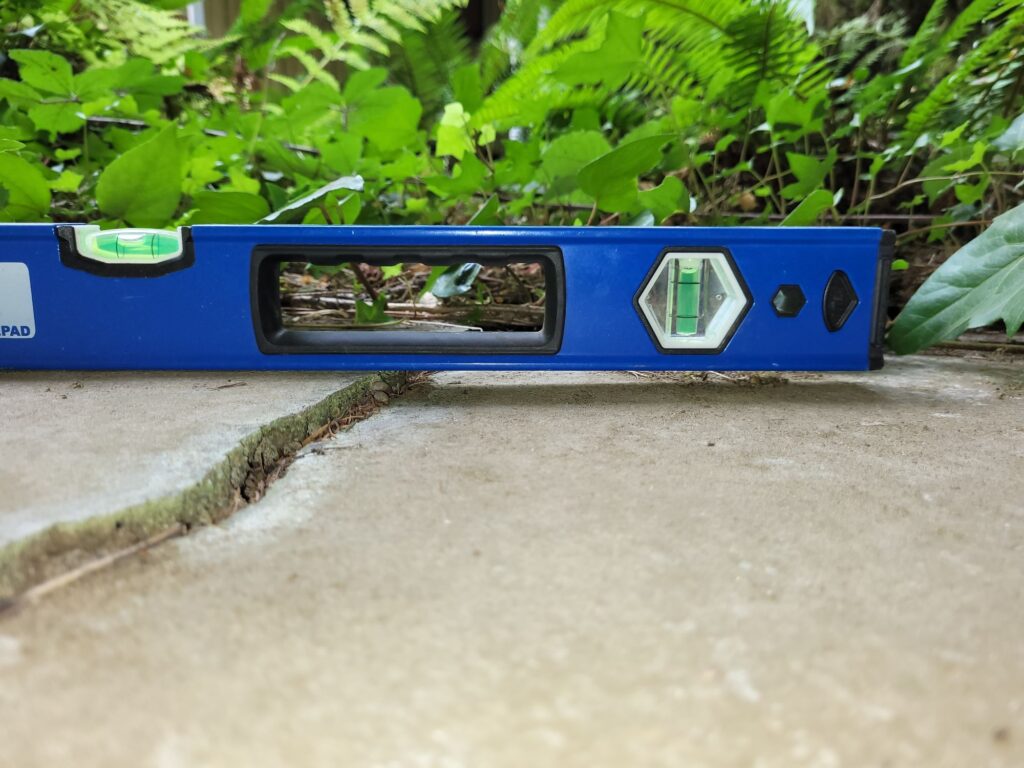
- Uneven or sunken slabs
- Foundation wall cracks
- Basement floor cracking or lifting
Concrete itself is strong under compression but weak under tension. Once the soil moves, concrete has very little flexibility to compensate.
Types of Concrete Cracks (And Why They Matter)
Not all concrete cracks mean the same thing. Identifying the type of crack helps determine the right repair approach.
Hairline and Surface Cracks
- Common in driveways and garage floors
- Often cosmetic
- Caused by shrinkage or minor surface stress
These can often be addressed with high-quality concrete crack fillers or sealants.
Structural Cracks
- Wider than 1/8 inch
- Growing over time
- Often, vertical or stair-step patterns in foundations
These usually indicate soil movement or pressure and require professional repair, not just patching.
Cracks With Water Intrusion
If water is seeping through foundation cracks, sealing the surface alone won’t solve the problem. Water pressure behind the wall must be addressed.
How to Fix Cracks in a Concrete Driveway
For homeowners asking, “How do I fix cracks in a concrete driveway?”, the solution depends on crack size and movement.
Best Crack Fillers for Concrete Driveways
For small, non-moving cracks:
- Polyurethane concrete crack sealants
- Flexible masonry crack fillers
- Elastomeric concrete caulk
These products allow slight movement without reopening the crack.
Important: Rigid fillers or basic cement patching compounds often fail in the PNW because they can’t handle ongoing soil movement.
Concrete Floor Repair
Basement and garage floor cracks are often dismissed as cosmetic, but they can indicate deeper issues.
Concrete floor repair may involve:
- Crack filling for surface damage
- Slab stabilization if sections are sinking
- Moisture management to prevent recurring damage
If floor cracks are widening or offset, it’s often a sign that the slab is no longer properly supported underneath.
Best Products for Concrete Repair and Patching
Homeowners frequently ask, “What are the best products for concrete repair and patching?” The truth is, no single product works for every situation.
Good for Minor Repairs
- Polymer-modified concrete patch
- Flexible crack fillers
- Concrete resurfacing compounds (for cosmetic improvement only)
Not a Permanent Fix for Structural Problems
- Traditional cement-based patches
- DIY epoxy kits without proper crack preparation
- Surface-level repairs without addressing moisture or soil issues
Epoxy Injection: When It Works And When It Doesn’t
What Is Epoxy Injection?
Epoxy injection is a professional repair method used to seal structural foundation cracks by bonding the concrete back together.
Best Epoxy Products for Repairing Concrete Cracks
High-strength, structural epoxy systems (used by professionals) are far more effective than consumer-grade kits.
How Epoxy Injection Works
For those asking, “How do I apply epoxy injection to fix foundation cracks?”:
- The crack is cleaned and prepared
- Injection ports are installed along the crack
- Epoxy is injected under pressure, filling the crack entirely
- The epoxy cures, restoring structural integrity
When Epoxy Is the Right Solution
- Vertical foundation cracks
- Non-moving cracks
- Structural bonding is needed
When Epoxy Is NOT Enough
- Ongoing soil movement
- Horizontal cracks caused by pressure
- Water intrusion from external drainage problems
In these cases, crack repair must be combined with soil stabilization or drainage improvements.
Why Many Concrete Repairs Fail in the Pacific Northwest
The most common reason repairs fail is that the underlying cause isn’t addressed.
At TerraFirma, we frequently see:
- Driveways patched multiple times
- Foundation cracks have been sealed repeatedly
- Concrete that continues to sink or lift year after year
Without correcting:
- Poor drainage
- Weak or saturated soils
- Inadequate subgrade support
Even the best repair products will eventually fail.
Professional Solutions That Last
When concrete doesn’t settle back after winter, or continues cracking, professional intervention is often the most cost-effective option long-term.
Concrete Leveling and Stabilization
Using high-strength polyurethane polymers, slabs can be:
- Lifted
- Re-leveled
- Stabilized against future movement
Foundation Crack Repair
Depending on the crack type:
- Epoxy injection
- Flexible polyurethane sealing
- Structural reinforcement
Drainage Improvements
- Redirecting surface water
- Improving soil moisture control
- Preventing hydrostatic pressure
In the Pacific Northwest, concrete cracking is rarely just about the concrete itself. Almost every long-term repair we perform involves improving what’s happening below the slab or behind the foundation wall. When we stabilize the soil and manage water correctly, concrete repairs last decades, not just seasons.
Get a Permanent Solution
If you’re dealing with cracked concrete, uneven slabs, or foundation concerns in Oregon or Washington, TerraFirma can help. Our team specializes in diagnosing the root cause, not just covering up the damage.
We offer free inspections and long-term solutions designed specifically for the Pacific Northwest’s soil and climate conditions.
Schedule your free inspection today and protect your concrete for the long haul.