
 Free Estimate
 Financing
 Commercial Solutions
 Maintenance
 Bill Pay

TerraFirma
Earthquake Retrofitting in Roseburg
TerraFirma provides earthquake retrofitting in Roseburg, OR for homeowners who want to strengthen vulnerable foundation and framing connections. Our team evaluates accessible structural conditions before recommending retrofit improvements designed around the home’s existing construction.
Strengthen the Connections That Help Hold Your Roseburg Home Together
Earthquake retrofitting in Roseburg focuses on the structural connections that help a home move as one system during seismic activity. Foundation anchoring, cripple walls, crawl-space framing, structural transitions, and previous foundation work can all influence how a retrofit should be approached. TerraFirma evaluates accessible structural conditions before recommending reinforcement based on the home’s existing construction.
Existing Foundation Conditions Can Change the Retrofit Approach
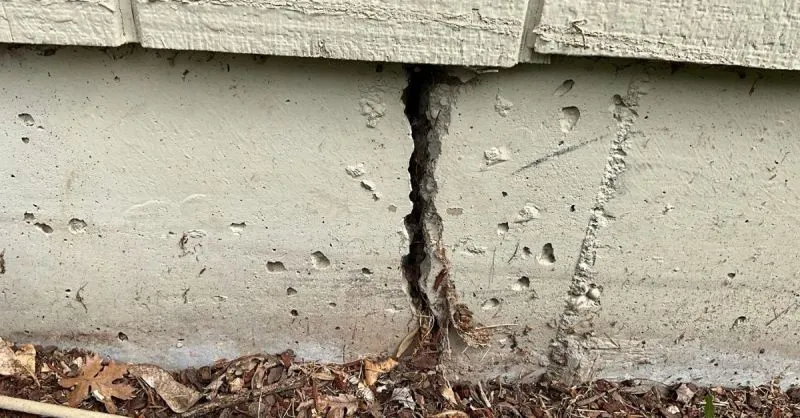
A seismic retrofit should not begin with a standard package. Foundation condition, visible cracking, anchoring, framing, and previous repairs all help determine which structural connections deserve closer attention.
- Foundation type and visible condition
- Existing anchoring between framing and concrete
- Short framed or cripple walls
- Crawl-space structural supports
- Previous foundation or framing repairs
A Retrofit Is About How the Parts of the Home Connect
Earthquake movement can apply lateral forces to several parts of the structure at once. Earthquake retrofitting in Roseburg focuses on strengthening vulnerable transitions so the foundation, framing, and supporting components can work together more effectively.
Foundation Connection
Existing anchoring can influence how securely the wood framing is connected to the concrete foundation.
Cripple Walls
Short framed walls beneath the main floor can require reinforcement where lateral movement could cause deformation.
Framing Transitions
Structural connectors can strengthen important points where framing elements meet or transfer forces.
Existing Repairs
Previous foundation or framing work can change how new seismic improvements should be designed.

Existing Damage Needs Context Before Retrofit Work Begins
Visible foundation cracking does not automatically determine the retrofit. The crack pattern, foundation configuration, framing connection, and previous movement all provide context for the evaluation.
TerraFirma considers those conditions before recommending earthquake retrofitting in Roseburg so reinforcement is based on the actual structure.
Review the Foundation
Check visible condition, configuration, and previous structural changes.
Check the Sill Connection
Evaluate how the wood framing connects back to the concrete.
Review Short Framed Walls
Cripple walls and other short framing conditions may influence reinforcement needs.
Identify Structural Transitions
Connections between framing components can become important parts of the retrofit approach.
You Do Not Need to Guess Which Connections Need Reinforcement
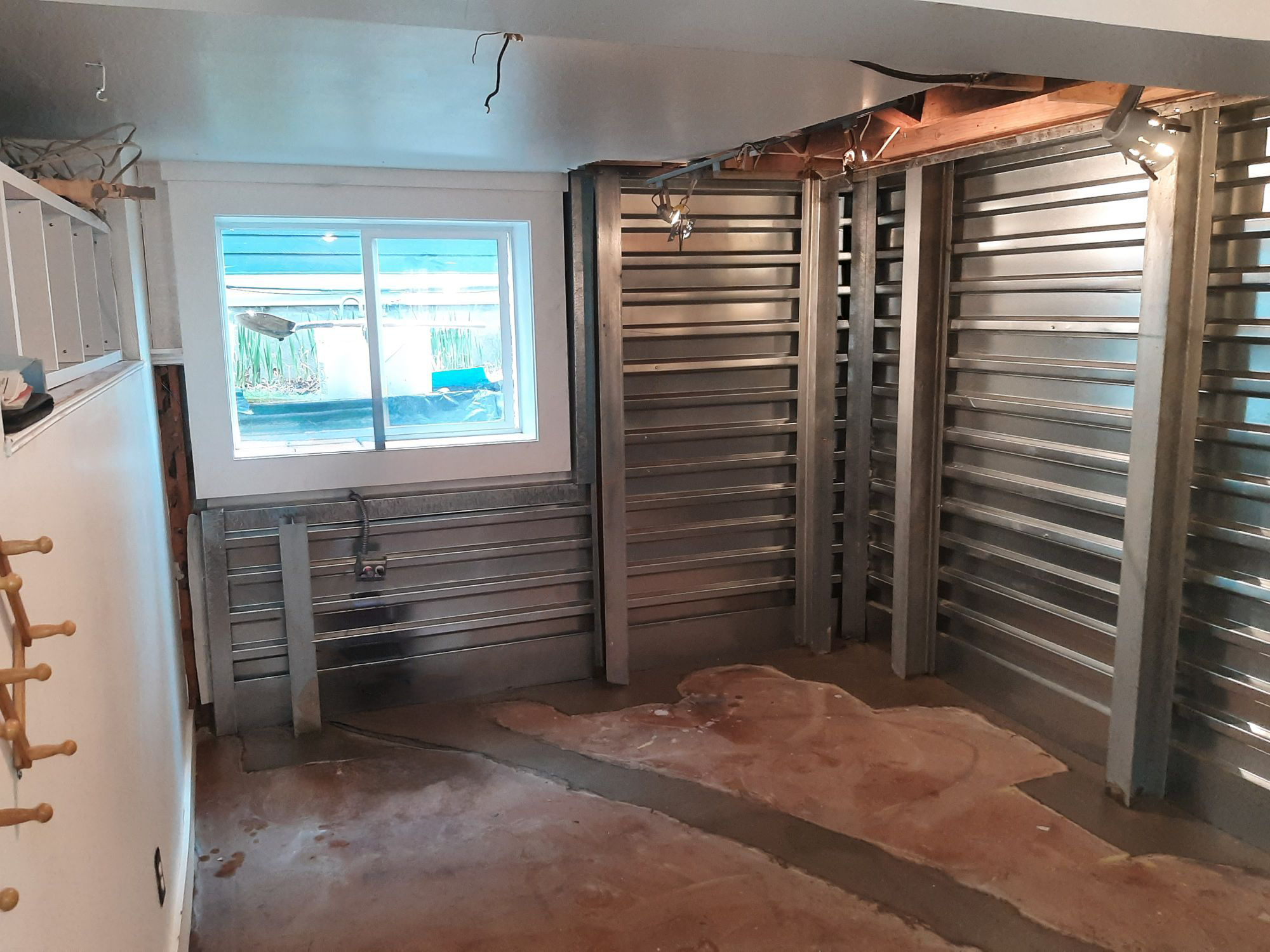
A retrofit evaluation starts with the foundation and framing that already exist. TerraFirma can evaluate accessible structural areas, identify vulnerable connections, and explain which improvements may fit the home.
Schedule a Retrofit EvaluationThe Goal Is Better Structural Continuity
A retrofit is designed around the path forces may take through the foundation and framing.
Start With the Base of the Structure
The foundation condition and anchoring establish the starting point for the structural connection above.
Connect the Framing to the Foundation
Foundation-to-framing anchoring can be an important part of seismic reinforcement.
Strengthen Short Framed Sections
Bracing may help vulnerable short framed walls resist lateral movement.
Reinforce Important Transitions
Structural connectors can improve continuity where framing elements meet and forces transfer through the home.
Look at the Structure Before Choosing the Retrofit
Earthquake retrofitting in Roseburg begins with accessible structural conditions beneath and around the home.
Foundation Type
Configuration and visible condition of the existing foundation.
Existing Anchoring
How framing is currently connected to the concrete foundation.
Cripple Walls
Short framed walls and their existing reinforcement.
Structural Supports
Posts, beams, and framing beneath the main floor.
Crawl-Space Access
Areas available for structural evaluation and potential retrofit work.
Previous Repairs
Existing foundation or structural work that may affect a new retrofit.
Age Is Useful Context, But the Existing Connections Matter More
A home’s age can suggest that older construction details may be present, but it does not determine the retrofit by itself.
Foundation type, framing, crawl-space conditions, anchoring, and previous structural work ultimately determine which improvements should be considered.
Understand Your Home’s ConnectionsFrom Structural Evaluation to Retrofit Installation
The process starts with the home that exists today. TerraFirma evaluates accessible structural conditions first, then recommends reinforcement based on what is found.
Review Accessible Structure
Foundation, crawl-space framing, supports, and connections are evaluated where accessible.
Find Vulnerable Connections
Existing anchoring and structural transitions are considered to identify areas that may benefit from reinforcement.
Select the Retrofit Approach
Anchoring, bracing, and structural connection improvements are chosen according to the home’s construction.
Complete the Reinforcement
The specified retrofit components are installed to strengthen the targeted structural connections.
EARTHQUAKE RETROFITTING HOMEOWNER QUESTIONS
How can I assure my home IS ready for an earthquake?
Scheduling a free evaluation with your local TerraFirma System Design Specialist is the first step toward a permanent fix for your home’s earthquake readiness. Your System Design Specialist will conduct an on-site evaluation of your home and depending on several factors a prescriptive seismic retrofit or a custom-engineered system will be designed to bring your home up to standard. TerraFirma takes care of all necessary engineering, permits, labor, and materials.
My home is older, will a seismic retrofit really protect older homes?
An earthquake retrofit strengthens your home by anchoring it securely to its foundation, reducing the risk of severe damage during seismic activity. In order homes this may include additional bracing and anchoring, and extra support for cripple walls. We’ll also secure your appliances.
Our earthquake retrofit contractors have years of experience retrofitting homes in the Pacific Northwest. Older homes are especially vunerable to ground movement, and stand to benefit from increased protection with earthquake retrofitting services performed by a licensed, experienced contractor.
WILL EARTHQUAKE RETROFITTING REDUCE THE COST OF EARTHQUAKE INSURANCE?
Retrofitting your home can potentially reduce your earthquake insurance premiums and deductibles. TerraFirma has seismically retrofitted thousands of houses across the Pacific Northwest and helped homeowners throughout the region qualify their homes for earthquake insurance.
Don’t forget – seismic activity can start a chain of unexpected events that leave unprepared homes severely damaged.
TerraFirma
Roseburg Office
7700 Old Hwy 99 N
Roseburg, OR 97470
Phone:
866-486-7196
Hours: Monday – Friday, 8am-5pm


