
 Free Estimate
 Financing
 Commercial Solutions
 Maintenance
 Bill Pay

TerraFirma
Concrete Repair in Salem
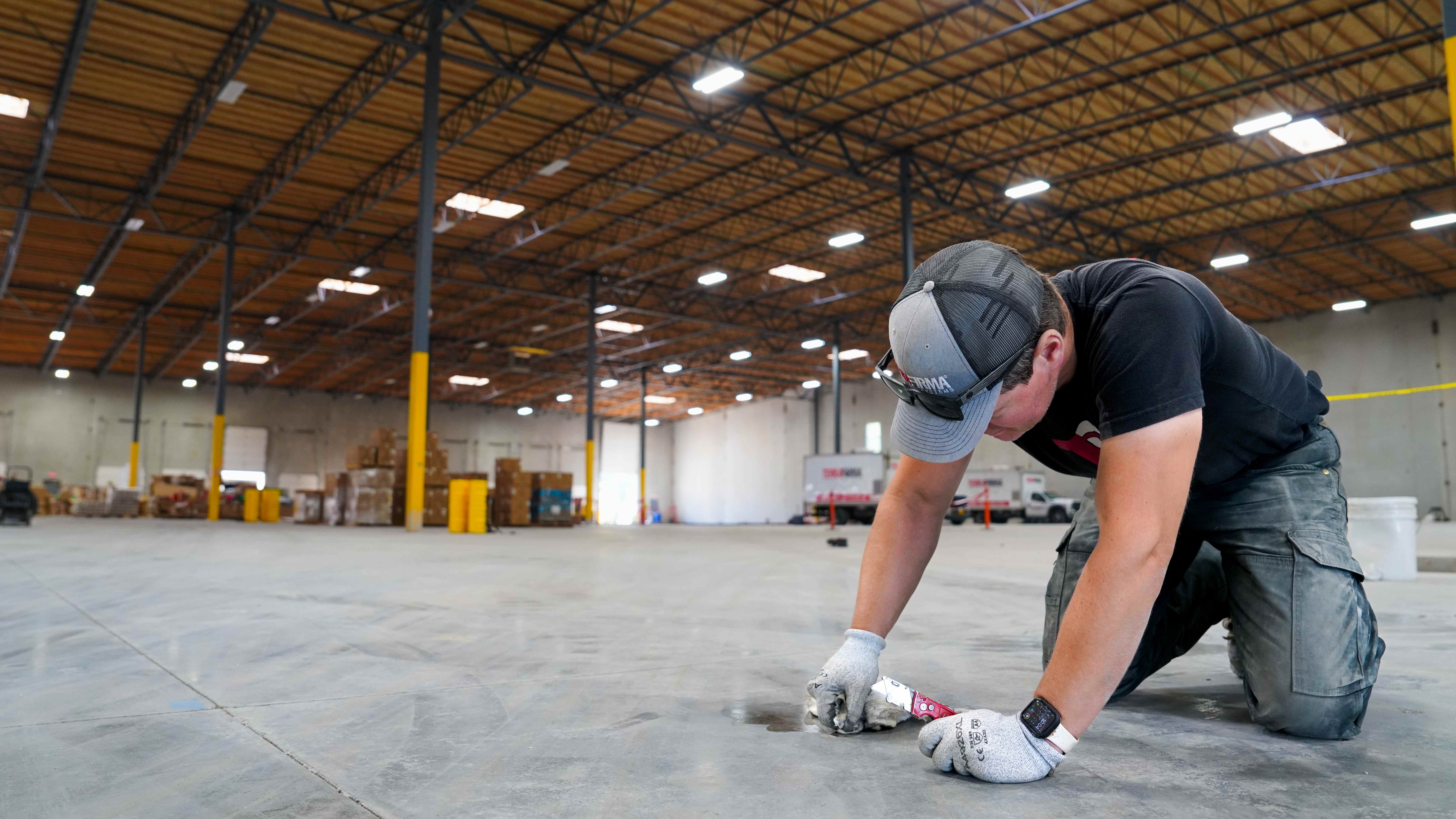
Repair sinking, cracked, and uneven concrete with professional concrete repair in Salem. TerraFirma evaluates the slab, the soil beneath it, drainage conditions, and how the surface is used before recommending the right lifting, leveling, or sealing solution.
Salem Concrete Problems
Restore Safer, More Even Concrete Around Your Home
Concrete repair in Salem can address sinking driveways, uneven sidewalks, cracked patios, garage slabs, and other concrete surfaces before they create larger safety or drainage concerns. Seasonal rain and runoff can change the support conditions beneath a slab, especially where soil has settled, washed away, or was not compacted evenly.
Instead of covering the visible crack, TerraFirma evaluates what is happening below the surface and recommends a repair based on the condition of the concrete and the soil supporting it.
Signs to Watch For
When Concrete Movement Needs Professional Attention
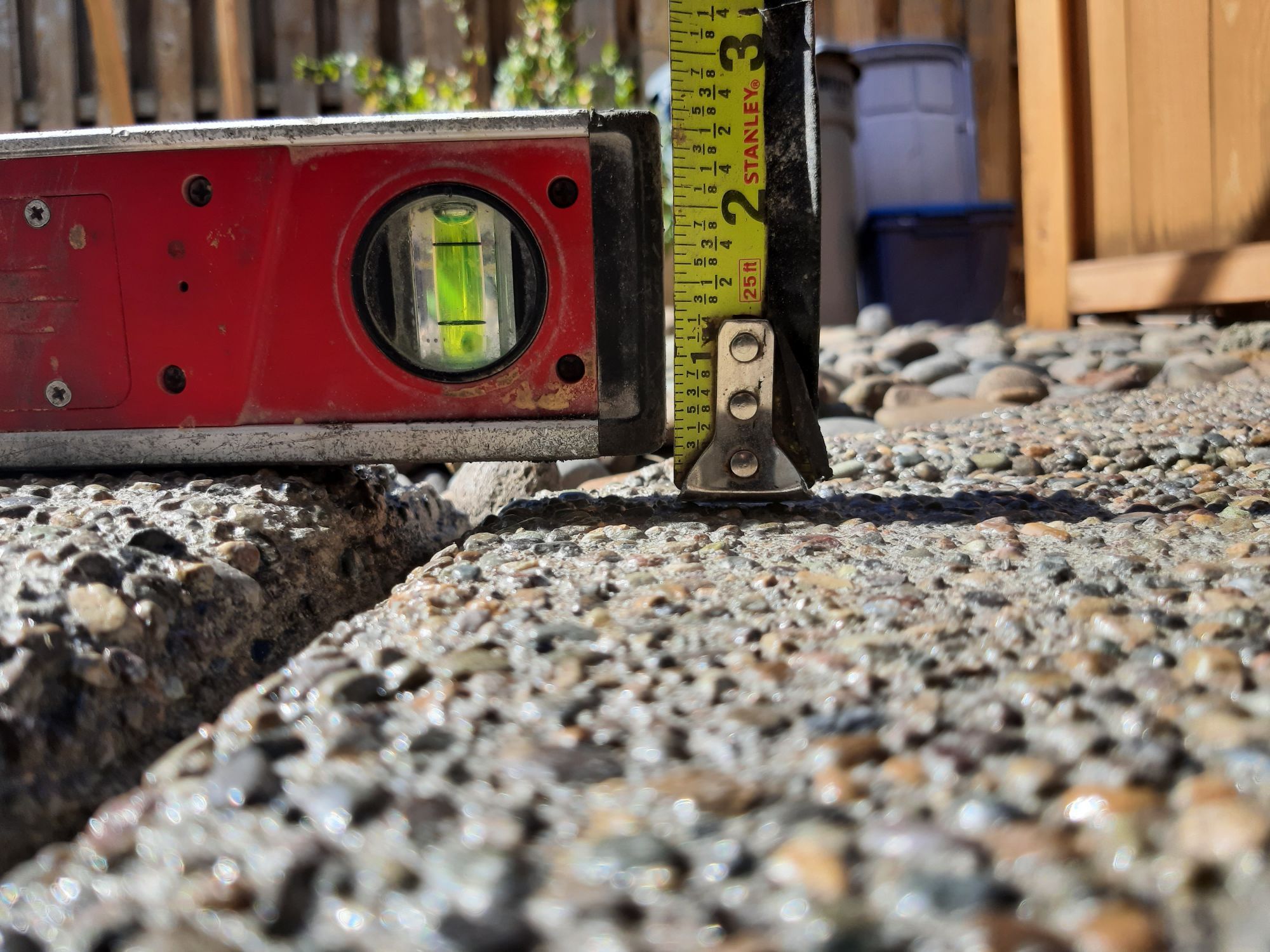
Uneven Slabs
Raised edges and settled sections can create trip hazards and uncomfortable transitions between connected surfaces.
Cracks & Open Joints
Open cracks and joints can allow water to reach the soil beneath the slab and contribute to additional movement.
Pooling Water
Low areas can collect runoff or direct water toward the garage, walkway, landscaping, or foundation.
Why Concrete Settles
Rain, Runoff, and Changing Soil Support Around Salem Homes
Concrete repair in Salem often begins with understanding why the slab moved. Seasonal moisture can soften or displace supporting soil, while poorly compacted fill can compress over time. When support is lost, part of the slab may settle into the empty space below.
- Water movement: runoff can soften or wash soil away.
- Soil settlement: loose fill can compress beneath the slab.
- Moisture changes: wet and dry cycles can alter support conditions.
- Heavy use: repeated loads can worsen movement where support is already weak.
A Complete Concrete Repair Plan
Lift the Slab. Protect the Repair.
TerraFirma combines concrete lifting and joint protection when both are appropriate. This approach addresses support below the slab and helps reduce water entering through cracks and joints afterward.

Step 1: Stabilize & Lift
PolyLevel® Concrete Lifting
Small injection holes are placed in the slab and lightweight polyurethane foam is delivered below the concrete. As the material expands, it fills voids, stabilizes loose areas, and raises the slab in a controlled way.
- Controlled lifting
- Small injection points
- Lightweight material
- Fast cure time
Step 2: Seal & Protect
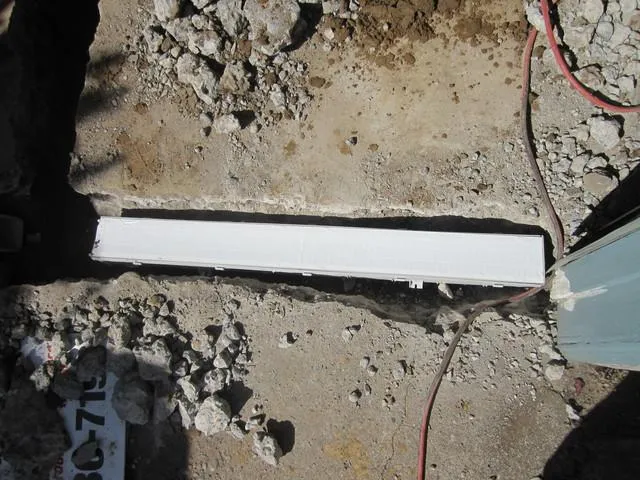
NexusPro® Crack and Joint Sealant
After the concrete is stabilized, open cracks and joints can be sealed to help reduce water intrusion beneath the slab. The flexible sealant is designed for exterior conditions and seasonal movement.
- Flexible joint protection
- Clean finished appearance
- Weather-resistant performance
- Helps reduce water intrusion
Where We Can Help
Concrete Surfaces Around Salem Homes
Concrete repair in Salem may be appropriate for several exterior and interior slab areas, depending on the condition of the concrete and the amount of movement.
Driveways
Address settled sections and uneven transitions near the garage, sidewalk, or street.
Sidewalks & Walkways
Reduce raised edges and uneven walking surfaces that can create trip hazards.
Patios & Pool Decks
Improve uneven sections and help restore more consistent drainage around outdoor living areas.
Garage & Interior Slabs
Evaluate settled slab areas where movement has created cracks, low spots, or rough transitions.
See the Process
How Concrete Lifting Reaches Below the Surface
Watch how expanding polyurethane material reaches beneath settled concrete to fill voids and help raise the slab. Each property is evaluated before the repair plan is selected.
Why TerraFirma?
Concrete Repair Built Around the Cause of the Problem
TerraFirma looks at both the visible concrete damage and the conditions below the slab. That helps determine whether lifting, stabilization, crack sealing, or a combination of methods is appropriate.
For concrete repair in Salem, the goal is to restore safer, more usable surfaces while addressing the support conditions that allowed the concrete to move.
What homeowners can expect
- A detailed evaluation of the affected slab
- Clear explanation of likely settlement causes
- Repair recommendations based on slab condition
- Professional lifting and sealing where appropriate
- Guidance on protecting repaired concrete
What Homeowners Say About TerraFirma


CONCRETE REPAIR
HOMEOWNER QUESTIONS
How does the warranty work?
For concrete slabs raised with TerraFirma’s PolyLevel®, we guarantee that the area where the slab of concrete was lifted will not settle more than ¼ inch for a period of 5 years from the date of installation. If it does, we will provide the labor and materials to re-level the area at no additional charge.
What is better: mudjacking or polyurethane?
A Polyurethane solution is not as messy or disruptive as other foundation-lifting techniques like mudjacking. Our PolyLevel solution is lightweight (without compromising strength), offers faster installation and cure time, making it the best option available.
What kind of foam is used to lift concrete?
High-density polyurethane foam is the expert’s choice for concrete lift. Our PolyLevel solution uses a high-density polyurethane foam to fill voids and stabilize sinking concrete slabs. The expanding properties of the two-part urethane formula allows for the lifting of the slab.
Can you repair cracked concrete after going through concrete leveling?
Yes. In fact, we recommend that our TerraFirma Concrete Leveling customers seal the cracks and joints of their newly lifted concrete with our NexusPro solution, as it will help protect their concrete for many years to come.
My concrete seems to have settled over the winter. What should I do?
Your concrete most likely didn’t settle, but instead the adjacent concrete slabs heaved upwards, due to the frozen dirt below. There is nothing that can be done, but wait for the ground to thaw and the concrete to return to its original position. If the concrete doesn’t return to its normal position in the spring, you may want to have one of our experts take a look to determine if a permanent solution is necessary.


