
 Free Estimate
 Financing
 Commercial Solutions
 Maintenance
 Bill Pay
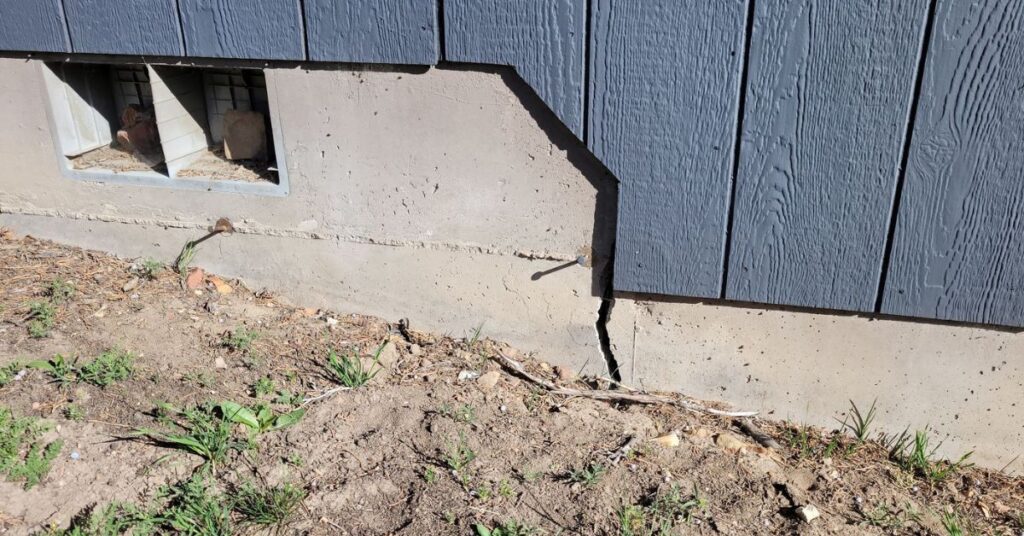
In this 2026 update, TerraFirma Foundation Systems’ foundation specialists share field-tested strategies Oregon and Washington homeowners can use to protect their foundations. This guide reflects current building standards, modern foundation repair methods, and decades of hands-on experience identifying when preventative maintenance is sufficient, and when professional intervention is necessary.
Your home’s foundation does far more than hold up walls and floors, it protects the structural integrity, safety, and long-term value of your property. In the Pacific Northwest, where heavy rainfall, expansive soils, and aging infrastructure are common, foundation problems are especially prevalent.
At TerraFirma Foundation Systems, we’ve helped thousands of homeowners across Oregon and Washington diagnose, repair, and prevent foundation damage. Many of the most expensive foundation repairs we see could have been avoided with early action and the right knowledge.
This guide breaks down 12 practical, expert-backed ways to protect your foundation, explains what common systems like sump pumps actually do, and clarifies when it’s time to call a professional for an estimate.
1. Control Moisture Around Your Foundation
Soil movement is one of the biggest causes of foundation damage. When soil becomes too dry, it shrinks and pulls away from the foundation. When it becomes too wet, it expands and places pressure on foundation walls.
In Oregon and Washington, seasonal swings between dry summers and wet winters make moisture control critical. The goal is consistent soil moisture, not overly dry or saturated conditions.
Expert tip: During extended dry periods, light watering near (but not against) the foundation can help prevent soil shrinkage.
2. Adjust Lawn Irrigation Carefully
Overwatering is just as harmful as drought. Sprinklers that soak soil near the foundation can oversaturate it, leading to settling, cracking, and water intrusion.
- Consider drip irrigation for nearby landscaping
- Aim sprinklers away from the house
- Avoid pooling water near the foundation
3. Ensure Proper Drainage and Gutter Function
Poor drainage is a leading cause of foundation cracks and basement water problems.
Make sure:
- Gutters are clear of debris
- Downspouts discharge water at least 5-10 feet away
- The ground around your home doesn’t trap water
If water consistently pools near your foundation, it’s a warning sign that shouldn’t be ignored.
4. Grade Soil to Slope Away From the Home
The soil around your home should slope away from the foundation by roughly 6 inches over 10 feet. This grading prevents rainwater from flowing toward the foundation walls.
Over time, soil naturally settles. Periodic regrading can make a significant difference in foundation longevity.

5. Understand What a Sump Pump Does (and If You Need One)
A sump pump collects and removes groundwater from beneath your home, preventing it from flooding basements or crawl spaces.
What does a sump pump do?
- Redirects groundwater away from your foundation
- Reduces hydrostatic pressure on foundation walls
- Helps prevent mold, rot, and structural damage
Different types of sump pumps:
- Submersible sump pumps: Installed inside the sump pit, quieter and longer-lasting
- Pedestal sump pumps: Motor sits above the pit, easier to service
- Battery backup sump pumps: Critical during power outages
If you’re unsure who to call for sump pump problems, a foundation and waterproofing specialist, not a general plumber, is usually the best place to start.
6. Plant Trees and Shrubs Strategically
Large tree roots seek moisture and can disrupt soil near your foundation. As roots grow, they can contribute to uneven settling.
- Avoid planting directly against foundation walls
- Plant large trees 15-20 feet away
- Use shallow-rooted plants closer to the home
7. Seal Cracks in Your Foundation Early
Hairline cracks are common, but ignoring them can lead to water intrusion, soil erosion, and structural issues.
Seal cracks in the foundation when:
- Cracks allow moisture through
- Cracks widen over time
- You see staining, dampness, or efflorescence
Not all cracks are cosmetic. A professional evaluation helps determine whether sealing is sufficient or structural repair is needed.
8. Watch for Plumbing and Septic Issues
Hidden plumbing leaks can oversaturate soil beneath your foundation. In rural or semi-rural areas, septic system problems can have similar effects.
If you notice:
- Unexplained wet soil
- Persistent odors
- Slow drains or backups
You may need both a septic tank plumbing professional and a foundation specialist to identify the root cause.
9. Avoid Heavy Loads Near the Foundation
Excessive weight near foundation walls, such as parked vehicles, large planters, or storage sheds, can create uneven pressure and contribute to cracking or settlement.
Keep heavy loads distributed evenly and positioned away from the home when possible.

10. Insulate and Protect Against Freeze-Thaw Cycles
While the Pacific Northwest has relatively mild winters, freeze-thaw cycles still occur and can impact shallow foundations.
Foundation insulation helps:
- Improve energy efficiency
- Reduce soil temperature swings
- Protect against frost-related movement
11. Know When to Get a Foundation Repair Estimate
If you’re seeing:
- Cracks that are widening
- Doors or windows sticking
- Sloping floors
- Repeated water intrusion
It’s time to request an estimate for foundation repair. A professional assessment identifies whether the issue is drainage-related, structural, or both, and what level of repair is truly needed.
At TerraFirma, inspections focus on root causes, not just surface symptoms.
12. Schedule Professional Inspections
Even well-maintained homes benefit from periodic foundation inspections, especially after:
- Major storms
- Earthquakes
- Plumbing failures
- Long periods of heavy rain
Professional inspections catch small problems before they become costly repairs.
What If Foundation Damage Has Already Started?
If you suspect foundation problems, acting quickly can save thousands of dollars. Early intervention often allows for simpler repairs like drainage improvements, crack sealing, or stabilization, rather than major reconstruction.
A qualified foundation repair specialist can determine:
- Whether damage is active or historical
- The best long-term solution
- How to prevent future issues
Ready to Get Answers About Your Foundation?
If you’re noticing widening cracks, sticking doors, sloping floors, or recurring water problems, don’t wait for the damage to get worse.
Schedule a professional foundation inspection with TerraFirma Foundation Systems. Our experienced specialists will evaluate your home, identify the root cause of the issue, and provide a clear, honest estimate for foundation repair, with no guesswork and no pressure.
Serving homeowners throughout Oregon and Washington with proven solutions for foundations, drainage, and sump pump systems.