
 Free Estimate
 Financing
 Commercial Solutions
 Maintenance
 Bill Pay

Crawl Space Transformation • Aloha, Oregon
Crawl Space Transformation in Aloha, OR
How moisture control and crawl space encapsulation can transform a damp, exposed area beneath the home into a cleaner, more controlled environment.
Watch the transformation
See the Crawl Space Transformation in Aloha
The video shows the crawl space project from exposed conditions through the installation process, giving homeowners a clear look at how the space changes during encapsulation.
Why the crawl space matters
Why Crawl Space Moisture Is a Problem in Oregon Homes
Crawl spaces are easy to overlook, but moisture below the home can affect wood framing, insulation, comfort, odors, and the overall environment above the space. In Oregon’s wet climate, exposed soil and uncontrolled humidity can keep crawl spaces damp for long periods.

Common Moisture Sources
- Exposed soil: ground moisture can migrate into the crawl space.
- Drainage issues: water collecting near the foundation can increase damp conditions.
- Outside air: open crawl space designs allow humid air to enter beneath the home.
- Damaged insulation: persistent moisture can reduce the effectiveness of insulation and contribute to deterioration.
These conditions can combine to make crawl space moisture an ongoing problem rather than a temporary one.
What encapsulation changes
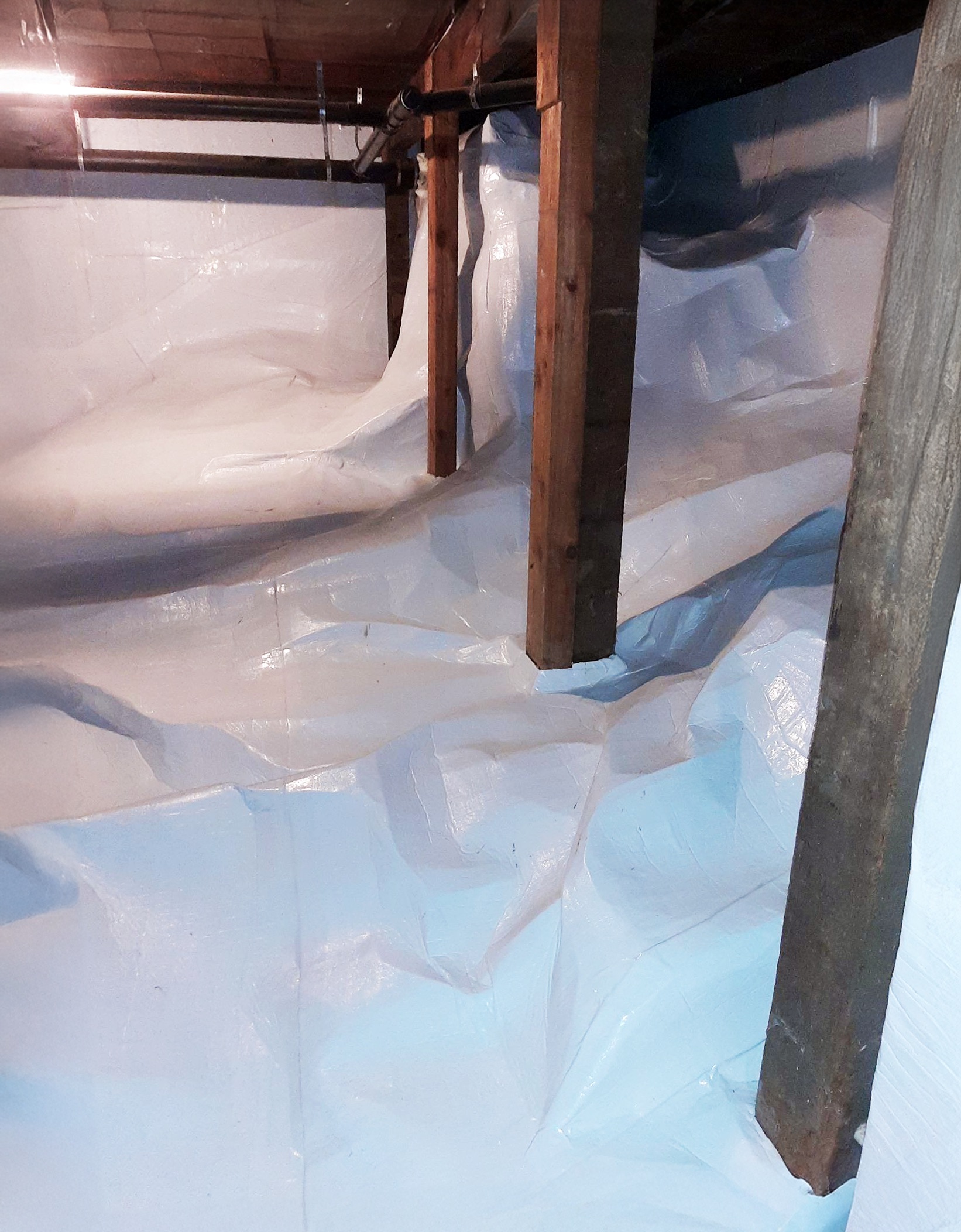
A More Controlled Crawl Space Starts With the Moisture Source
01
Moisture Control
Reduce exposure to ground moisture and uncontrolled humid air beneath the home.
02
Cleaner Space
Cover exposed soil and remove damaged materials when appropriate.
03
Material Protection
Help reduce prolonged damp conditions around wood framing and insulation.
04
Better Control
Create an environment beneath the home that is easier to manage over time.
The encapsulation approach
How Crawl Space Encapsulation Helps Manage Moisture
Crawl space encapsulation is designed to address moisture at its source by separating the space from exposed soil and uncontrolled outside air.
- Remove damaged materials and debris.
- Address water management needs. Drainage improvements may be recommended depending on the property.
- Install a vapor barrier. The floor and walls are covered to reduce ground moisture entering the crawl space.
- Seal and control the environment. The goal is a cleaner, more stable space beneath the home.
Because every crawl space is different, the exact repair plan should be based on an on-site assessment of the property.
Aloha crawl space project
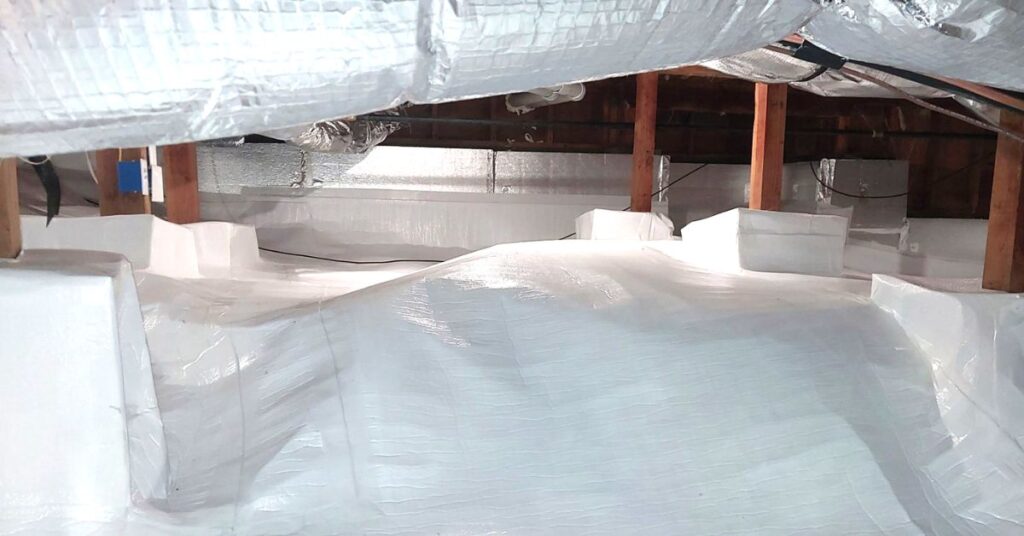
From Exposed and Damp to Cleaner and More Controlled
What Changes After Encapsulation?
Before repair, crawl spaces may feel damp and show signs of moisture-related deterioration. After encapsulation, exposed soil is covered and the area beneath the home becomes cleaner and easier to control.
The most important step is identifying why moisture is present in the first place. A professional assessment can help determine which crawl space repair measures are appropriate for the property.
Crawl Space Repair and Encapsulation in Aloha, OR
Homeowners who notice musty odors, damp crawl space conditions, cold floors, or visible moisture can learn more about TerraFirma’s crawl space repair solutions and request an on-site assessment to identify the source of the problem.
For more information about how water enters these spaces, see 4 Ways Moisture Intrudes Your Crawl Space.
The encapsulation process
How Do You Encapsulate a Crawl Space?
A professional crawl space encapsulation project is more than simply placing a liner over the ground. The space first needs to be evaluated so moisture sources, drainage needs, damaged materials, and air movement can be addressed in the correct order.

1. Clean and prepare the space

2. Ensure proper drainage

3. Seal and insulate

4. Drainage matting and vapor barrier liner

5. Double tape seams

6. Control air humidity
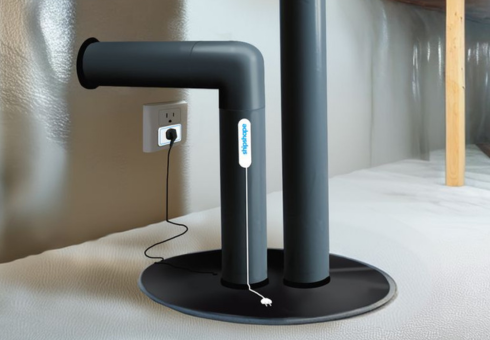
7. Performance Monitoring

8. Warranty

9. Maintenance
The Exact Repair Plan Depends on the Crawl Space
Some homes need drainage improvements before encapsulation, while others may require damaged insulation or debris to be removed first. An on-site assessment helps determine which combination of moisture control, drainage, sealing, and insulation measures is appropriate for the property.
Crawl Space
Homeowner FAQs
Crawl space insulation vs encapsulation – which is better?
Crawl space insulation is typically ill-advised on its own. When insulation gets damp or wet, it stays wet. Dampness and mold that is able to grow in your crawl space will move throughout your home. We recommend a setup that includes a double-sealed vapor barrier as well as a dehumidifier and sufficient drainage system.
What causes a floor joist to sag?
Excess moisture in floor joist, overspanned joist supports, and excess load above joist can all cause joists to sag.
IS DRAINAGE MATTING INSTALLATION TIME-CONSUMING?
Drainage matting should not significantly add to the installation time of your crawl space vapor barrier system. When we send our crew to your home, one member will lay the drainage matting while another installs the liner over the top. A crawl space system usually installs in less than a day.
How to support floor joists in a crawl space?
In many cases, a failing crawl space structure can be resolved by installing crawl space supports. This is a fast job that can provide permanent, warrantied results. Typical installations can be completed in less than two days.
How much does crawl space insulation cost?
Cost varies based on the type of insulation, the size of the space being insulated, and how the home was constructed. However, getting an inspection and estimate to insulate your crawl space is free – click here to request an in-home appointment.



