
 Free Estimate
 Financing
 Commercial Solutions
 Maintenance
 Bill Pay

Crawl spaces are one of the most overlooked parts of a home—but they play a critical role in structural stability, indoor air quality, and long-term durability.
In this crawl space transformation in Aloha, OR, TerraFirma addressed significant moisture buildup, failing insulation, and early structural concerns. What started as a damp, unhealthy space was transformed into a clean, sealed, and controlled environment designed to protect the home for years to come.
This type of transformation is especially important in Oregon, where moisture-related issues are common and often worsen over time if not properly addressed.
If you’re noticing musty odors, cold floors, or signs of moisture, it’s important to act early. Contact TerraFirma today to schedule a crawl space inspection and identify the source of the problem.

Why crawl space moisture is a major issue in Oregon homes
Moisture problems in crawl spaces are often the result of environmental conditions combined with structural factors.
Ground moisture naturally rises into the crawl space, especially when there is no vapor barrier in place. In Oregon, where rainfall is frequent, soil remains damp for extended periods, increasing the amount of moisture entering the space.
Poor drainage around the home can make the problem worse. Water that collects near the foundation can seep into the crawl space, adding to the overall moisture level.
Open crawl space designs also allow outside air to enter freely, bringing additional humidity into the space. This combination of factors creates an environment where moisture becomes a constant issue rather than a temporary one.
How crawl space encapsulation fixes moisture and air quality issues
Crawl space encapsulation is designed to address moisture problems at their source by sealing the space and creating a controlled environment.
The process begins with removing damaged materials, including wet insulation and debris. This step eliminates existing sources of mold and contamination.
Next, drainage improvements may be implemented to manage water around the crawl space. This helps prevent future moisture buildup.
A vapor barrier is then installed across the floor and walls. This barrier blocks ground moisture and prevents it from entering the space.
Finally, the crawl space is sealed to prevent outside air from entering. This creates a stable environment that is less susceptible to humidity and temperature fluctuations.
Benefits of crawl space encapsulation in Oregon homes
Crawl space encapsulation provides long-term protection, especially in moisture-prone regions like Oregon.
Improved indoor air quality
Since a large portion of indoor air originates from the crawl space, reducing moisture and mold significantly improves air quality.
Protection against structural damage
Moisture can weaken wooden beams and supports over time. Keeping the crawl space dry helps preserve structural integrity.
Increased energy efficiency
Sealing and insulating the crawl space reduces energy loss and lowers heating and cooling costs.
Prevention of mold and pests
Encapsulation creates an environment that is less favorable for mold growth and pest activity.
What does crawl space encapsulation look like before and after?
The results of a crawl space encapsulation project are often dramatic.
Before the repair, the crawl space may feel damp and unstable. Homeowners may notice musty odors, uneven temperatures, and signs of mold or moisture damage.
After encapsulation, the space becomes clean, dry, and controlled. Moisture levels are reduced, insulation performs more effectively, and air quality improves throughout the home.
A professional evaluation can help determine how moisture is affecting your crawl space and what solution will provide long-term protection.
This transformation not only improves the crawl space itself but also enhances the overall comfort of the home.

1. Clean and prepare the space

2. Ensure proper drainage

3. Seal and insulate

4. Drainage matting and vapor barrier liner

5. Double tape seams

6. Control air humidity
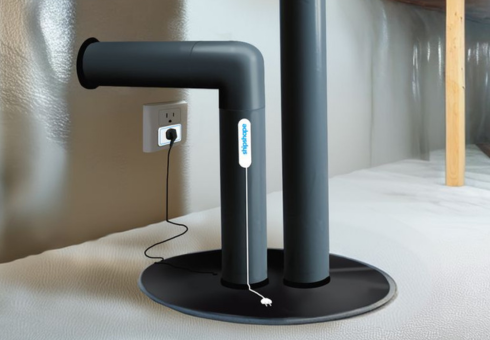
7. Performance Monitoring

8. Warranty

9. Maintenance
Crawl Space
Homeowner FAQs
Crawl space insulation vs encapsulation – which is better?
Crawl space insulation is typically ill-advised on its own. When insulation gets damp or wet, it stays wet. Dampness and mold that is able to grow in your crawl space will move throughout your home. We recommend a setup that includes a double-sealed vapor barrier as well as a dehumidifier and sufficient drainage system.
What causes a floor joist to sag?
Excess moisture in floor joist, overspanned joist supports, and excess load above joist can all cause joists to sag.
IS DRAINAGE MATTING INSTALLATION TIME-CONSUMING?
Drainage matting should not significantly add to the installation time of your crawl space vapor barrier system. When we send our crew to your home, one member will lay the drainage matting while another installs the liner over the top. A crawl space system usually installs in less than a day.
How to support floor joists in a crawl space?
In many cases, a failing crawl space structure can be resolved by installing crawl space supports. This is a fast job that can provide permanent, warrantied results. Typical installations can be completed in less than two days.
How much does crawl space insulation cost?
Cost varies based on the type of insulation, the size of the space being insulated, and how the home was constructed. However, getting an inspection and estimate to insulate your crawl space is free – click here to request an in-home appointment.



