Frost Heave: Causes, Warning Signs, and How to Protect Your Home in Oregon and Washington
In this 2026 update, TerraFirma Foundation Systems’ foundation specialists will clarify common misconceptions Oregon and Washington homeowners have about frost heave. This guide reflects current soil behavior research, modern foundation repair methods, and real-world field experience across the Pacific Northwest.
Cold winters in the Pacific Northwest don’t just affect roads and landscapes; they can also impact the stability of your home. One of the most common cold-weather ground movement issues homeowners face in Oregon and Washington is frost heave. While it often starts subtly, frost heave can lead to cracked concrete, uneven floors, and serious foundation problems if left unaddressed.
At TerraFirma Foundation Systems, our foundation and concrete specialists have spent decades repairing frost-heave-related damage across Oregon and Washington. This guide explains what frost heave is, why it happens, how to identify it early, and what homeowners can do to prevent or repair it, based on real-world field experience, not theory.
What Is Frost Heave?
Frost heave is the upward movement of soil caused by freezing ground conditions. When water in the soil freezes, it expands and forms ice lenses beneath the surface. These ice lenses push soil upward, lifting anything resting on it, such as concrete slabs, foundations, sidewalks, and fence posts.
Frost heave is not caused by cold temperatures alone. It occurs when three conditions exist at the same time:
Frost-susceptible soil
Sufficient moisture
Freezing temperatures
Remove any one of these elements, and frost heave cannot occur.
Frost heave is the upward movement of soil caused by freezing ground conditions. When water in the soil freezes, it expands and forms ice lenses beneath the surface. These ice lenses push soil upward, lifting anything resting on it—such as concrete slabs, foundations, sidewalks, and fence posts.
Frost heave is not caused by cold temperatures alone. It occurs when three conditions exist at the same time:
Frost-susceptible soil
Sufficient moisture
Freezing temperatures
Remove any one of these elements, and frost heave cannot occur.
Why Frost Heave Is Common in Oregon and Washington
Many areas throughout Oregon and Washington have silty or clay-rich soils, which are highly susceptible to frost heave. These soil types retain moisture and allow ice lenses to form during prolonged cold periods.
In addition, the Pacific Northwest often experiences freeze-thaw cycles, where temperatures fluctuate above and below freezing. These cycles worsen frost heave by repeatedly expanding and contracting soil, increasing movement over time.
From our experience at TerraFirma, frost heave most commonly affects:
Driveways and sidewalks
Garage slabs and porches
Foundations with poor drainage
Fence posts and retaining walls
Crawl spaces and slab-on-grade homes
In addition, the Pacific Northwest often experiencesfreeze-thaw cycles, where temperatures fluctuate above and below freezing. These cycles worsen frost heave by repeatedly expanding and contracting soil, increasing movement over time.
From our experience at TerraFirma, frost heave most commonly affects:
Driveways and sidewalks
Garage slabs and porches
Foundations with poor drainage
Fence posts and retaining walls
Crawl spaces and slab-on-grade homes
How Frost Heave Develops Beneath Your Home
When surface temperatures drop below freezing, a frost front moves downward through the soil. As it progresses, moisture from deeper soil layers is drawn upward toward the freezing zone. This moisture freezes and forms ice lenses, which expand and lift the soil above them.
Contrary to popular belief, frost heave is not a one-time event. It happens gradually and gets worse each winter if conditions remain unchanged. Homes with poor drainage or high groundwater levels are especially vulnerable.
What Are the Signs of Frost Heaves and How Are They Diagnosed?
Identifying frost heave early can prevent costly structural repairs. Diagnosis involves recognizing both exterior and interior warning signs and understanding how seasonal ground movement affects concrete and foundations.
At TerraFirma, we often see frost heave misdiagnosed as settlement. The key difference is seasonality; frost heave movement often worsens in winter and stabilizes in warmer months, while settlement is typically progressive year-round.
At TerraFirma, we often see frost heave misdiagnosed as settlement. The key difference is seasonality—frost heave movement often worsens in winter and stabilizes in warmer months, while settlement is typically progressive year-round.
Damage Frost Heave Can Cause If Ignored
If frost heave is left untreated, minor cosmetic issues can turn into serious structural damage.
Foundation Damage
Repeated upward pressure can cause foundation walls or slabs to crack, shift, or become uneven. Over time, this can compromise the structural integrity of the home and allow allowing water intrusion.
Concrete Failure
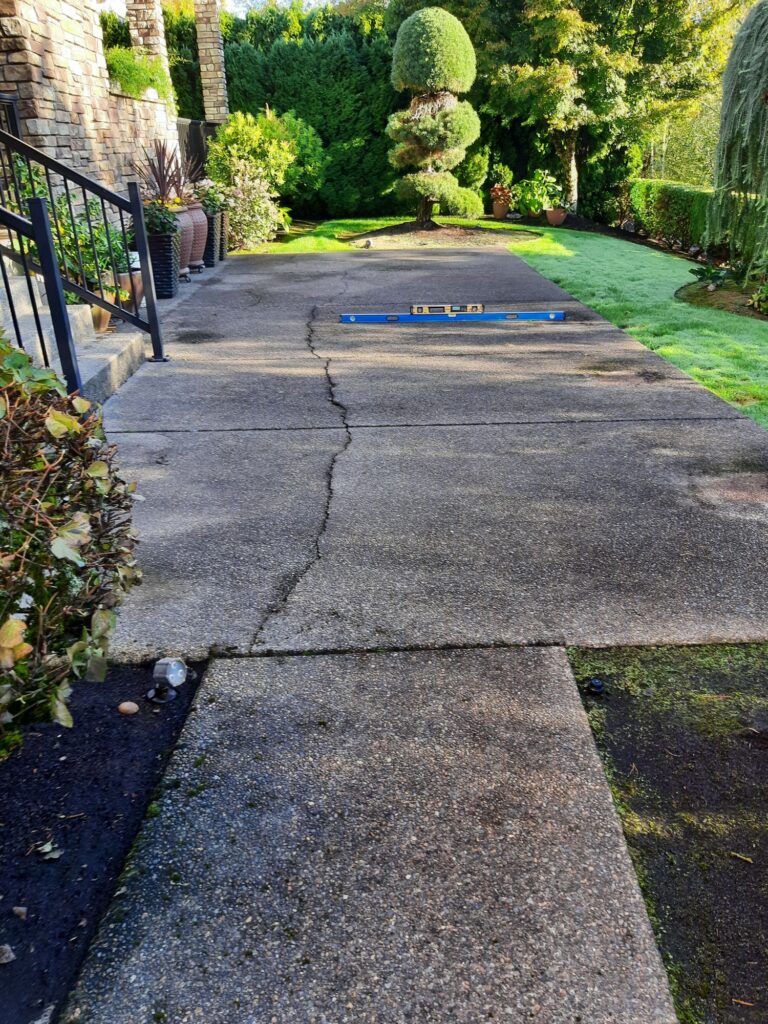
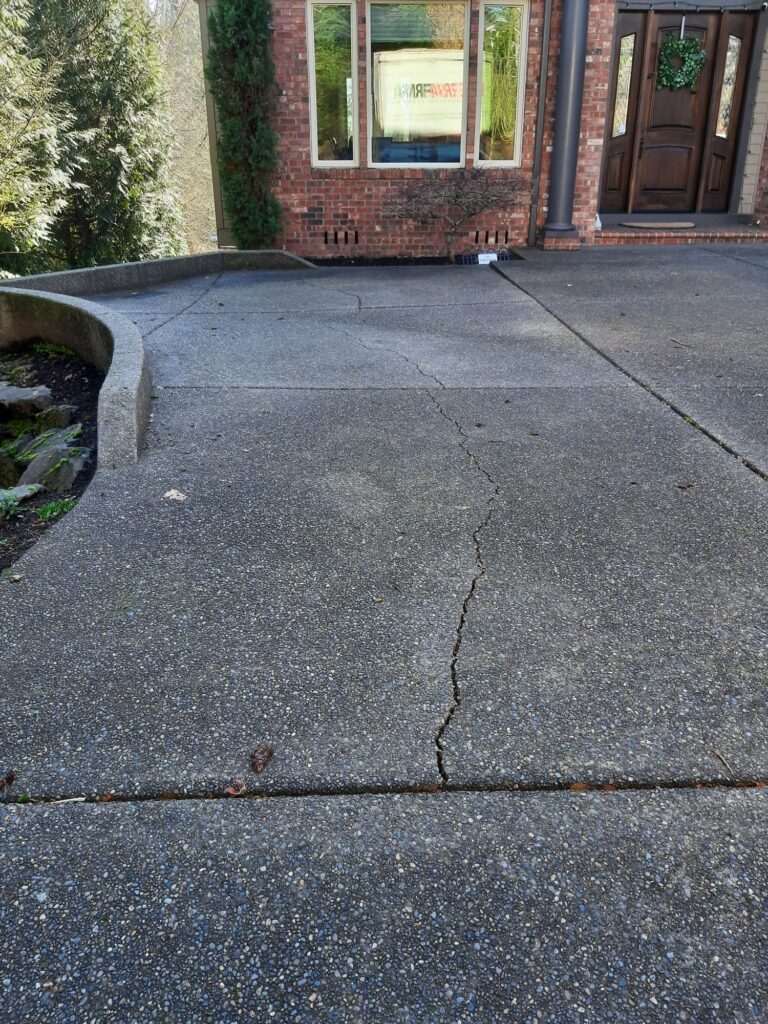
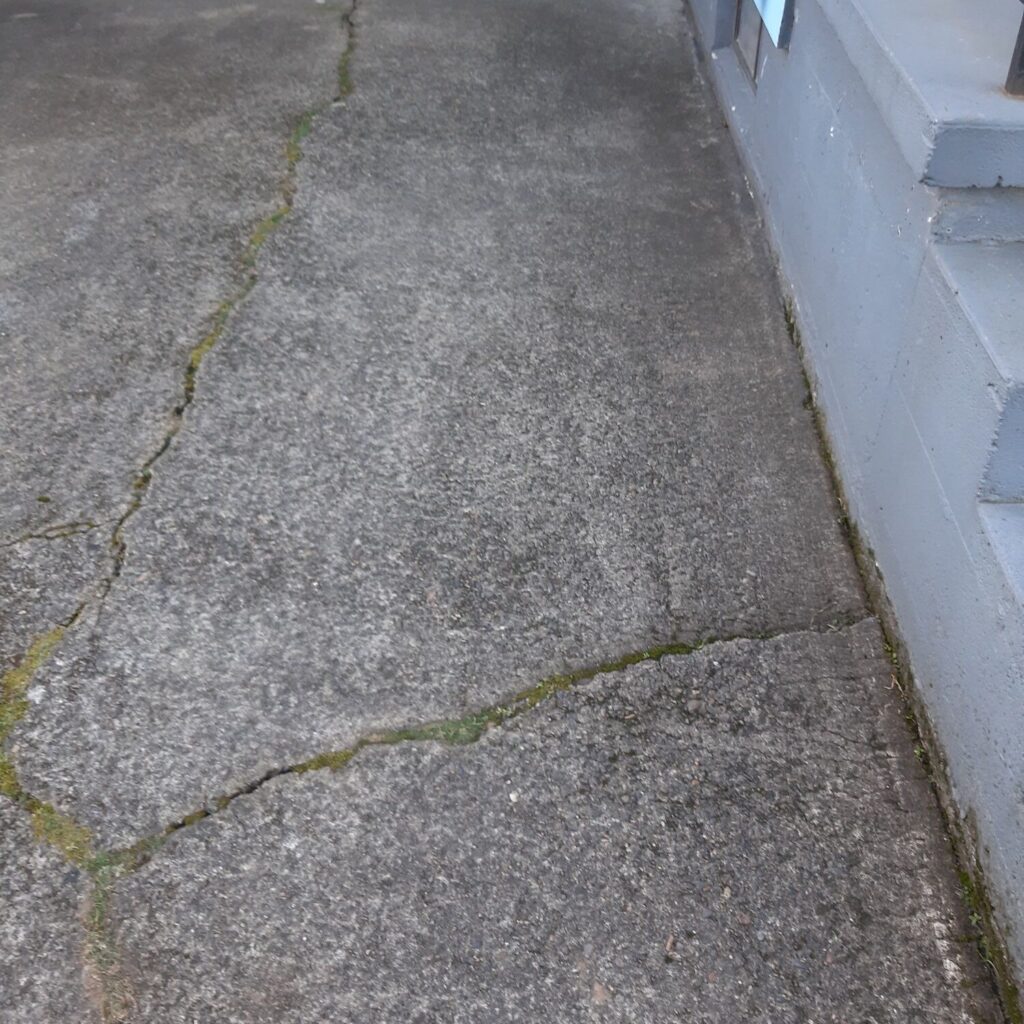
Driveways and walkways affected by frost heave often crack and separate. These uneven surfaces become safety hazards and reduce curb appeal.
Landscaping and Structural Elements
Retaining walls, fences, and decks can lose stability if their footings are above the frost line. Repeated lifting and settling eventually weaken these structures.
Foundation repairs are significantly more expensive than preventative solutions, which is why early evaluation is critical.
Foundation Damage
Repeated upward pressure can cause foundation walls or slabs to crack, shift, or become uneven. Over time, this can compromise the structural integrity of the home and allow allowing water intrusion.
Concrete Failure
Driveways and walkways affected by frost heave often crack and separate. These uneven surfaces become safety hazards and reduce curb appeal.
Landscaping and Structural Elements
Retaining walls, fences, and decks can lose stability if their footings are above the frost line. Repeated lifting and settling eventually weaken these structures.
Foundation repairs are significantly more expensive than preventative solutions, which is why early evaluation is critical.
How to Prevent Frost Heave Around Your Home
Homeowners and builders often ask, “How can I prevent frost heave in my backyard or construction site?” While winter temperatures can’t be controlled, frost heave prevention focuses on managing soil conditions, drainage, and construction depth.
Improve Drainage
Excess moisture is the biggest contributor to frost heave. Effective solutions include:
Downspout extensions directing water away from the home
French drains or surface drainage systems
Downspout extensions directing water away from the home
Use Frost-Resistant Materials
When replacing soil near foundations or slabs, use gravel or well-draining aggregate instead of clay or silt. These materials reduce water retention and limit ice formation.
How to Prevent Frost Heave in Concrete Slabs
Preventing frost heave in concrete slabs requires proper base preparation, drainage control, and frost-resistant materials. Slabs should be installed over well-draining gravel, with water directed away from the slab perimeter to prevent moisture buildup beneath the concrete.
Improve Drainage
Excess moisture is the biggest contributor to frost heave. Effective solutions include:
Proper grading away from the foundation
French drains or surface drainage systems
Downspout extensions directing water away from the home
Use Frost-Resistant Materials
When replacing soil near foundations or slabs, use gravel or well-draining aggregate instead of clay or silt. These materials reduce water retention and limit ice formation.
Build Below the Frost Line
Fence posts, deck footings, and structural supports should be installed below the regional frost depth. In Oregon and Washington, frost depth varies by location, making professional guidance important.
Repair Options for Frost Heave Damage
Even with preventative measures, frost heave can still occur, especially in older homes. Repair strategies depend on the severity and location of the damage.
Concrete Repair
Minor slab lifting may be addressed through resurfacing or leveling. However, recurring frost heave often requires soil correction and drainage improvements beneath the slab.
Foundation Repair
Cracked or shifting foundations should be evaluated by specialists. Depending on conditions, repairs may include:
Pier systems to stabilize and re-level affected areas
Landscape and Structural Corrections
Tilted fences, retaining walls, and deck supports may need repositioning or deeper footings to prevent future movement.
DIY fixes rarely address the root cause of frost heave. Without correcting soil and moisture conditions, damage is likely to return.
Concerned About Frost Heave Around Your Home?
If you notice recurring cracks, uneven concrete, or seasonal movement around your home, it’s time to consult a professional. TerraFirma Foundation Systems has extensive experience diagnosing frost heave versus settlement and designing long-term solutions tailored to Pacific Northwest soil conditions.
Frost heave problems rarely fix themselves and early intervention can save thousands in future repairs.
We offer professional evaluations, clear explanations, and proven repair solutions designed to stop frost heave at the source—not just cover up the symptoms.
James Kershaw is a Senior System Design Specialist and company trainer at TerraFirma, where he evaluates residential and commercial foundation, concrete, and waterproofing systems across Oregon and Washington. Over the course of his career, he has inspected thousands of homes throughout the Pacific Northwest, giving him a broad, real-world understanding of how regional soils, climate, and construction practices impact long-term structural performance.

 Free Estimate
 Financing
 Commercial Solutions
 Maintenance
 Bill Pay