 Free Estimate
 Financing
 Commercial Solutions
 Maintenance
 Bill Pay
Case Study
Comparing
Contractor Quotes
Side-by-Side
You’ve done your homework, you’ve read the reviews, and you’ve lined up estimate appointments with a few of the top rated foundation and waterproofing contractors near you to get their professional opinion.
But why are contractor quotes so hard to understand?
We’ve put together this comparison of 2 actual contractor bids that were submitted for a project for the Port of the Dalles. After reading this, when you’re ready to talk to contractors about your waterproofing or foundation issues, you’ll be better equipped to understand and compare your quotes.
Spoiler Alert: TerraFirma did not win this bid. But that’s okay, no hard feelings!
We’d like to use this experience to open up more insight into contractor bids for homeowners.
What should I consider when comparing basement waterproofing contractors?
- Why are contactors’ quotes so different? By thousands or tens of thousands of dollars?
- How does the highest bidding contractor compare to the lowest, if their reviews are comparable?
- How can you pick the best contractor when their bids show they’ll be installing the same equipment brands?
We’ll answer these questions and more.
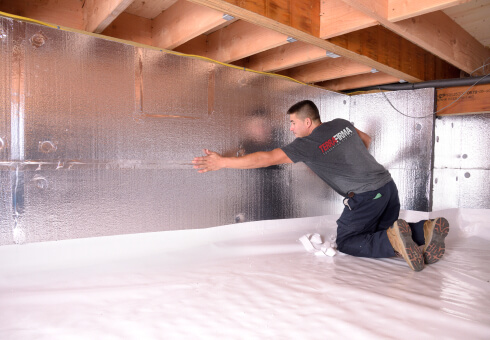
Photo is not in reference to job bids referenced in this article.
It turned out that the two bids proposed similar repair solutions and similar equipment, but the prices and scopes were miles apart.
This case study breaks down how the 2 competing bids that The Port of the Dalles received from TerraFirma and John’s Waterproofing. By the end, you’ll feel confident comparing contractor bids too.
How to Compare Contactor Quotes?
Break down both quotes into similar services, products, or line items, like this:
| Feature | TerraFirma’s Bid | John’s Waterproofing’s Bid |
| Core Drainage | WaterGuard System | WaterGuard System |
| Sump Pump | TripleSafe Sump | TripleSafe Sump |
| Wall Protection | VaporLoc Elite Liner | ThermalDry Wall System |
| Drywall/Finish | Not Included (“Rough-In”) | Included, Paint-Ready |
| Total Bid: | $25,465.58 | $39,037.95 |
If you only look at the equipment list, the quotes look identical. However, the price difference was over $13,500. When you see a massive price gap for the same hardware, look at the ancillary systems:
- Wall Treatments: One contractor may suggest a basic vapor barrier, while another proposes a thermal finished wall system.
- System Capacity: Both may use the same pump, but check if they are increasing the capacity of your current setup to handle peak “events” like heavy rainstorms.
Look Beyond Cost When Comparing Quotes
Cheaper doesn’t always mean lower quality, and more expensive doesn’t always mean better results.
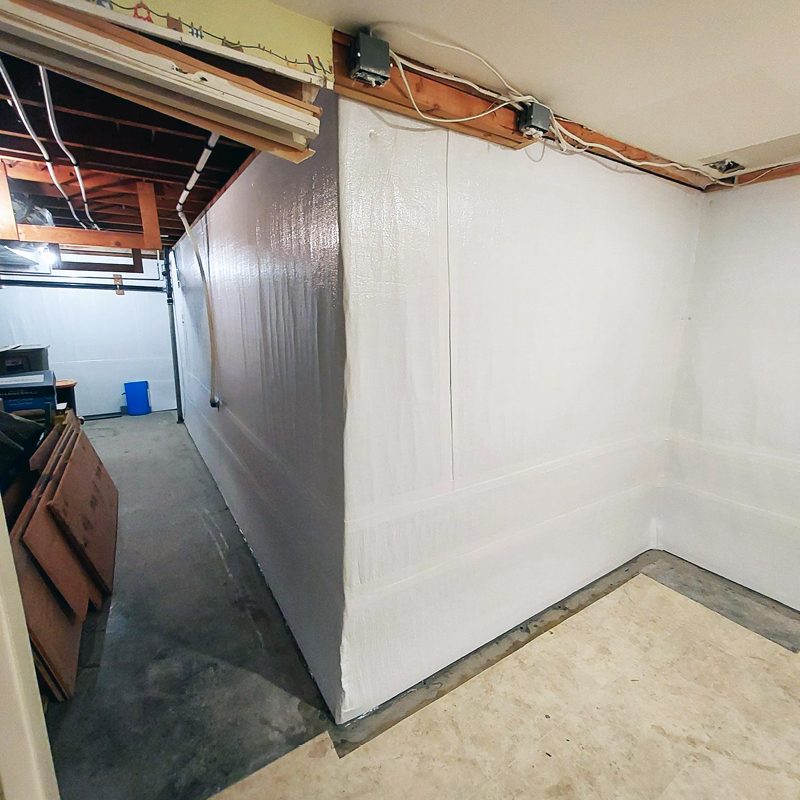
TerraFirma’s Bid: Focuses on structural and moisture management solutions. They install the “guts” of the system and install vapor barriers for wall protection. This also allows homeowners to save by installing drywall themselves or bring in their preferred specialist of their choice for drywall, paint, etc.
John’s Waterproofing’s Bid: Included a “paint-ready” drywall finish and complete restoration of the room. This is more expensive but provides a “turn-key” result.
When considering basement or foundation work, ask yourself how “useable” or “finished” you’d like the space to be when done.
In this case, the Port of the Dalles chose the more expensive bid because they needed the room back in “active use” immediately. For many homeowners the basement does not need to be a useable public space, and the additional cost of drywall installation may be an unnecessary expense.
Benefits of a Crawl Space Vapor Barrier
- Improves overall indoor air quality
- Reduces crawl space humidity
- Helps prevent mold and mildew
- Protects insulation and framing
However, a vapor barrier alone does not address liquid water intrusion.
- Interior drainage systems
- Sump pump installation
- Wall liners
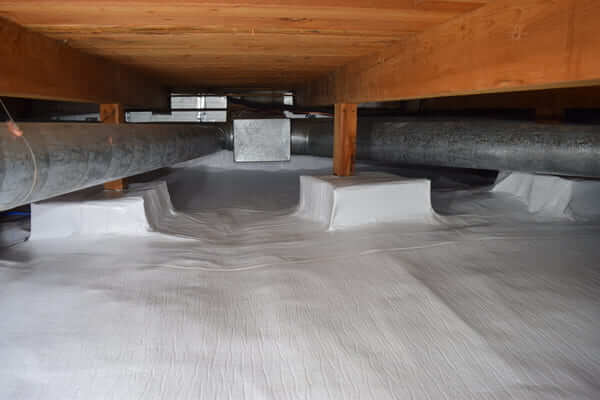
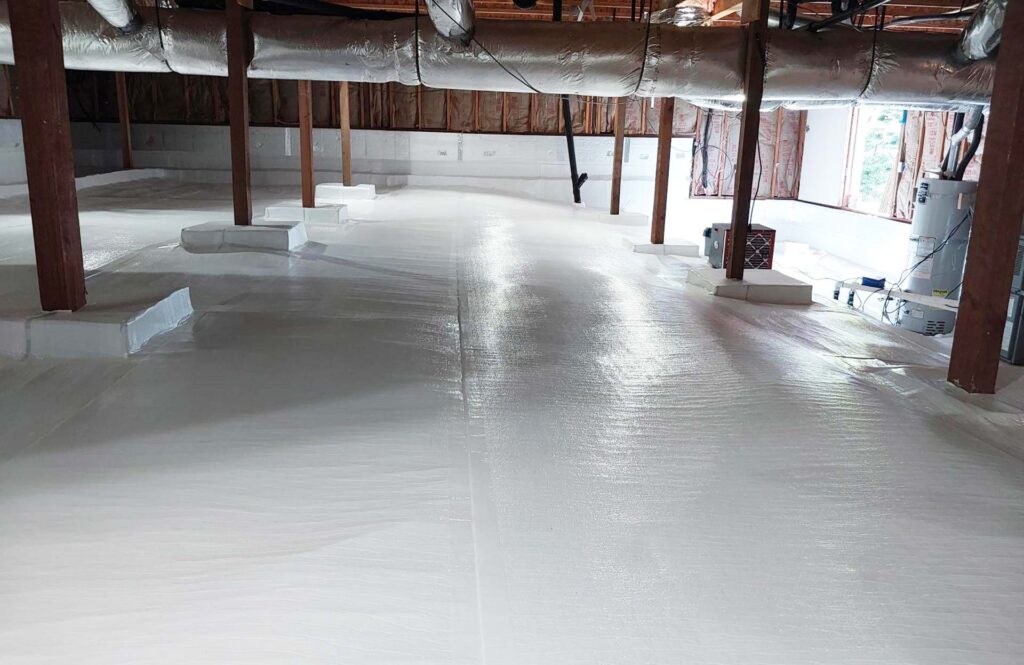
- A sealed vapor barrier attached to walls and piers
- Sealed vents and air gaps
- Optional dehumidifier
Full encapsulation, not just a vapor barrier, is the most effective long-term solution for crawl space flooding and moisture issues.
- Crawl space size and accessibility
- Existing water damage
- Drainage and pump requirements
- Whether encapsulation is needed
While a basic vapor barrier has a lower upfront cost, encapsulation often provides greater long-term value by preventing structural repairs, mold remediation, and energy loss.
- Focus exclusively on foundations and crawl spaces
- Offer engineered, permanent solutions
- Understand local soil and climate conditions
- Provide strong warranties on workmanship
TerraFirma Foundation Systems has helped thousands of homeowners across Oregon and Washington protect their homes from water damage through proven, long-term solutions. We offer free, in-home professional evaluations.
- Specializes in crawl spaces and foundations
- Designs custom drainage solutions
- Installs sump pumps and encapsulation systems
- Offers long-term, transferable warranties
For homeowners in Oregon and Washington, TerraFirma Foundation Systems provides free professional evaluations and provides permanent solutions tailored to local soil and weather conditions.
Crawl Space Waterproofing Solutions
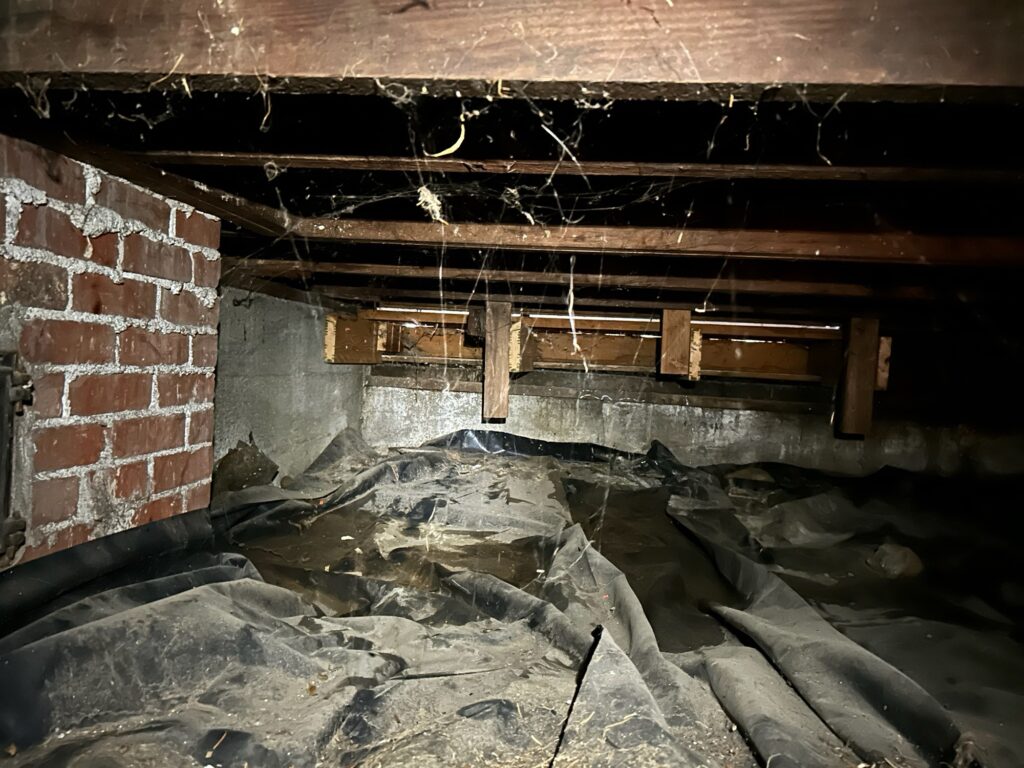
Every crawl space is different, but common water management strategies include:
- Choose the lower-cost specialist if you have a trusted handyman or the skills to do the finishing work yourself. You’ll save significantly on the core installation.
- Choose the higher-cost generalist if you need the space functional immediately and don’t want to manage multiple contractors.
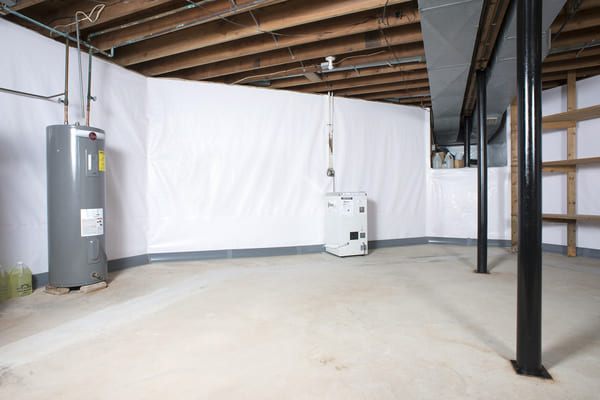

Because of the unique basalt rock formations in our area, ensure any quote you receive includes an interior perimeter solution.
Sump pumps alone are rarely enough to combat the pressure from the Columbia River’s water table.
Ask your foundation contractor about interior drainage solutions for below ground basement waterproofing, we have a few options:
- Plastic Linings – We put a plastic lining along the inside of the walls. If water comes through those walls they stop at the lining and drain downwards.
- French Drains – We bury a pipe with holes in it to collect water. If water is coming up from the ground into the basement we will install these below the slab to collect that water and send it to the sump. We might also use these outside the basement if there is a strong source of water flowing to the house on the surface like runoff from a hill.
- Channel Drains – We tend to use these at the base of plastic linings to send the water to a sump. So the water comes in, hits the plastic lining, drains down into the channel and flows to the sump.
- Two Stage – This is a combination of plastic linings/channel drains and French drains. Water is coming from above, below, everywhere! We need to get it out.
- Other options – Depending upon your specific foundation’s needs we will use different products to control the flow of water.
The Bottom Line: Foundation Waterproofing Is About Protection
No system can make a home completely waterproof forever. But the right water management strategy can protect your foundation, crawl space, and basement for decades.
Whether you need a crawl space vapor barrier, full encapsulation, or basement waterproofing, TerraFirma’s goal is simple:
Keep water where it belongs — away from your home.
If you’re experiencing moisture issues beneath your home, a professional inspection is the first step toward a dry, healthy, and protected foundation.
How To Choose a Basement Waterproofing Contractor In Oregon
Choosing the right contractor is an important part of solving basement water issues effectively.