
 Free Estimate
 Financing
 Commercial Solutions
 Maintenance
 Bill Pay

Let’s take a closer look at how crawl space moisture affects homes and what can be done to fix it effectively.
Understanding how moisture enters your crawl space, and how modern encapsulation systems control it, is key to protecting your home’s structure, improving indoor air quality, and ensuring long-term performance.
Why Is Crawl Space Moisture a Major Issue In Oregon Homes?
Crawl spaces are one of the most overlooked parts of a home, but they play a critical role in structural stability, indoor air quality, and long-term durability.


How do youMitigate Moldin crawl spaces?
Moisture problems in crawl spaces are often the result of environmental conditions combined with structural factors.
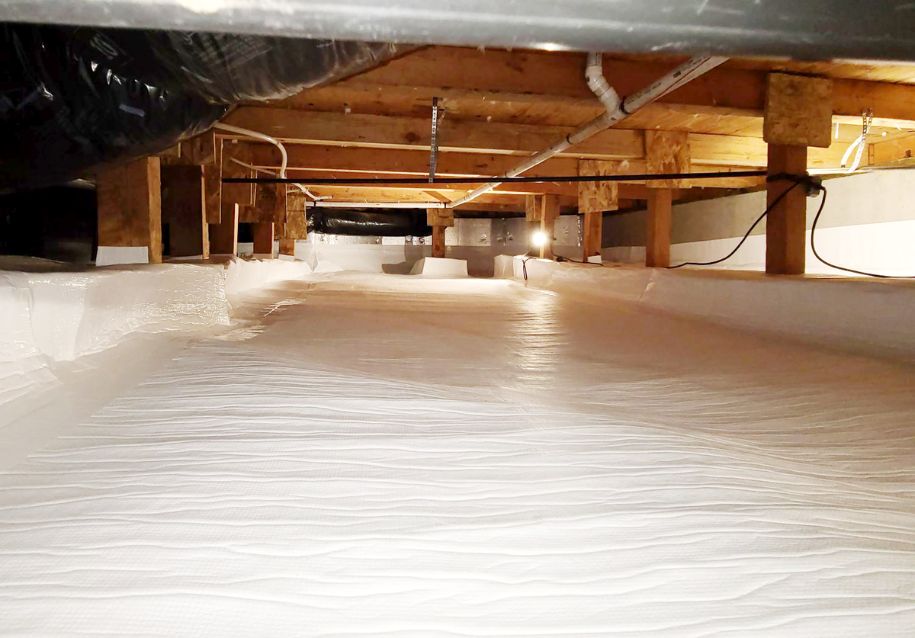
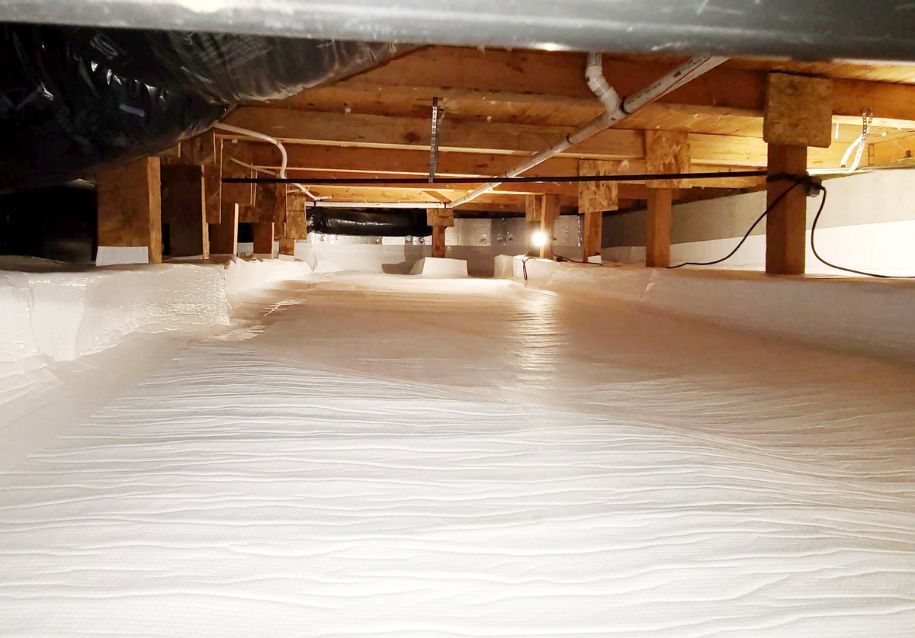
Does Crawl Space Encapsulation fix moisture, mold, and musty smells?
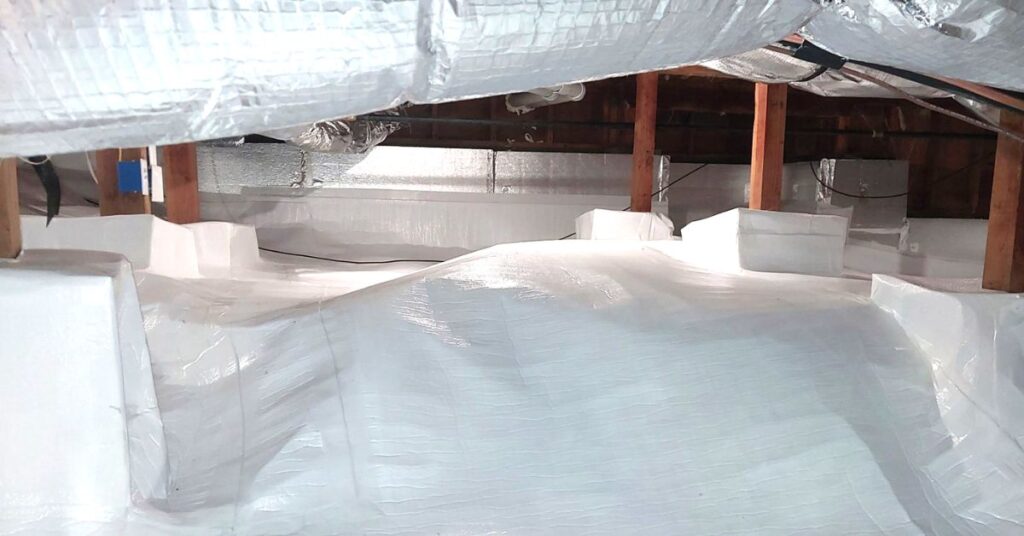
Crawl space encapsulation is designed to address moisture problems at their source by sealing the space and creating a controlled environment.
The process begins with removing damaged materials, including wet insulation and debris. This step eliminates existing sources of mold and contamination.
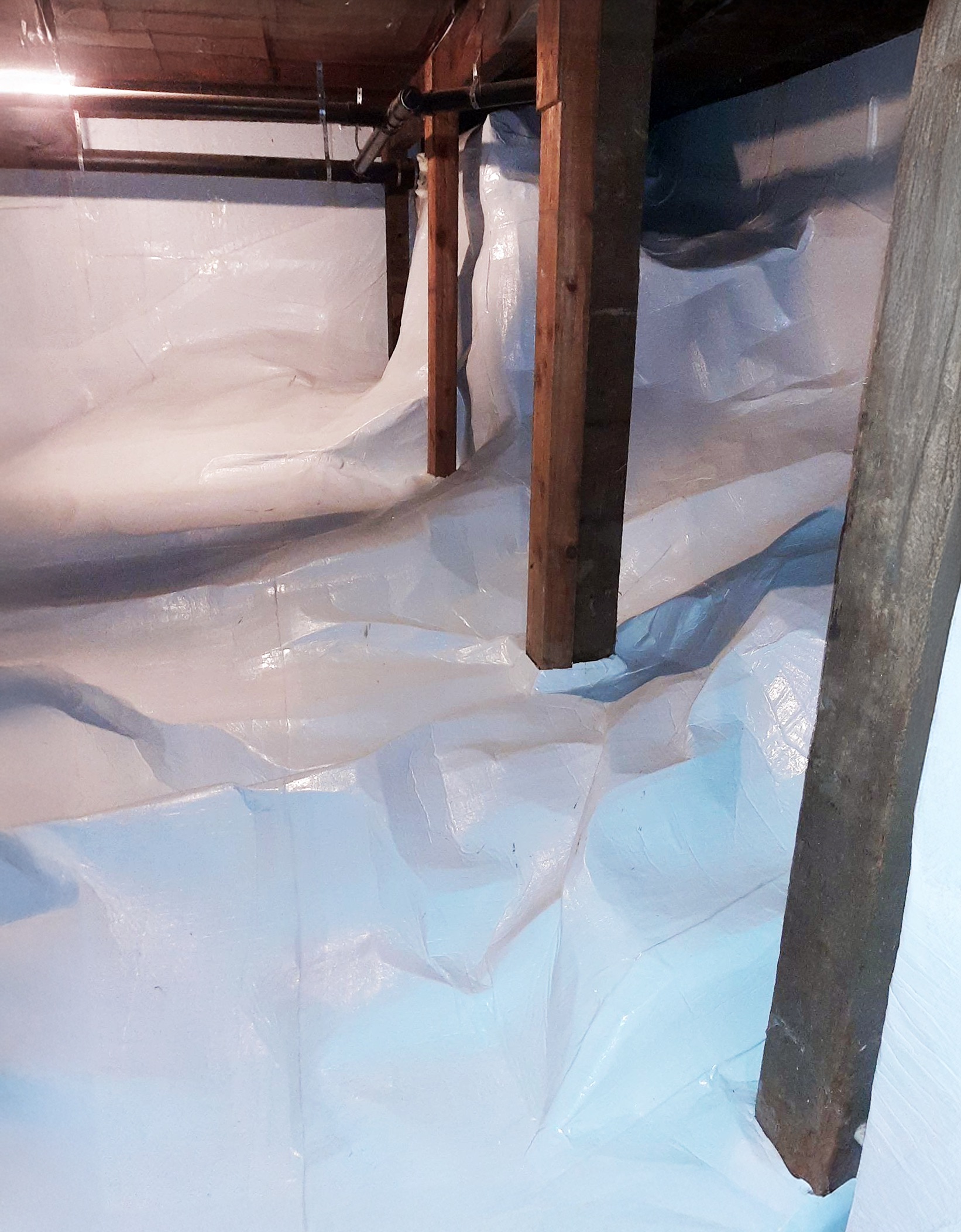
Expert Tip: If your home smells musty or your floors feel cold, the problem may be coming from your crawl space, even if you’ve never looked inside it. Moisture below your home can affect the entire living environment above it.
Crawl SpaceContractors Near Me in Aloha, OR
Crawl space encapsulation provides long-term protection, especially in moisture-prone regions like Oregon.
Improved indoor air quality
Since a large portion of indoor air originates from the crawl space, reducing moisture and mold significantly improves air quality.
Protection against structural damage
Moisture can weaken wooden beams and supports over time. Keeping the crawl space dry helps preserve structural integrity.
Increased energy efficiency
Sealing and insulating the crawl space reduces energy loss and lowers heating and cooling costs.
Prevention of mold and pests
Encapsulation creates an environment that is less favorable for mold growth and pest activity.
How do you Encapsulate a Crawl Space?

1. Clean and prepare the space

2. Ensure proper drainage

3. Seal and insulate

4. Drainage matting and vapor barrier liner

5. Double tape seams

6. Control air humidity
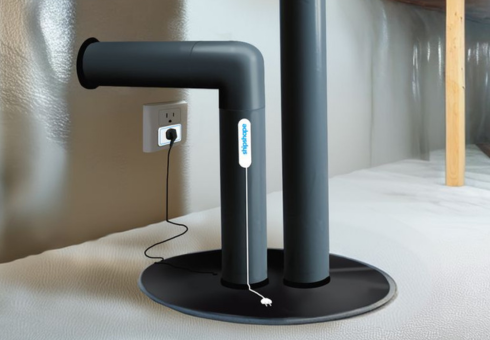
7. Performance Monitoring

8. Warranty

9. Maintenance
Crawl SpaceRepaired in Aloha, OR
The results of a crawl space encapsulation project are often dramatic.
Crawl Space
Homeowner FAQs
Crawl space insulation vs encapsulation – which is better?
Crawl space insulation is typically ill-advised on its own. When insulation gets damp or wet, it stays wet. Dampness and mold that is able to grow in your crawl space will move throughout your home. We recommend a setup that includes a double-sealed vapor barrier as well as a dehumidifier and sufficient drainage system.
What causes a floor joist to sag?
Excess moisture in floor joist, overspanned joist supports, and excess load above joist can all cause joists to sag.
IS DRAINAGE MATTING INSTALLATION TIME-CONSUMING?
Drainage matting should not significantly add to the installation time of your crawl space vapor barrier system. When we send our crew to your home, one member will lay the drainage matting while another installs the liner over the top. A crawl space system usually installs in less than a day.
How to support floor joists in a crawl space?
In many cases, a failing crawl space structure can be resolved by installing crawl space supports. This is a fast job that can provide permanent, warrantied results. Typical installations can be completed in less than two days.
How much does crawl space insulation cost?
Cost varies based on the type of insulation, the size of the space being insulated, and how the home was constructed. However, getting an inspection and estimate to insulate your crawl space is free – click here to request an in-home appointment.



