
 Free Assessment
 Financing
 Commercial Solutions
 Maintenance
 Bill Pay

TerraFirma
Crawl Space Repair in Boise
Protect the space beneath your Boise home from seasonal moisture, irrigation runoff, ground vapor, wood damage, and structural problems with a crawl space repair system designed for your property.
BOISE, OREGON
Stop Crawl Space Problems with Crawl Space Repair in Boise
Boise homes may experience crawl space moisture from irrigation runoff, winter precipitation, snowmelt, exposed soil, plumbing leaks, roof drainage, and seasonal groundwater changes. Clay and silt-heavy Treasure Valley soils can hold moisture near the home, while hot summers and cold winters create large seasonal shifts below the floor. Damp insulation, musty odors, wood damage, and uneven floors are signs that the space needs attention. Crawl space repair in Boise, Idaho begins by identifying the source and matching the system to the property.
Boise Crawl Space Warning Signs
Signs Your Boise Crawl Space May Need Repair
Crawl space problems can begin below the home and gradually affect the rooms above. Damp air, standing water, damaged insulation, and wood rot should not be ignored.
Watch for:
- Standing water or wet soil
- Musty odors inside the home
- Sagging or damp insulation
- Visible mold or mildew
- Condensation on pipes or ductwork
- Wood rot or damaged floor joists
- Cold or uneven floors
- Pest activity below the home
- High indoor humidity
- Soft, uneven, or sagging floors
Professional crawl space repair in Boise, Idaho can identify the source of moisture or structural damage and provide a solution designed for the conditions beneath your home.
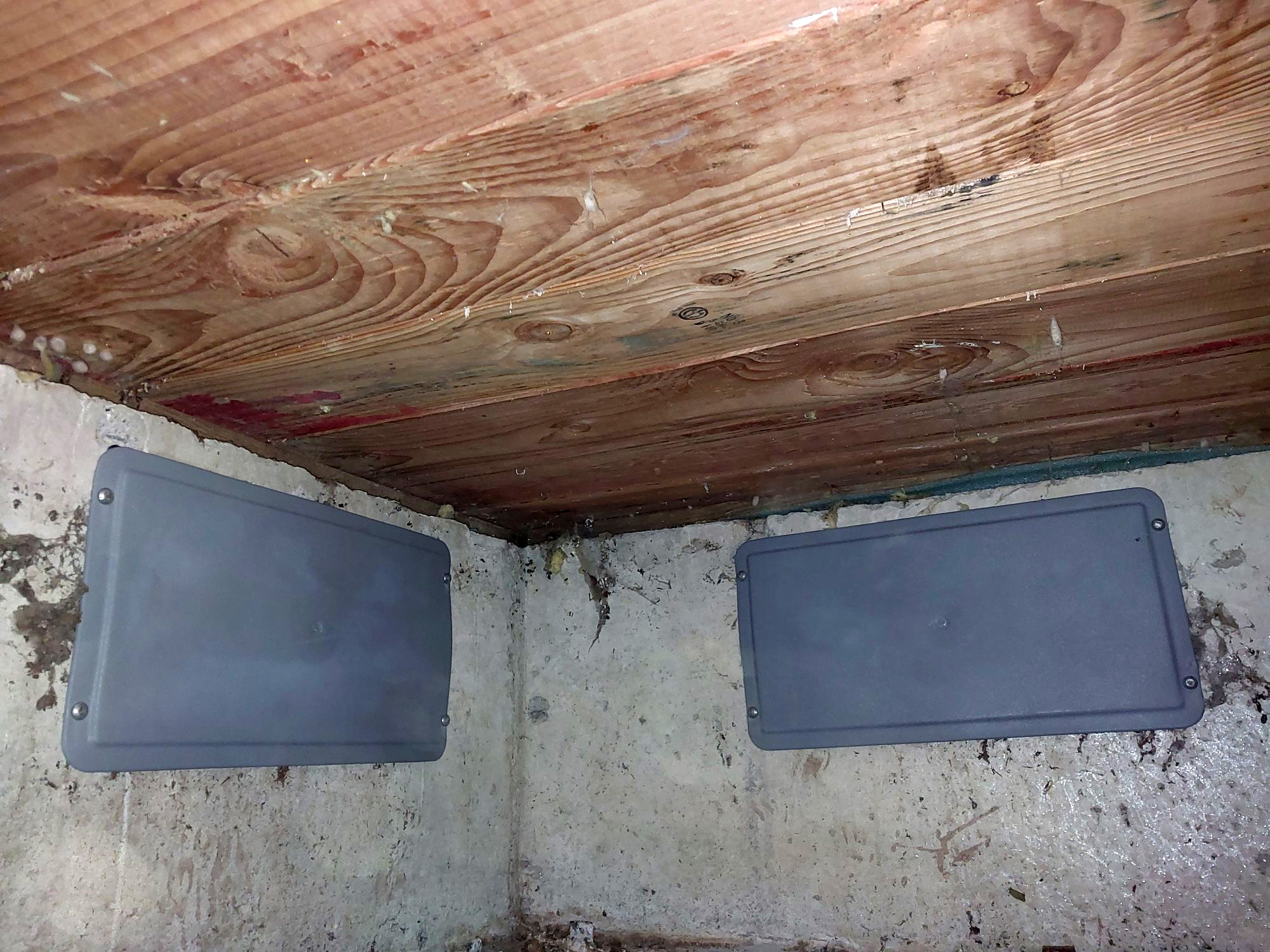
Crawl SPACE SUMP PUMPS
Sump pumps are commonly used in crawl spaces and basements to remove excess water that may accumulate due to groundwater infiltration, high water tables, or flooding. Our products are designed to keep your crawl space dry while making your life easier.
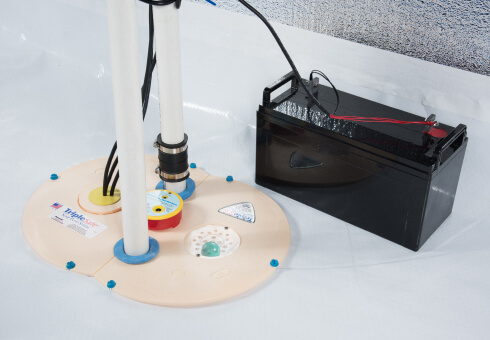

multi-pump
Sump System
Providing three levels of protection for your crawl space, the Multi-pump Sump System is designed for your peace of mind. For normal functioning, the Multi-pump Sump System has a powerful, Zoeller® ⅓ horsepower sump pump set at the lowest level. For heavy volumes of water or in case of primary pump failure, a second, more powerful Zoeller® ½ hp pump will take over. In case of a power outage, our emergency backup pump will pump 11,500 gallons or more on a fully charged battery.
Advantages
- ⅓ hp primary pump can discharge 2,220 gallons of water per hour at an 8-foot head.
- ½ hp secondary pump can discharge as much as 3,900 additional gallons of water per hour at an 8-foot head.
- In the case of a tripped circuit, power outage, or sump failure, your Multi-pump Sump System Battery Backup System will kick in.
- Can support a second battery to achieve extended running time.

emergency
Backup PUMP System
The optional battery backup can be added to the Multi-pump Sump System as additional protection in case the power fails. The battery backup will automatically kick in and begin removing water from your crawl space, preventing a flood. The Multi-pump Sump System system can pump out in excess of 11,500 gallons of water on a fully charged battery.
Advantages
- Once the power is restored, the battery backup sump pump will automatically recharge
- Comes with an alarm in case of power failure, sounding when the backup pump is running and silencing when power is restored.
- The alarm also protects you in case the main system is accidentally unplugged
Restore Support Below the Home
Repairing Sagging or Uneven Floors
Long-term moisture can weaken wooden beams, floor joists, and support posts. In other homes, inadequate spacing or settling supports may allow floors to sag or become uneven.
Signs of a structural crawl space problem:
- Bouncy, soft, or sloping floors
- Gaps between floors and interior walls
- Cracks above doors or windows
- Damaged beams, joists, or support posts
- Doors that stick or no longer close properly
As part of crawl space repair in Boise, Idaho, TerraFirma can evaluate the support system and recommend repairs based on the condition of the crawl space and the structure above it.
Why Choose TerraFirma?
Local Crawl Space Experience in Boise
Homes across Boise, Meridian, Eagle, Nampa, Caldwell, and nearby Treasure Valley communities can experience crawl space moisture even in Idaho’s comparatively dry climate. TerraFirma examines grading, irrigation runoff, snowmelt pathways, exposed soil, vents, insulation, wood, drainage, and structural supports instead of treating only the most visible symptom.
Our goal is to provide dependable crawl space repair in Boise, Idaho that helps protect the home, improve conditions below the floor, and give homeowners greater peace of mind.
Homeowners choose TerraFirma for:
- Thorough crawl space evaluations
- Solutions designed for the home’s conditions
- Professional encapsulation and drainage installation
- Moisture-control and structural repair options
- Clear explanations and honest recommendations
- Ongoing service and maintenance support
Award Winning
Results Begin Here.


CRAWL SPACE ENCAPSULATION
Crawl space encapsulation is a process that seals the area beneath a building to prevent moisture and improve air quality. Crawl space solutions include installing a moisture barrier on the ground and walls, sealing vents and other openings, and adding insulation panels.
Implementing crawl space encapsulation in the Portland and Seattle areas is vital to protect homes from costly repairs, ensure healthier indoor air, and enhance energy efficiency throughout the year. Crawl space solutions are especially important in the Pacific Northwest. This region endures frequent rainfall, which immensely increases the risk of moisture accumulation in crawl spaces. Therefore, the goal is to create a dry environment that reduces mold growth, pest infestations, and structural damage.

1. Clean and prepare the space

2. Ensure proper drainage

3. Seal and insulate

4. Drainage matting and vapor barrier liner

5. Double tape seams

6. Control air humidity
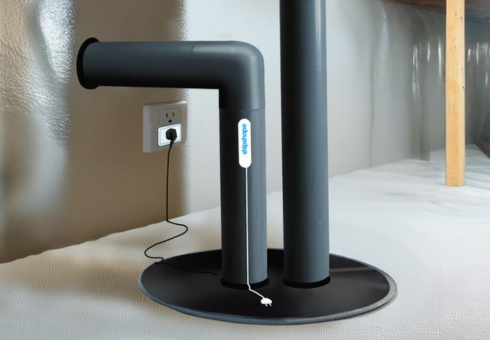
7. Performance Monitoring

8. Warranty

9. Maintenance
Whole-Home Protection
Why a Healthy Crawl Space Matters
Conditions in the crawl space can influence the floors, air, comfort, and structural materials throughout the home. Managing water and humidity below the floor can help reduce musty odors, protect wood, and create a more stable indoor environment.
Professional crawl space repair in Boise, Idaho provides more than a temporary cover over the soil. TerraFirma designs a connected system that addresses irrigation or drainage water, ground vapor, seasonal humidity, and structural concerns based on the needs of the property.
TerraFirma
BOISE SERVICE AREA
Proudly serving:
Boise, Meridian, Eagle,
Nampa, Caldwell, and nearby Treasure Valley communities
Schedule a free crawl space evaluation for your Boise-area home.
Crawl Space
Homeowner FAQs
Crawl space insulation vs encapsulation – which is better?
Crawl space insulation is typically ill-advised on its own. When insulation gets damp or wet, it stays wet. Dampness and mold that is able to grow in your crawlspace will move throughout your home. We recommend a setup that includes a double-sealed vapor barrier as well as a dehumidifier and sufficient drainage system.
My concrete seems to have moved up during the winter months, is this a problem?
If your concrete has shifted up during the winter months, it is most likely heaved from the frozen dirt below the concrete. This is normal, and usually the concrete will return to normal once the ground thaws. If it doesn’t return to its normal position in the spring, you may want to have one of our experts take a look to determine if a permanent solution is necessary.
What causes a floor joist to sag?
Excess moisture in floor joist, overspanned joist supports, and excess load above joist can all cause joists to sag.
Can you repair cracked concrete after going through concrete leveling?
Yes. In fact, we recommend that our TerraFirma Concrete Leveling customers seal the cracks and joints of their newly lifted concrete with our NexusPro solution, as it will help protect their concrete for many years to come.
My concrete seems to have settled over the winter. What should I do?
Your concrete most likely didn’t settle, but instead the adjacent concrete slabs heave upwards, due to the frozen dirt below. There is nothing that can be done, but wait for the ground to thaw and the concrete to return to its original position. If the concrete doesn’t return to its normal position in the spring, you may want to have one of our experts take a look to determine if a permanent solution is necessary.


