
 Free Estimate
 Financing
 Commercial Solutions
 Maintenance
 Bill Pay

Recently, an earthquake with a magnitude of 5.5 occurred 135 miles west of Bandon, Oregon. It reminded Oregonians about the fact that being located in the Pacific Northwest implies certain risks of earthquakes and their consequences.
Luckily, this earthquake didn’t cause any damage nor trigger any tsunami alert.
But it raises a legitimate concern for many homeowners:
“What if this time my home had sustained damage? Would my homeowners insurance have covered the costs of the repairs?”
And the answer will surprise many people.
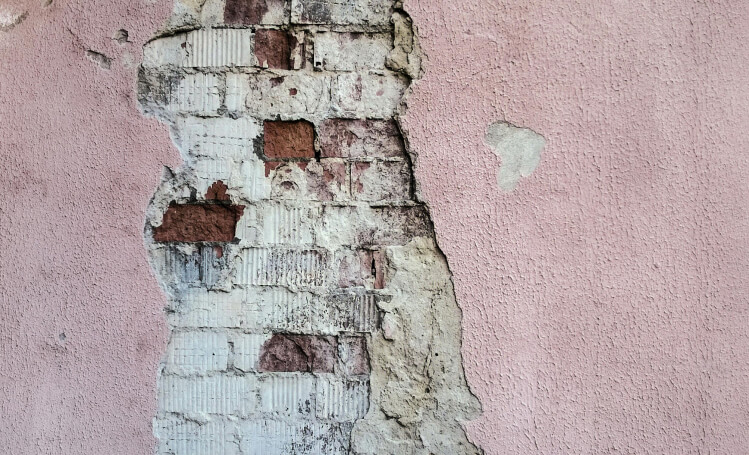
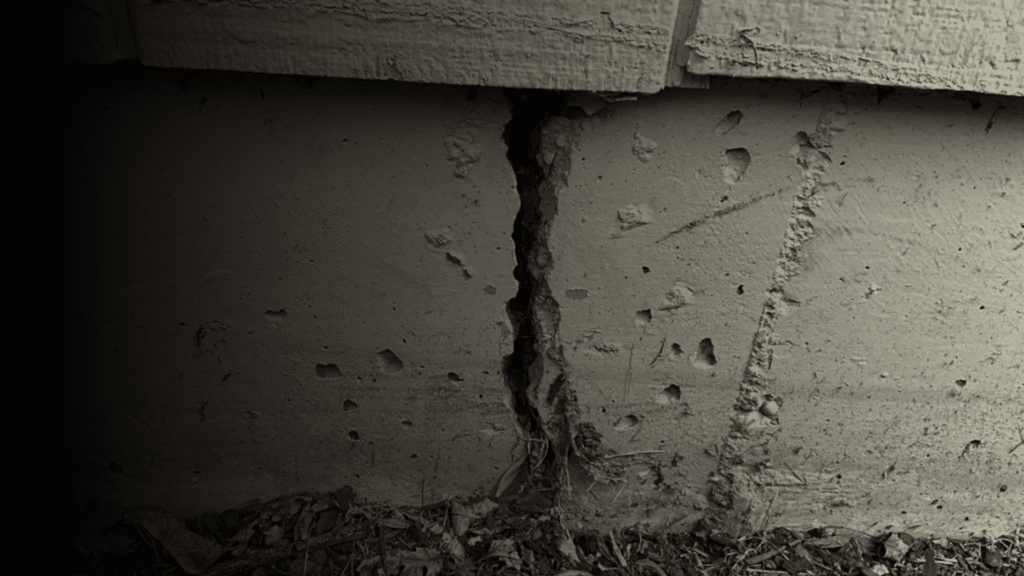
Indeed, in most cases, standard homeowners insurance doesn’t cover earthquake damage. Seismic activity, including foundation cracks, structural shifting, and crawl space damage, requires a separate earthquake insurance policy.
Knowing what your insurance covers and what earthquake retrofitting could do to prevent further issues may help you make informed decisions in case another earthquake strikes Oregon.
Does Standard Homeowners Insurance Cover Earthquake Damage?
Mostly no.
A standard homeowners insurance policy usually includes protection against:
- Fire
- Windstorm
- Hail
- Theft
- Some types of water damage
- Falling trees
Earthquakes are not included in standard policies.
Therefore, if an earthquake causes damage to the foundation, walls, floors, and other structural parts of your house, it won’t be covered by your homeowner insurance policy unless you have purchased earthquake insurance.
As every policy is different, it’s important to check it and discuss details with your insurance provider.
What Does Earthquake Insurance Typically Cover?
An additional earthquake insurance policy may cover the following damages:
- Structural damage to your house
- Foundation repair
- Damages to the attached structures
- Personal belongings (it depends on the policy)
- Living expenses if your home becomes uninhabitable due to the earthquake
Limitations, deductibles, and exclusions vary from one insurance company to another.
Also, earthquake insurance usually includes much higher deductibles than standard homeowner insurance.
What Isn’t Covered?
Even if you have earthquake insurance, there still might be some things that won’t be covered by it.
They usually include:
- Preexisting foundation damage
- Regular settlement of your house
- Deficiency maintenance
- Landscape
- Swimming pools
- Fences and detached structures (it depends on the policy)
- Ground movement that wasn’t caused by a covered earthquake
You should read your policy attentively.
SEE WHAT YOUR NEIGHBORS
HAVE TO SAY ABOUT US!
At TerraFirma we take pride in our work! We are trusted and referred by homeowners since 2005, to provide solutions for home foundations, basement and crawl space moisture, concrete leveling, and earthquake retrofitting.
Award Winning
Results Begin Here.


How Does Earthquake Retrofitting Help?
Earthquake retrofitting helps make your house safer in terms of seismic resistance.
Depending on your home, it may involve:
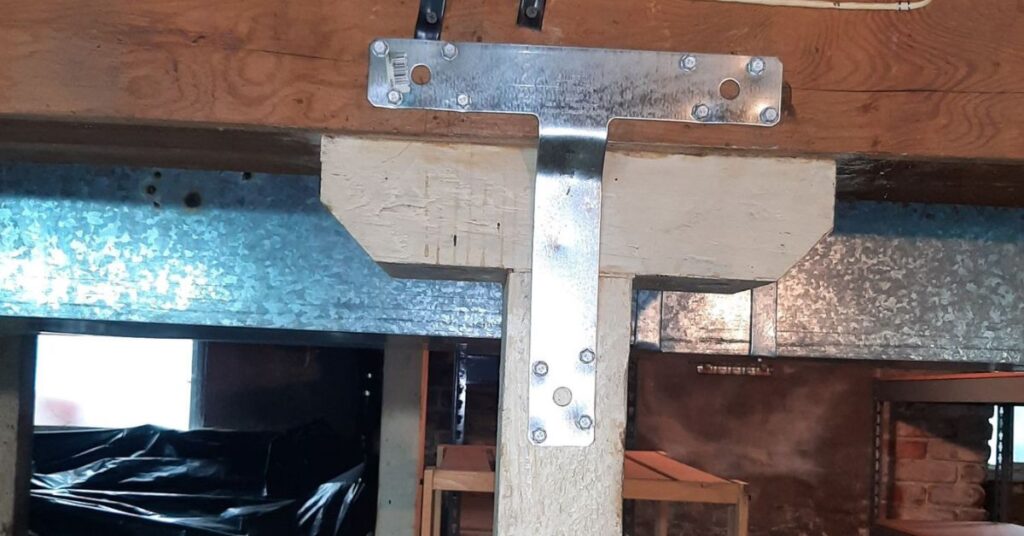
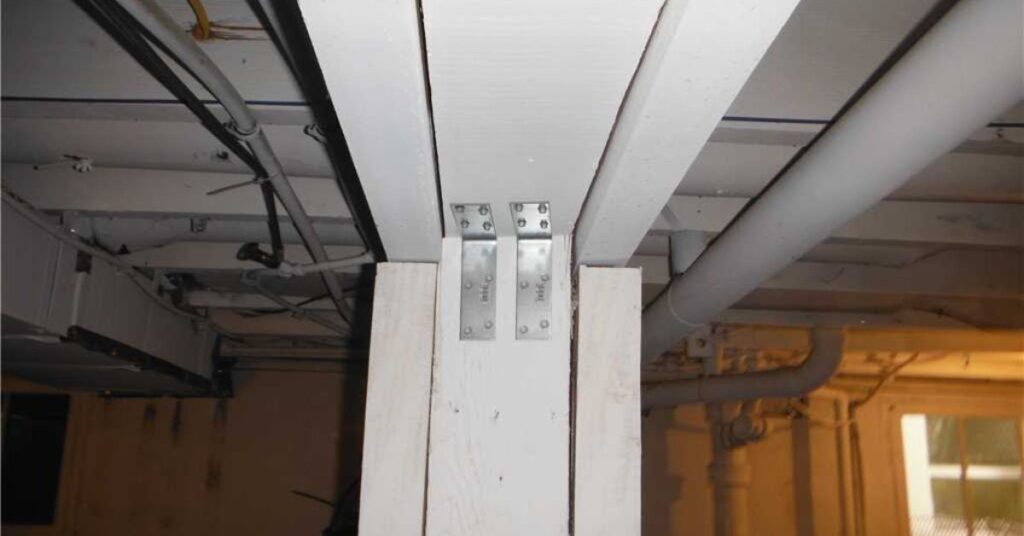
- Bolting the house to the foundation
- Strengthening cripple walls
- Installing foundation anchors
- Structural reinforcements
- Improvements in crawl space
Many houses in western Oregon were constructed before the new building standards came into effect and may require seismic retrofitting.
Can Earthquake Retrofitting Help Reduce Your Insurance Premium?
Sometimes it can help, but not always.
Some insurance companies consider seismic improvements when assessing your home’s risk, but some don’t provide any discounts on your premium rate.
Even if your insurance premium stays the same, the earthquake retrofitting is still beneficial for reducing the risks of any structural damage in case of future earthquakes.
In some cases, a retrofitted home may be viewed more positively during the underwriting process or when purchasing earthquake insurance.
If you’re planning to retrofit your house, you should ask your insurance provider about their attitude towards such measures.
Why Retrofitting Is Not Only About Insurance
Reducing your insurance costs is not the main reason for earthquake retrofitting.
It’s rather about protecting your house and your family.
Benefits of earthquake retrofitting may include:
- Reduced structural movements during earthquakes
- Increased safety of your home’s foundation
- Decreased risks of expensive repairs
- Greater stability
- Increased peace of mind
Even though no retrofit can guarantee the absence of any damage, seismic retrofitting can greatly increase your home’s resistance during earthquakes.


Is Your House a Good Candidate for Earthquake Retrofitting?
You should schedule a professional inspection if:
- Your house was built before the new seismic codes came into force
- Your house hasn’t been retrofitted yet
- You have a crawl space
- There are cracks or any other foundation problems in your house
- You live on the coast of Oregon or elsewhere in western Oregon
A professional inspection will help to evaluate your house and understand whether it needs earthquake retrofitting.
The Recent Earthquake Is a Great Reminder to Get Ready
Though the earthquake of June 29 didn’t have a noticeable impact on the majority of Oregon homeowners, it serves as a good reminder that our region is located near the Cascadia Subduction Zone, which is one of the most active seismic regions in North America.
You can’t predict the next earthquake. Therefore, getting your house prepared in advance can save you money on possible future repairs and help to maintain its integrity.
Schedule Your Safe, Dry, Stable Inspection
If you’re not sure whether your house has been retrofitted, or if you notice signs of foundation movements, the team at TerraFirma Foundation Systems will be happy to help.
We perform Safe, Dry, Stable Inspections and evaluate your house’s:
- Foundation
- Crawl space
- Structural stability
- Moisture levels
- Opportunities for earthquake retrofitting
Depending on your house’s situation, we’ll be able to give you professional advice on how to keep your home safe, dry, and structurally stable.

Disclaimer
The information provided above is intended for general educational purposes only. It shouldn’t be considered insurance, financial, or legal advice. Policies, limitations, coverage, and eligibility vary from one insurance company to another. Please contact your insurance carrier or a licensed insurance agent to learn more about your coverage.