
 Free Estimate
 Financing
 Commercial Solutions
 Maintenance
 Bill Pay

What Should Really Scare you about your Home
It’s about that time of the year for spooky stuff to be everywhere. There are many scares about, trying to get you with their icy tendrils, but homeowners know real fear. We have to deal with contractors and tradesmen.
It’s also the time of the year in the Pacific Northwest when the rains come, and we start to see that our home isn’t so impenetrable. Water seeps in through various methods and in diverse places, but what should you really be scared about?
Sticking Doors
As in any horror movie, you will see signs of the monster before you actually see it. It builds suspense, but do we really need suspense in our homes?
Sticking doors and windows are signs that their frames are no longer square. The frame has shifted, squashed, or bent in some way that a part of the door or window pushes against the frame, making it stick. To fix the sticking doors, we will sand the door down so it fits or even get a smaller door. For windows, we just won’t open that window anymore, or we’ll keep them open.
We will tell ourselves the house is just old, or the humidity is high today, or even that it’s ghosts: “They don’t want us to go into that room.” The actual problem might be scarier, and it moves more slowly than a zombie.
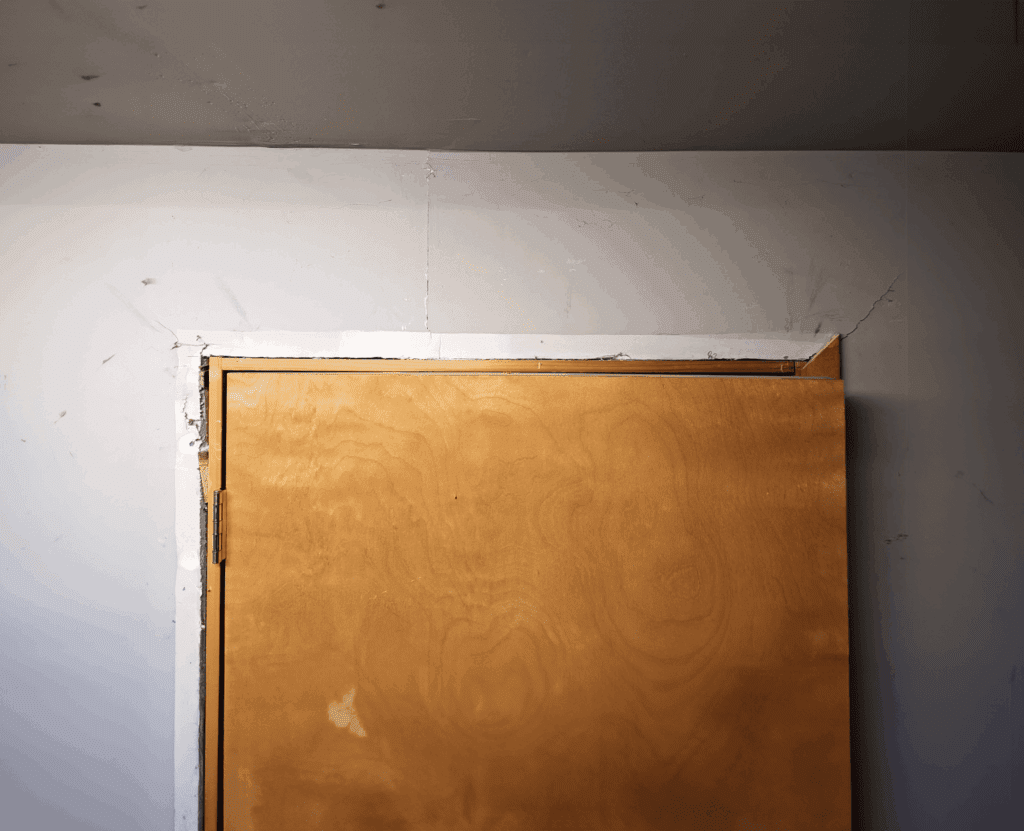
Sticking doors and windows are signs that their frames are no longer square. The frame has shifted, squashed, or bent in some way that a part of the door or window pushes against the frame, making it stick. To fix the sticking doors, we will sand the door down so it fits, or even get a smaller door. For windows, we just won’t open that window anymore, or we’ll keep them open.
We will tell ourselves the house is just old, or the humidity is high today, or even that it’s ghosts: “They don’t want us to go into that room.” The actual problem might be scarier, and it moves more slowly than a zombie.
Settling, aaaaa!
Unsettling, isn’t it? Your home slowly sinks for various reasons, the primary one being the very slow movement of soil under your home. The movement isn’t always the same in every spot around your foundation, and your home moves like a cardboard box your fat cat just sat on. This will cause your doors and windows to shift out of square and stick.
The Fix?
We can put piers in the soil around your home to stabilize your foundation. Often, we can get some lift out of this process, making your windows and doors more square, and they will stop sticking.
Buckling Concrete
No, we’re not talking about your sidewalk-wearing pilgrim hats & shoes. That’s another holiday. Sometimes your concrete can crack and buckle. This is for many reasons, so we don’t have a jump-scare for this one. Here are a couple of those reasons:
Street Creep
This sounds like zombies again, slowly creeping up your street. Unlike zombies, concrete & asphalt both expand and contract with temperature changes. Asphalt can expand up to 3% going from freezing to a hot day. A 30 foot slab of cement can expand by up to ¼ inch for the same temperature change. This can cause concrete to buckle when there’s nowhere for it to go.
Frost Heave
Something a yeti does? No. We live in the Pacific Northwest, and our ground gets wet, saturated even. What happens when all that water freezes? Water can expand by 10% when it becomes ice, so imagine what happens when the wet ground around your house freezes. When the wet dirt expands, it is powerful enough to move the cement around your home. This is called frost heave, and it can bow and crack your concrete, especially when there’s no room for it to move.
The Fix?
In some cases, expansion joints can be installed to give the concrete a place to expand to. Providing good drainage for your soil can prevent it from becoming saturated. But sometimes you just can’t stop the impending doom of the killer sneaking up from behind. We can fix it though. We can lift sunken concrete and use a filler for cracks.
Decay
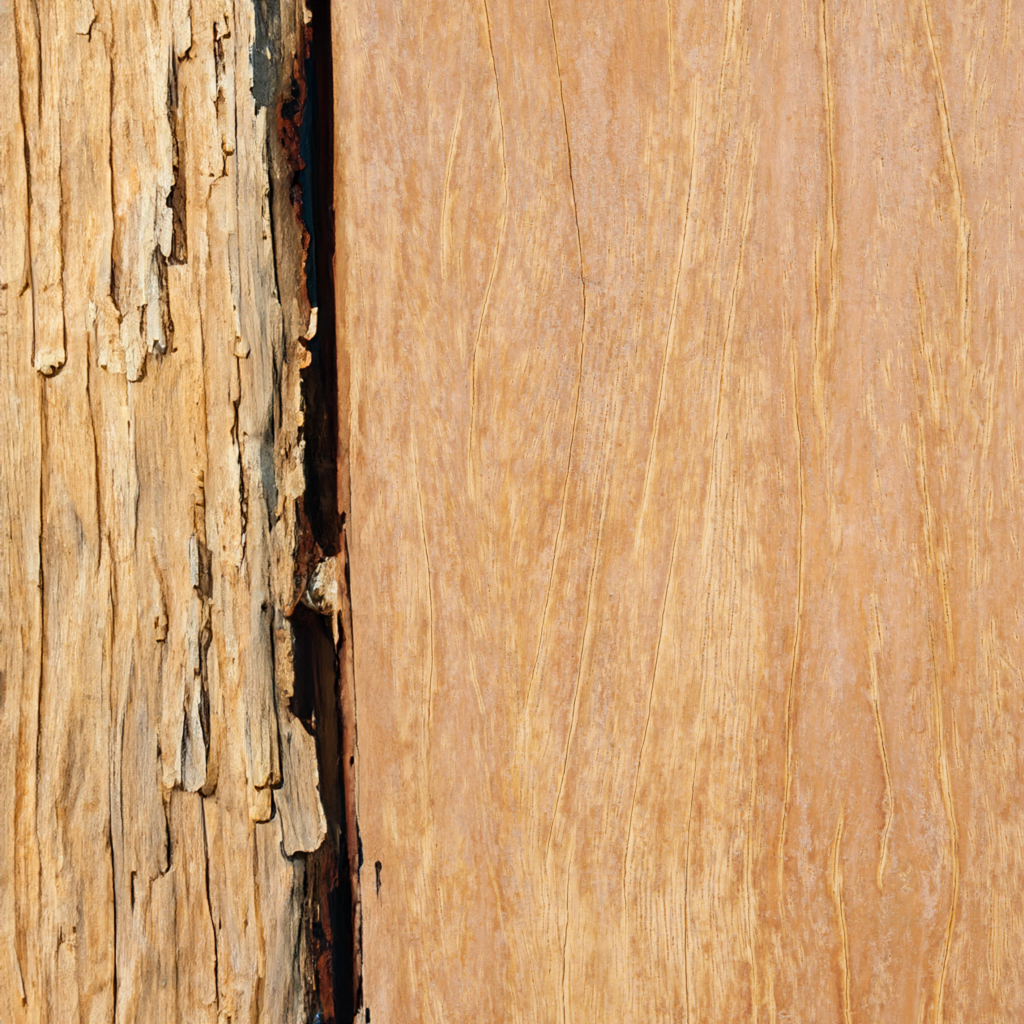
The swamp monster and the mummy know all about decay. And you’ve probably guessed there’s wet and dry decay. We’ve been talking about cement thus far, but there’s wood in that foundation.
We don’t usually think of wood as being part of the foundation, but the joists under your floor hold up your house just as much as the cement foundation. Joists and sill plates are located under your house, safe from the outside weather…unless it’s already inside the house! Aaaa!
The swamp monster and the mummy know all about decay. And you’ve probably guessed there’s wet and dry decay. We’ve been talking about cement thus far, but there’s wood in that foundation.
We don’t usually think of wood as being part of the foundation, but the joists under your floor hold up your house just as much as the cement foundation. Joists and sill plates are located under your house, safe from the outside weather…unless it’s already inside the house! Aaaa!
Wood Rot
If water consistently gets under your home, the humidity might be high enough to promote fungus. Fungus will break down the wood, rotting it away just like a log on the forest floor. Don’t let the swamp monster sneak into your home.
Dry Rot
Dry rot is also caused by fungus. “But if it’s dry, how do I stop it?” The specific fungus that causes dry rot needs moisture to get started. Once it gets started, it can create its own moisture. So even if you think you stopped the mummy, it gets back up and keeps coming. So if you do fix moisture problems in your home, you should check back annually to see if there’s dry rot.
The Fix?
It’s all about controlling where the water comes from and goes to. Most times, you can’t stop the water from getting in, but you can stop it from staying. A “waterproofing system” is usually a series of systems to funnel the water to a sump to be pumped out.
Bad Smells
No, we’re not talking about the bodies buried in your basement. Sometimes your house just stinks. You clean everything, but there’s still something musty. Living in Oregon and Washington, we’ve come to expect this smell from time to time because it’s just wet here. But what if some creature is lurking beneath your home?
Mold. Aaaaa!
No, we’re not talking about the bodies buried in your basement. Sometimes your house just stinks. You clean everything, but there’s still something musty. Living in Oregon and Washington, we’ve come to expect this smell from time to time because it’s just wet here. But what if some creature is lurking beneath your home?
The Fix?
Waterproof your crawl space. That’s a start, but it might not fix everything. Maybe the mold spores enter your crawl space through the vents and get pulled up into your home because of your HVAC. There is a solution: Crawl Space Encapsulation. After waterproofing, block up the vents, insulate the space, and seal it up with plastic. If it’s bad enough, you could install a dehumidifier to lower the humidity and an air purifier to remove the spores, dust, and whatever else is getting into the air.
Insurance, aaaa!
Sorry for the jump scare. Insurance is just scary on its own, but why bring it up at all? We were going to make this section about earthquakes, but the insurance part is scarier.
Fires, flooding, and structural damage; all of these things are usually covered by your homeowner’s insurance. Your mortgage company requires you to have homeowner’s insurance, but they don’t require earthquake insurance. If there is an earthquake, and a fire starts in your home, your homeowner’s insurance won’t cover it. The fire was caused by an earthquake, so you’re out of luck.
“So just get earthquake insurance,” you might say. If your home doesn’t have earthquake retrofitting, most companies won’t insure you, and the rest will hike up the price significantly.
Fires, flooding, and structural damage; all of these things are usually covered by your homeowner’s insurance. Your mortgage company requires you to have homeowner’s insurance, but they don’t require earthquake insurance. If there is an earthquake, and a fire starts in your home, your homeowner’s insurance won’t cover it. The fire was caused by an earthquake, so you’re out of luck.
“So just get earthquake insurance,” you might say. If your home doesn’t have earthquake retrofitting, most companies won’t insure you, and the rest will hike up the price significantly.
The Fix?
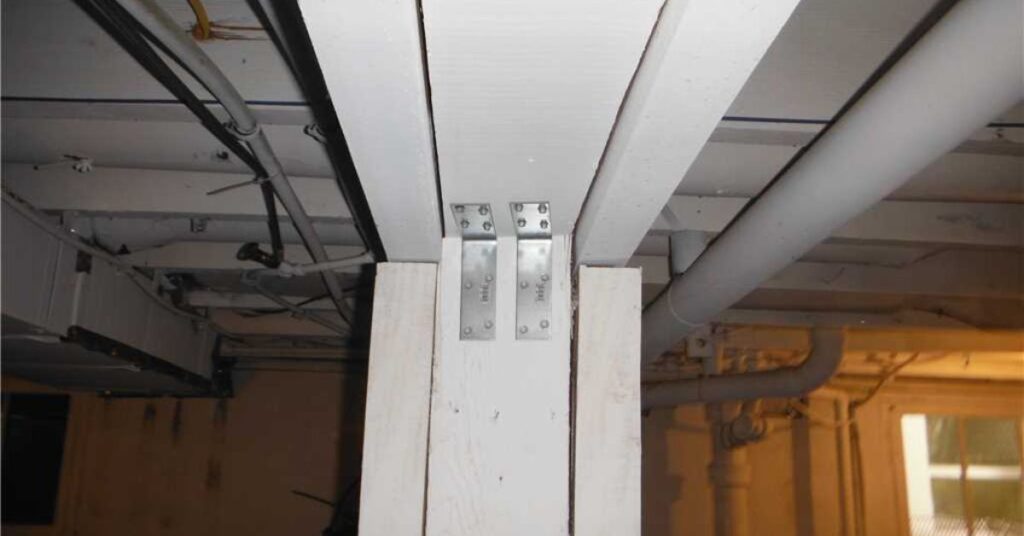
A lot of homes already have seismic fittings. If your home was built before 1994, it wasn’t built with earthquake protection. Seismic retrofitting involves tying your wooden structure down to the cement footing and a few other things. In the case of a smaller earthquake, it will keep your home from falling off its foundation. It won’t stop a really big earthquake, but now you’re able to get earthquake insurance to cover that.
Don’t be afraid of your home.
TerraFirma is not afraid of your home because we already know so much about it. We work and live in the Pacific Northwest, so we know our weather, soil conditions, and the peculiar quirks of NW homes. So if your home has you a bit on edge, who are you gonna call?



