
 Free Estimate
 Financing
 Commercial Solutions
 Maintenance
 Bill Pay

In this 2026 update, TerraFirma Foundation Systems’ waterproofing and foundation specialists clarify common misconceptions Oregon and Washington homeowners have about basement water leaks and foundation cracks. This guide reflects current waterproofing technologies, modern drainage systems, and decades of real-world experience diagnosing basement moisture issues in the Pacific Northwest.
Living in Oregon or Washington means living with rain, sometimes a lot of it. While the Pacific Northwest’s climate supports lush forests and green landscapes, it also creates serious challenges for homeowners with basements or crawl spaces. If you’ve noticed water pooling on your basement floor, damp walls, or cracks that seem to leak during heavy rain, you’re not alone.
At TerraFirma Foundation Systems, our specialists have spent decades diagnosing and repairing basement water leaks across the Pacific Northwest. In this guide, we’ll explain why basement cracks leak, how to determine whether a crack is water-related, and the most effective waterproofing solutions to permanently stop basement leaks.
Are Basement Cracks a Serious Water Problem?
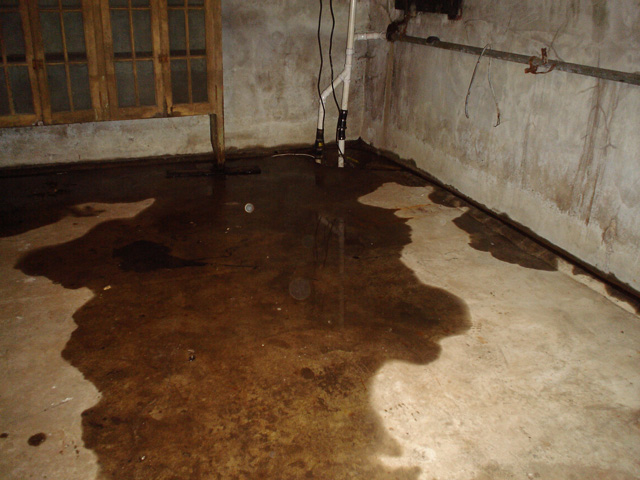
Yes, basement cracks are one of the most common entry points for water. However, not all cracks behave the same way. Some may remain dry for years, while others leak every time it rains.
Cracks become a problem when water pressure builds up in the soil around your foundation. Once the surrounding soil becomes saturated, that pressure forces water toward any weakness in the foundation, including cracks, joints, and porous concrete.
The Two Types of Pressure That Cause Basement Leaks
How Can I Tell If My Basement Crack Is Water-Related?
Homeowners often ask: “How do I know if a basement crack is causing my water problem?” Here are the most common signs that a crack is actively leaking or contributing to moisture issues:
- Water appears only during or after rain
- Damp or dark staining along a visible crack
- White, chalky residue (efflorescence) near cracks
- Musty odors or elevated humidity in the basement
- Puddles forming near wall-floor joints
If water intrusion seems seasonal or tied to rainfall, the issue is almost always related to external water pressure, not indoor plumbing.
Common Entry Points for Basement Water Leaks
Water doesn’t need a large opening to enter your basement. Even hairline cracks can allow moisture intrusion under pressure. The most common entry points include:
- Foundation wall cracks (vertical, diagonal, or stair-step)
- Floor cracks in poured concrete slabs
- Wall-to-floor joints (the most frequent leak location)
- Mortar joints in block or masonry foundations
- Porous concrete walls that absorb moisture over time
Understanding where water enters is critical to choosing the right repair solution.
Are There Effective Waterproofing Solutions for Basement Cracks?
Yes, but the solution must address both the crack and the water pressure causing the leak. Simply sealing a crack without controlling water pressure often leads to recurring problems.

Why Exterior Fixes Alone Often Fail
The Best Methods to Repair Basement Cracks and Prevent Leaks
1. Interior Drainage Systems (Most Reliable Solution)
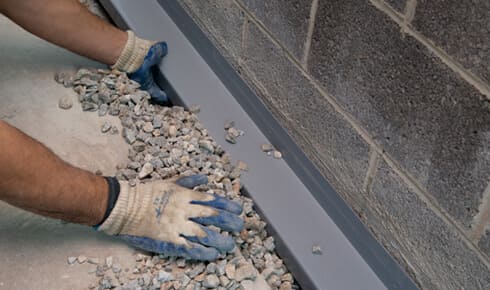
The most effective long-term solution for basement water leaks is an interior waterproofing system. These systems are designed to manage water pressure rather than fight it.
At TerraFirma, we install interior drainage along the wall-floor joint, where most basement leaks occur. This system captures water entering through cracks, walls, or joints and directs it to a sump pump, which safely removes water from the home.
Key benefits:
- Relieves hydrostatic pressure
- Works regardless of soil type or rainfall volume
- Minimal exterior disruption
- Proven performance in Pacific Northwest conditions
Our WaterGuard® drainage system uses a patented design that resists clogging from soil and debris, one of the biggest failures of traditional French drains.
2. Crack Repair (As a Targeted Solution)
For isolated cracks, professional crack repair using epoxy or polyurethane injection can be effective, especially when paired with drainage improvements.
However, crack injection alone is rarely enough if water pressure is not controlled.
3. Exterior Water Management (Important Support System)
While interior waterproofing is the backbone of leak prevention, exterior improvements help reduce how much water reaches your foundation.
Recommended exterior steps:
- Clean and maintain gutters
- Extend downspouts at least 6-10 feet away
- Improve soil grading so water slopes away from the home
- Address surface pooling near the foundation
These steps reduce soil saturation and support long-term foundation health.
Why Experience Matters in Basement Waterproofing
Every home is different. Soil composition, foundation type, age of construction, and rainfall patterns all affect how water behaves around your home.
When Should You Call a Professional?
If you’re seeing recurring leaks, cracks that worsen over time, or signs of moisture damage, it’s time for a professional evaluation. Basement water problems almost always get worse, not better, when left untreated.
Early intervention can:
- Prevent structural damage
- Reduce mold risk
- Protect indoor air quality
- Preserve your home’s value
TerraFirma Foundation Systems has helped thousands of homeowners across Oregon and Washington protect their homes from water damage. Our experienced specialists understand local soils, rainfall patterns, and foundation types, and we design solutions that work in real Pacific Northwest conditions.
Schedule your free basement or crawl space evaluation today and get clear answers, expert recommendations, and lasting peace of mind, before the next storm hits.