
 Free Estimate
 Financing
 Commercial Solutions
 Maintenance
 Bill Pay
Let’s break down the different types of foundation cracks and what they mean for your home.
By understanding how cracks form, and how to tell the difference between cosmetic and structural issues, you can take the right steps to protect your home’s stability.
Foundation cracks are one of the most common concerns homeowners face. While some cracks are harmless and part of normal settling, others can indicate more serious structural issues.
Understanding the difference is key to protecting your home and avoiding unnecessary repairs—or worse, ignoring a problem that could worsen over time.
If you’ve noticed cracks in your walls or foundation, it’s important to act early. Contact TerraFirma today to schedule an assessment and determine whether your home needs repair.
What Causes Foundation Cracks?
Foundation cracks don’t happen randomly. They’re usually the result of changes in the soil or environment around your home.
One of the most common causes is shifting soil beneath the foundation. As soil compacts or moves over time, it can cause the foundation to settle unevenly, leading to cracks.
Water plays a major role in foundation damage. When soil becomes saturated, it expands and puts pressure on foundation walls. A force known as hydrostatic pressure.
Water pooling around your home due to improper drainage can weaken the soil and create voids beneath the foundation.
In newer homes, small cracks can appear as concrete cures and naturally shrink. These are often harmless.
What Types Of Foundation Cracks Should You Watch For?
Not all cracks are created equal. The direction, size, and location of a crack can tell you a lot about what’s happening beneath your home.
Vertical Cracks
Vertical cracks run straight up and down and are among the most common.
- Often caused by normal settling
- Usually less serious if small
- Should be monitored for growth
In many cases, vertical cracks are cosmetic unless they widen or allow water intrusion.
Diagonal Cracks
Diagonal cracks typically appear at an angle, often starting at corners.
- Caused by uneven settlement
- May indicate shifting soil
- Can worsen over time if not addressed
These cracks are common but should be evaluated if they grow or widen.
Horizontal Cracks
Horizontal cracks are the most serious type.
- Caused by pressure from soil and water
- Often indicate structural stress
- Can lead to wall failure if ignored
These cracks are typically linked to hydrostatic pressure and should be inspected immediately.


When Are Foundation Cracks a Serious Structural Problem?
Because cracks grow so slowly, it’s easy to feel like the problem isn’t getting any worse, and it’s understandable that you’d want to ignore the problem completely. But, even if you can’t see the cracks growing in real time, your home’s foundation is still suffering, and eventually, the foundation will likely fail, which will then leave you with an unfortunate and expensive situation. It will never be cheaper to fix your foundation than it is today.
A professional assessment can help determine what type of crack you’re dealing with and whether it requires repair. Schedule a foundation assessment.
When concrete is poured into building your foundation walls, the concrete can crack while it cures and shrinks. Those hairline cracks are typically short and vertical and aren’t a sign of structural weakness.
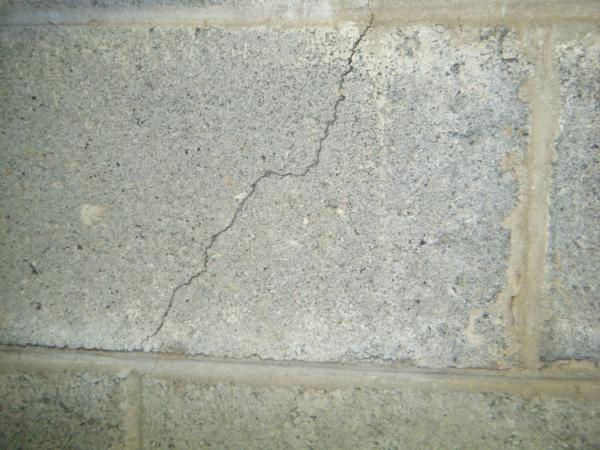
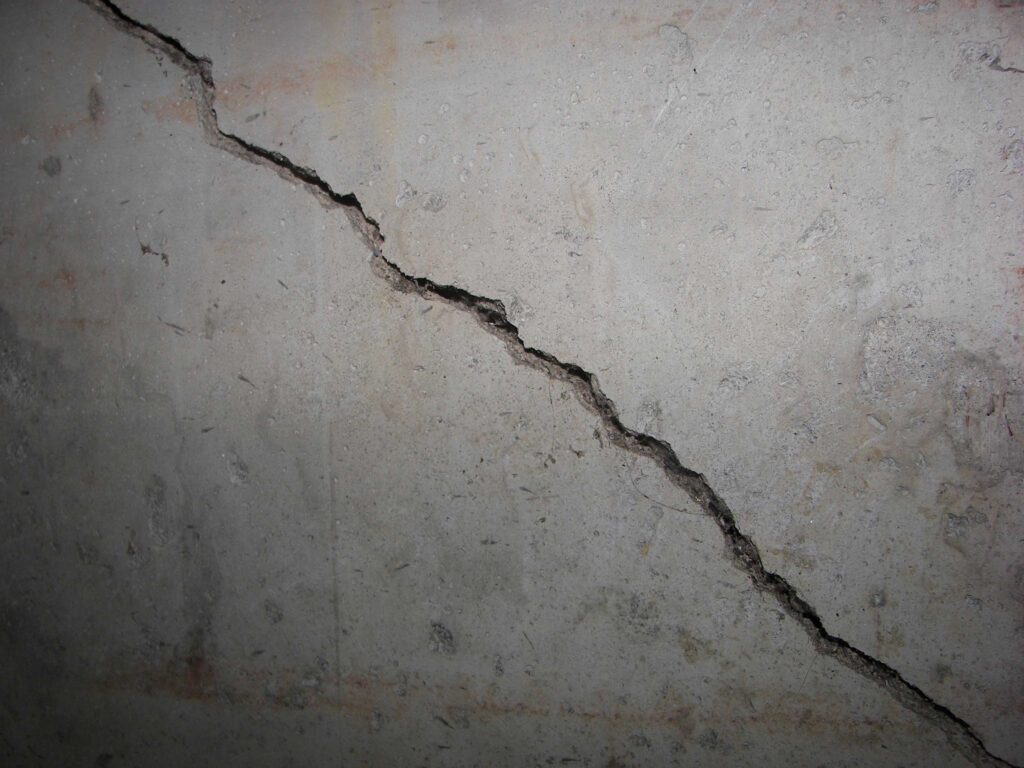
Diagonal cracks usually occur at the upper corners of a basement wall. These cracks generally happen if the foundation wall is suffering from immense stress from the outside that is pushing the wall inward.
These cracks could be indicating that your home’s foundation could be settling. Fortunately, if the damage is noticed early enough, there’s a likelihood that the foundation can be re-stabilized.
Just like poured walls, block foundation walls with cracks usually indicate that your foundation is under a lot of stress. However, unlike poured walls, block walls will bow in as the mortar joints break and produce horizontal cracks in the middle of the wall.
Why Do Foundation Cracks Often Get Worse Over Time?
While some cracks are harmless, others require immediate attention.
Signs a Crack May Be Serious
- Wider than 1/8 to 1/4 inch
- Growing over time
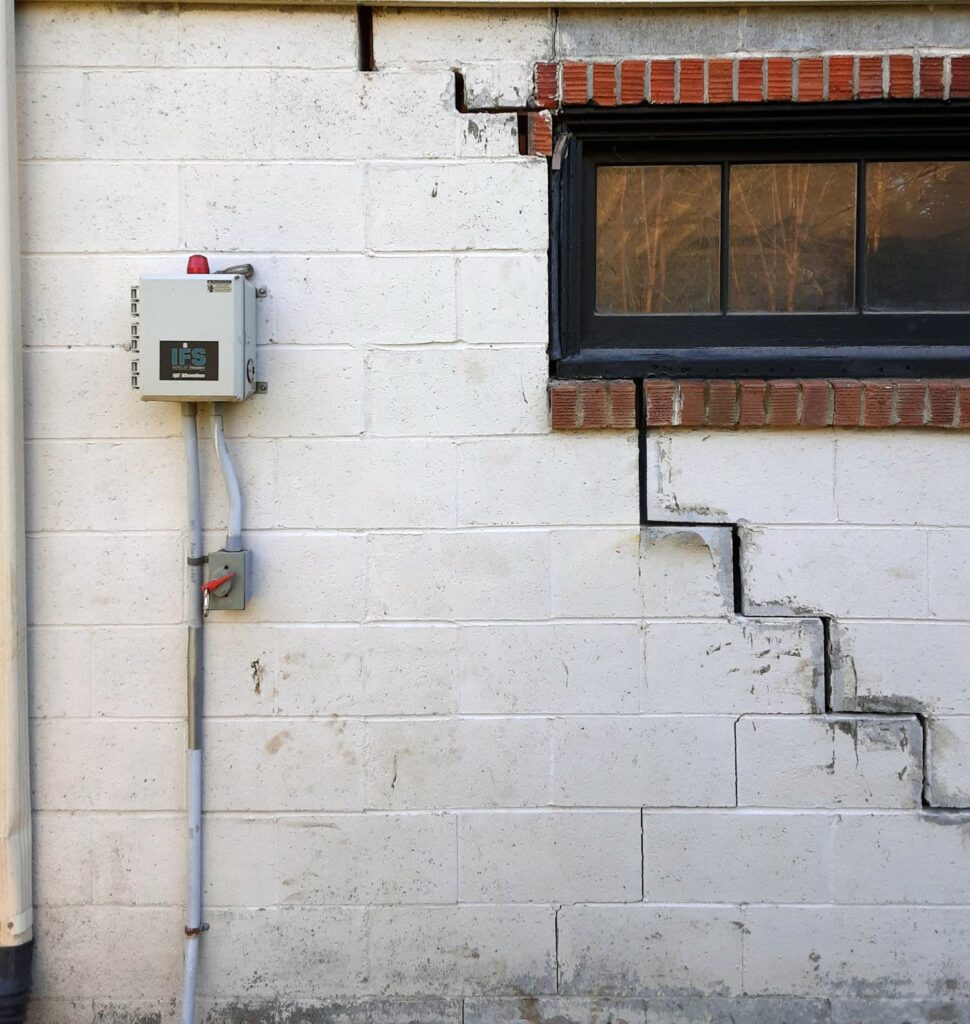
- Horizontal or stair-step pattern
- Accompanied by bowing walls
- Letting in water or moisture
Cracks that change or worsen are often a sign of ongoing structural movement.
Schedule a foundation assessment with a TerraFirma Foundation Systems specialist today. We serve homeowners throughout Oregon and Washington and provide clear, engineered solutions you can trust.