
 Free Estimate
 Financing
 Commercial Solutions
 Maintenance
 Bill Pay
How our Basement Drainage System Helps Manage Iron Ochre
Orange Slime in Your Basement? an basement drainage system Can Help
Orange slime around your sump pump is more than an unpleasant mess. It may be iron ochre, a sticky buildup that can collect inside basement drains, cover sump pump components, and gradually restrict water flow.
The Basement Drainage Iron Ochre System provides an accessible drainage solution for homes with recurring iron ochre. Its serviceable design makes inspecting, flushing, and cleaning the system easier, helping water continue moving safely away from the basement.
what is iron ochre?
Iron ochre is a reddish-orange or brown, slime-like material that can form when iron in groundwater interacts with oxygen and naturally occurring microorganisms in the soil.
As groundwater moves toward a home’s foundation, it can carry this material into the basement drainage system. Iron ochre is commonly found around:
- Sump pump pits and equipment
- Interior basement drains
- Drainage and discharge pipes
- Basement floors and walls
- Areas where groundwater collects
Iron ochre is generally a drainage and maintenance problem rather than a direct health threat. However, unusual water or odors involving a private well should be evaluated by a qualified water-testing professional.
Warning Signs of Iron Ochre
The clearest warning sign is an orange or reddish-brown substance around the basement drainage system. It may appear watery at first or become thick enough to cover pumps and other components.
Homeowners may notice:
- Orange water being discharged outside
- Orange or reddish-brown water in the sump pit
- Thick slime around the sump pump or float switch
- Rust-colored stains near drains or discharge points
- A swampy, oily, or musty odor
- Slow drainage or recurring clogs
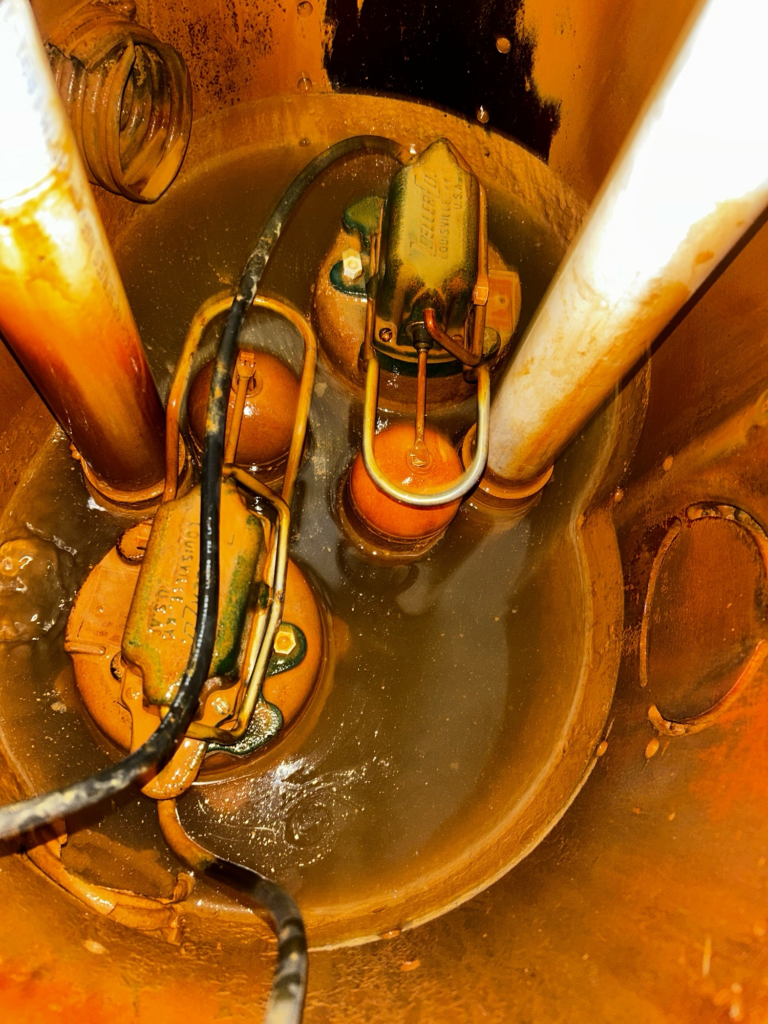
Orange buildup around the sump pump is one of the most visible signs of iron ochre.
How Iron Ochre Affects Drains and Sump Pumps
A basement drainage system collects groundwater and directs it toward the sump pump. The pump then moves the water safely away from the foundation.
Iron ochre can interrupt this process by sticking to drainage channels, pipes, pumps, and moving components. As the material accumulates, it can restrict water flow and make the system more difficult to maintain.
Heavy buildup may affect:
- Drainage channels and openings
- Pump housings and float switches
- Check valves
- Discharge pipes
- Other sump pump components
If these components cannot work correctly, water may remain near the foundation or enter the basement. This can increase the risk of moisture, odors, water damage, or flooding.

Heavy iron ochre buildup can restrict drainage and interfere with sump pump components.
How OUR basement drainage system Helps
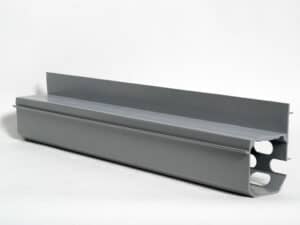
Our Basement Drainage System is a specialized version of the basement drainage system designed for properties with recurring iron ochre buildup.
The system is installed along the inside perimeter of the basement, where it collects groundwater and directs it to a professionally installed sump pump.
Our Basement Drainage System can include:
- Larger openings for water containing iron ochre
- An accessible drainage channel
- Removable sections for inspection and cleaning
- A flushable design that supports maintenance
- A connection to the home’s sump pump system



Why Regular Maintenance is necessary
Iron ochre may return because the groundwater and soil conditions around the home have not changed. Regular maintenance helps prevent buildup from restricting water flow or interfering with the sump pump.
- During a professional maintenance visit, a technician may:
- Confirm that water can move through the system
- Inspect the drainage channel and sump pit
- Remove accessible iron ochre buildup
- Flush appropriate sections of the system
- Test the pump and float switches
- Inspect check valves and discharge lines
Do not pour household chemicals into a sump pit or drainage system without professional guidance. Some products may damage pumps, seals, drainage components, or discharge pipes.
If you notice recurring orange slime, slow drainage, rust-colored discharge water, or a sump pump that is no longer removing water effectively, a professional inspection can determine whether the system needs cleaning, maintenance, or a more accessible drainage solution.
Avoid Pouring Chemicals Into the System
A basement drainage system collects groundwater and directs it toward the sump pump. The pump then moves the water safely away from the foundation.
Iron ochre can interrupt this process by sticking to drainage channels, pipes, pumps, and moving components. As the material accumulates, it can restrict water flow and make the system more difficult to maintain.
Heavy buildup may affect:
- Drainage channels and openings
- Pump housings and float switches
- Check valves
- Discharge pipes
- Other sump pump components
If these components cannot work correctly, water may remain near the foundation or enter the basement. This can increase the risk of moisture, odors, water damage, or flooding.
Heavy iron ochre buildup can restrict drainage and interfere with sump pump components.
Drain System
If there is water leaking into your basement, a perimeter drain could be the right option for you. At TerraFirma, we offer a variety of interior drainage systems to help keep your basement dry and clean.

Below Floor Drain
Our most popular drainage system, the ideal solution for most basement waterproofing applications. This interior drain is designed to be installed below the floor slab, resting on top of the foundation footing.
Advantages
- Installed with minimal invasion of the slab, and all concrete is restored after installation.
- Includes a wall flange with a 3/8″ opening to collect water from walls.
- Able to waterproof concrete block foundation walls.
- Water is collected without the risk of clogs that would halt your system.
Iron Ochre Drain Tile System
Specifically designed for basements affected by iron ochre and iron bacteria. Its wide, accessible drainage channel helps manage the thick, rust-colored buildup that can clog conventional basement drainage systems.
Advantages
- Wide drainage channel designed to manage iron ochre buildup.
- Large, clog-resistant drain openings maintain dependable water flow.
- Removable lid provides convenient access for routine cleaning, flushing, and maintenance.
- Wall flange collects water entering through or running down basement walls.
Baseboard Drain Pipe
If your house has a monolithic foundation, or a foundation that comes with the floor and footing as one piece, jackhammering to install a drain system can be very difficult. In those cases, we use our basebord floor drain system to avoid any problems. This system installs over the top of the floor, eliminating the need for excessive excavation.
Providing the same protection and drainage for water seeping through foundation walls while also providing the clean, finished appearance of a baseboard. The drain is secured to the floor with only a slight opening at the top, allowing water to flow in and drain to your sump pump.
Thin Floor Drain System
Sometimes the concrete floor in a basement is too thin for a drain to be installed on top of the footer. We usually address this challenge with our Thin Floor System. This system is designed to sit in front of the footing in a bed of drainage stone.
Advantages
- Quick installation and seamless finish. After installation, the concrete floor is restored over the drain.
- Includes a wall flange with a 3/8″ opening to collect water from walls.
- This system avoids the “mud zone” to help prevent clogging issues.
Drain Inserts
Drain interts can be installed in an existing trench drain to allow water down without allowing air to come up. The system comes with balls that fit over the drainage holes, creating an airtight seal when there is no water.
Advantages
- Designed to block unwanted ground air and gases from entering the basement and home.
- Easy installation.
Crawl Space Vapor Barrier
Our heavy duty vapor barrier is a 100% waterproof, 120-mil-thick plastic liner that is ideal for unfinished crawl spaces, helping prevent leaks and mold growth. This crawl space liner creates a clean, dry, sanitary, and usable area. With correct installation, it can help insulate your crawl space and reduce energy costs.
Advantages
- Greatly reduces musty smells with an EVOH layer that seals out odors.
- Reduces allergens such as mold and dust mites, improving indoor air quality throughout the home.
- Seals out soil gases while eliminating excessive, destructive moisture that could lead to wood rot.
Basement Waterproofing Homeowner Questions
Which vapor barrier is best for weeping walls?
The Vapor Barrier is better for weeping walls than other commonly used vapor barriers. The VLE system has double sealed seams, waterproof material (not water-resistant), and is much thicker than vapor barriers available at retail stores.
Basement waterproofing: interior vs exterior – which is better?
Interior waterproofing generally provides the most serviceable, comprehensive, and longest lasting solution.
Will a wet basement pass inspection?
Home inspectors cannot pass or fail a home, but only call out defects and make suggestions to consult a qualified contractor.
How long does basement waterproofing last?
TerraFirma-installed waterproofing systems are expected to last decades with regular care & maintenance. We also warranty our installations, our Basement and Perimeter drainage systems come with a transferrable lifetime warranty. Terms apply, view the details here. We stand by our work and the quality of the systems we install.
Should I consider a vapor barrier if I’m not planning to finish my basement?
Even if you’re not planning on finishing your basement at this time, our wall panels can create a cleaner, brighter appearance while insulating and waterproofing your basement walls.
Protect Your Basement
Concerned About Iron Ochre in Your Basement?
Orange slime, slow drainage, or buildup around your sump pump may signal an iron ochre problem. TerraFirma can inspect your basement and recommend a drainage solution designed for your home’s conditions.
Schedule a Free EvaluationRelated Post
Waterproofing System: How Long Will It Protect Your Basement?

Cold floors? It Might Be a Problem With Your Crawl Space
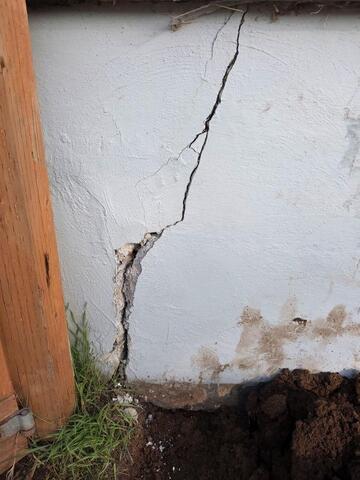
3 Common Signs of a Foundation Problem

How To Prevent Water From Getting Into Your Basement

7 Signs Your Basement is Leaking

Reducing High Electric Bills: The Importance of Insulating and Encapsulating Your Crawl Space