
 Free Estimate
 Financing
 Commercial Solutions
 Maintenance
 Bill Pay

The foundation of your home supports everything above it, literally. When foundation problems develop, they rarely stay isolated. Cracks spread, floors shift, doors stick, and small warning signs can quietly turn into expensive structural repairs if they’re ignored.
Homeowners in Seattle and across Washington and Oregon face unique foundation challenges due to heavy rainfall, clay-rich soils, seismic activity, and aging construction. At TerraFirma Foundation Systems, our specialists inspect and repair foundations every day throughout the Pacific Northwest, and many of the issues we see follow predictable patterns.
Common Signs of Foundation Problems in Houses
Many homeowners ask, “How can I tell if my home has foundation issues?” The truth is that foundation damage often reveals itself gradually through visible symptoms inside and outside the home.
The most common warning signs include:
- Bowing or leaning basement walls
- Cracks in drywall, especially around doors and windows
- Doors or windows that stick, jam, or won’t close properly
- Uneven or sloping floors
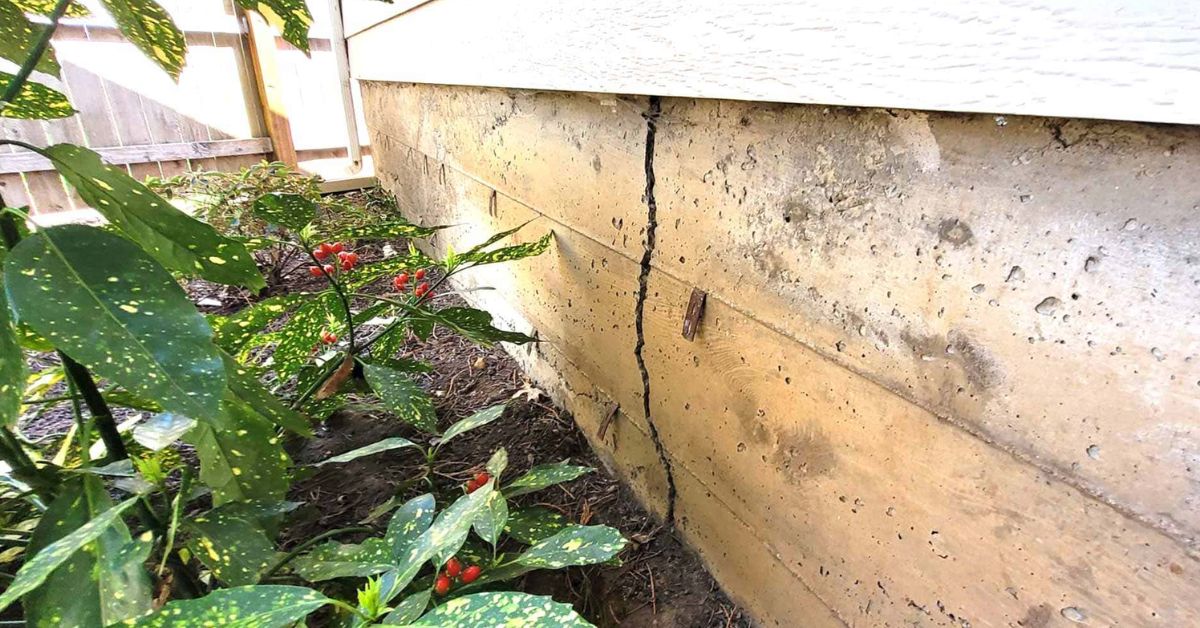
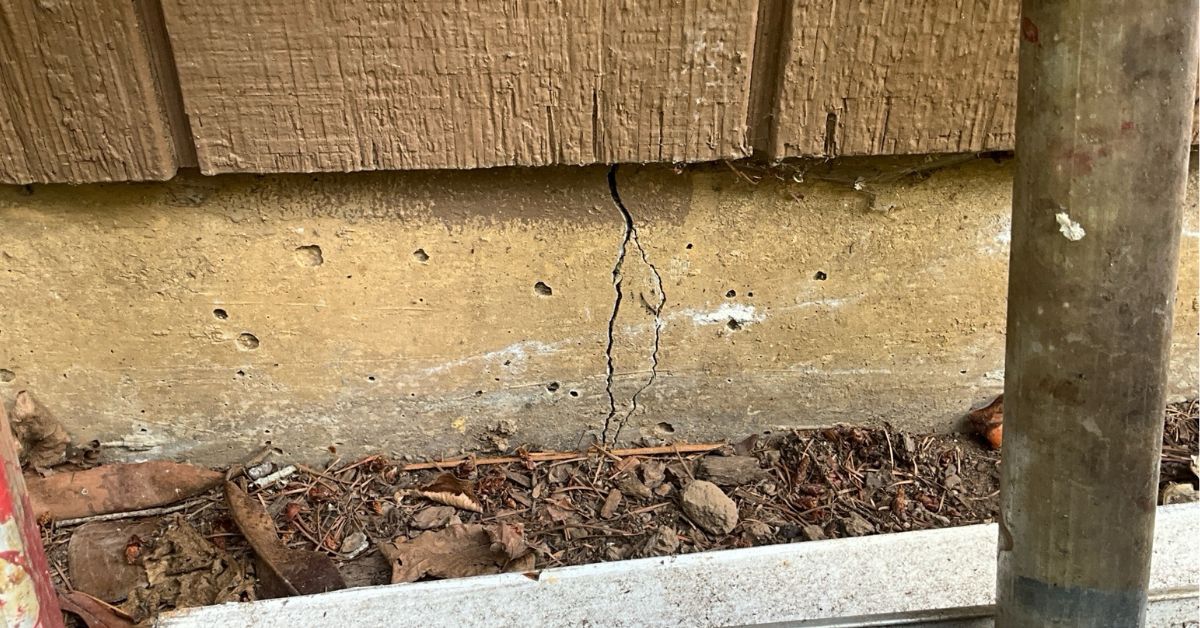
- Cracks in exterior brick, concrete, or siding
- Gaps between walls and ceilings
Are cracked tiles a foundation problem?
Yes, cracked tile floors are often a sign of foundation movement. When a foundation settles unevenly, it places stress on rigid flooring materials like tile. If cracks appear without obvious impact damage, foundation shifting is a likely cause and should be professionally evaluated.
How to Identify Severe Foundation Issues
Some foundation problems are cosmetic, while others threaten the structural integrity of your home. Severe foundation issues typically involve movement, not just surface cracking.
Signs of more serious foundation damage include:
- Horizontal cracks in basement walls
- Walls that are visibly bowing or leaning inward
- Rapidly growing cracks
- Floors that noticeably slope from one side of a room to the other
- Water intrusion through foundation cracks
If multiple symptoms appear together or worsen over time, it’s important to have a foundation specialist assess the situation. Early intervention almost always reduces repair costs and prevents further damage.
Why Seattle Homes Are Prone to Foundation Problems
1. Heavy Rainfall and Poor Drainage
Seattle receives over 37 inches of rain annually. Excess water saturates soil around foundations, reducing its load-bearing capacity. Over time, this can cause foundations to settle, sink, or shift.
Water also increases hydrostatic pressure against basement walls, which can lead to cracks, leaks, and wall movement. Without proper drainage systems, even well-built foundations are vulnerable.
2. Clay-Rich Soil
Much of the Seattle region contains expansive clay soil. Clay expands when wet and shrinks when dry, creating repeated cycles of movement beneath the foundation.
This expansion and contraction is one of the leading causes of:
- Foundation settling
- Wall cracking
- Uneven floors
Managing soil moisture through proper drainage and grading is critical in clay-heavy areas.
3. Seasonal Moisture Fluctuations
While Seattle is known for rain, summers can be surprisingly dry. These seasonal swings intensify soil movement, especially in clay-rich areas.
As soil dries, it can pull away from the foundation, creating voids. When rain returns, the soil swells unevenly, placing stress on the structure above.
4. Plumbing Leaks
Hidden plumbing leaks, especially under slabs or within basement walls, can wash away supporting soil. Even small leaks, if left undetected, can cause significant foundation settlement over time.
In colder months, frozen or damaged pipes can worsen this issue by introducing excess moisture into already saturated soil.
5. Earthquake Activity
Seattle sits near the Cascadia Subduction Zone, making seismic activity a real risk. Even small earthquakes can shift soil and weaken foundations, particularly in homes built before modern seismic standards.
Older foundations often lack the reinforcement needed to resist lateral movement during seismic events.
6. Aging or Outdated Construction
Many Seattle homes were built decades before current building codes existed. Older foundations may lack:
- Proper reinforcement
- Modern drainage systems
- Adequate waterproofing
These limitations make them more vulnerable to today’s environmental stresses.
What Are the Best Ways to Repair Foundation Damage?
The best foundation repair method depends on the type, cause, and severity of the problem. At TerraFirma Foundation Systems, repairs are engineered—not one-size-fits-all.
Common foundation repair solutions include:
Foundation Piers
Used to stabilize and lift settling foundations by transferring the load to stable soil or bedrock.
Wall Stabilization Systems
Carbon fiber straps or steel braces are used to reinforce bowing or cracked foundation walls.
Drainage & Waterproofing Systems
Interior drains, sump pumps, and exterior drainage systems relieve hydrostatic pressure and prevent water intrusion.
Soil Stabilization & Moisture Control
Improving drainage and controlling soil moisture helps prevent future movement.
Seismic Retrofitting
Strengthens older foundations to better withstand earthquakes.
In the Pacific Northwest, foundation problems are rarely caused by just one factor. Effective repairs address both the structural damage and the underlying soil and water conditions that caused it.
Why Expert Evaluation Matters
Foundation issues are complex, and misdiagnosing the problem can lead to ineffective or unnecessary repairs. That’s why working with experienced foundation specialists, especially those familiar with Seattle’s soil and climate, is essential.
TerraFirma Foundation Systems has decades of experience serving homeowners across Oregon and Washington. Our specialists evaluate the entire system: soil conditions, drainage, structural integrity, and long-term performance.
Schedule a Professional Foundation Inspection
If you’re noticing cracks, uneven floors, or other warning signs, don’t guess. A professional evaluation can identify whether the issue is cosmetic or structural—and what it will take to fix it correctly.
Schedule a foundation inspection with a TerraFirma Foundation Systems specialist today.
We serve homeowners throughout Oregon and Washington and provide clear, engineered solutions you can trust.