
 Free Estimate
 Financing
 Commercial Solutions
 Maintenance
 Bill Pay

Let’s take a closer look at earthquake risks in Eugene, OR, and how modern retrofitting solutions help protect homes from structural damage.
Understanding how seismic forces impact your home—and how reinforcement systems improve stability—is essential to protecting your property, safety, and long-term value.
Earthquakes may not happen every day in Oregon, but the risk is real, and for homeowners in Eugene, preparation matters. A major seismic event can place extreme stress on a home’s structure, especially if it was built before modern reinforcement standards became common.
Earthquake retrofitting is designed to strengthen vulnerable parts of a home so they perform better during ground shaking. By improving the connection between the structure and its foundation, retrofitting helps reduce the risk of sliding, shifting, or serious structural damage during an earthquake.
For homeowners in Eugene, OR, seismic retrofitting is one of the most practical steps you can take to improve long-term safety and protect your investment.
If you own an older home or have concerns about seismic safety, Contact TerraFirma today to schedule an assessment and find out whether earthquake retrofitting is the right solution for your property.
Why Earthquake Retrofitting Matters For Homes In Eugene, OR
Eugene sits within a region affected by seismic activity tied to the Cascadia Subduction Zone and other faults in the Pacific Northwest. While many people associate earthquake damage with coastal cities or places like California, homes in inland Oregon can also experience significant structural movement during a major event.
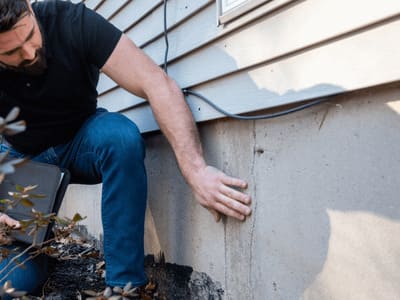

What Homes In Eugene Are Most Likely To Need Earthquake Retrofitting?
Not every home has the same level of seismic vulnerability. Some structures are naturally more at risk due to age, design, or how they were built.
Older homes are often the most common candidates for retrofitting because they may not be properly anchored to their foundation. In some cases, the framing of the home is simply resting on the foundation or connected with outdated methods that are less effective during ground movement.
Homes with crawl spaces can also be vulnerable, particularly if they have cripple walls—short framed walls between the foundation and the first floor. These areas are often weak points during an earthquake and may need reinforcement to prevent collapse or major shifting.
Even homes that appear stable under normal conditions may still benefit from a seismic assessment. Earthquake retrofitting is about identifying hidden vulnerabilities and strengthening them before a seismic event puts the structure to the test.
A professional seismic assessment can help determine whether your home has weak points that should be reinforced before an earthquake causes expensive structural damage.
What Is the Retrofitting Process Like?
The process starts with a detailed assessment by a structural engineer or foundation specialist. They’ll evaluate your home’s foundation, framing, and weak points, then create a retrofit plan tailored to your property’s needs.
Technicians drill and install anchor bolts to securely connect the home’s framing to its concrete foundation. This prevents lateral movement and helps the structure stay grounded during seismic shaking.
Strategically placed shear walls made of plywood or engineered wood panels increase lateral stability. These reinforcements help distribute forces and reduce the risk of wall collapse.
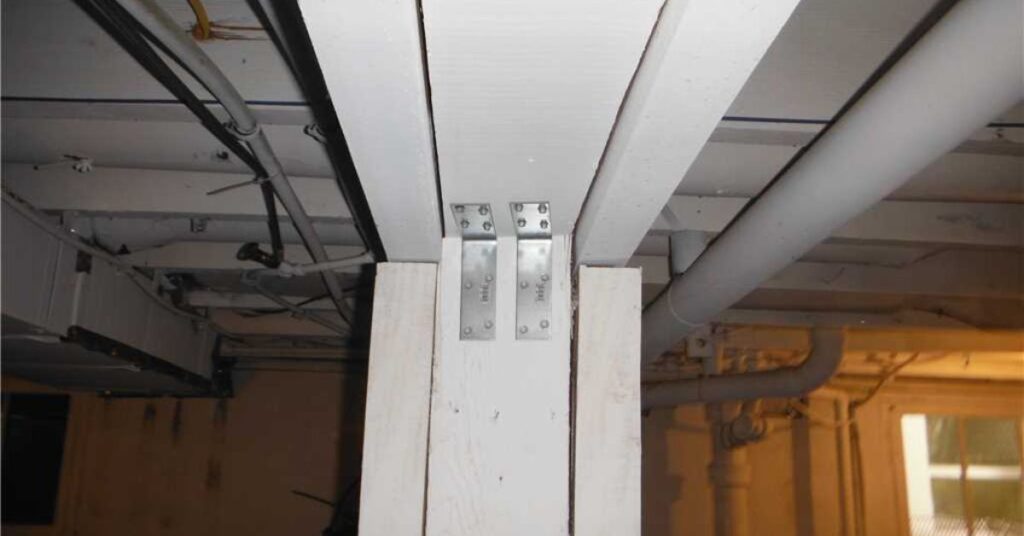
Steel braces, straps, and connectors are installed at critical junctions such as walls, floors, and roofs. These additions strengthen the home’s overall framework and ensure consistent load distribution.
Technicians will anchor heavy appliances, secure water heaters, and add protective measures for gas lines and meters to prevent leaks or fire hazards after an earthquake.
During retrofitting, technicians may notice substantial foundation damage that needs immediate repair. Adding crawl space support posts and foundation piers, and stabilizing the walls are some of the ways TerraFirma can reinforce your foundation.
How To Choose An Earthquake Retrofitting Contractor In Eugene, OR
Choosing the right contractor is an important part of making sure seismic improvements are done correctly.
Homeowners should look for a company that understands structural systems, foundation performance, and the specific conditions affecting homes in Oregon. Earthquake retrofitting is not just about adding hardware—it requires a clear understanding of where a home is vulnerable and how the structural components work together.
A quality contractor should provide a thorough assessment, explain the areas of concern clearly, and outline a retrofit plan that makes sense for the home’s age and construction type.
It’s also helpful to choose a company with experience in foundation and structural work, since seismic retrofitting often involves areas like crawl spaces, sill plates, and foundation connections.
It’s also helpful to choose a company with experience in foundation and structural work, since seismic retrofitting often involves areas like crawl spaces, sill plates, and foundation connections.
Take Action Before the Next Quake
Eugene’s proximity to the Cascadia Subduction Zone makes earthquake preparedness essential, not optional. We will conduct every step of earthquake retrofitting and offer additional services such as basement waterproofing, crawl space encapsulation, concrete leveling, and foundation stabilization.
Contact TerraFirma’s Foundation Systems specialists to schedule a free estimation or give us a call with any questions. We’re here to support you through every step of the retrofitting process.



